Panditarama Sydney Meditation Centre (PSMC) is a registered not-for-profit religious charity. Donations made to PSMC support our charitable, religious, and community activities and are treated with care and transparency.
This policy explains the circumstances under which donations may or may not be refunded.
All donations made to PSMC are voluntary and non-refundable, except where required by Australian law or in the event of a genuine administrative error by PSMC.
By making a donation, donors acknowledge and agree to this policy.
PSMC does not provide refunds for donations where a donor:
Once a donation has been received, it is immediately applied to PSMC’s charitable purposes and operational needs.
Refunds may be considered only in limited circumstances, such as:
Any request for review must be made in writing within 7 days of the transaction and will be assessed at PSMC’s discretion.
For donations made from outside Australia:
Any shortfall resulting from currency conversion or transaction fees is borne by the donor.
Where third-party payment providers or banks apply transaction or processing fees:
Donors are responsible for determining whether their donation is tax-deductible in their own country or jurisdiction.
PSMC cannot provide tax advice for overseas donors.
If you believe there has been a genuine error in processing your donation, please contact us promptly:
Panditarama Sydney Meditation Centr
All enquiries will be handled respectfully and confidentially.
This policy is designed to ensure fairness, transparency, and responsible stewardship of donated funds in accordance with PSMC’s charitable objectives.
We greatly appreciate and welcome your kind generosity to help support the continuous development of the centre.
© 2026 PSMC. All rights reserved.


For the next 45 years, the Buddha travelled widely across northern India, sharing his teachings with anyone eager to learn—monks, nuns, farmers, royalty, merchants, and people from all walks of life. His teachings emphasised wisdom, moral conduct, mindfulness, compassion, and the potential for every being to awaken.
He established monastic communities, guided thousands of followers, and offered practical teachings that continue to resonate today. The Buddha taught in a simple and accessible manner, focusing on understanding the mind, cultivating virtue, and realising inner peace.
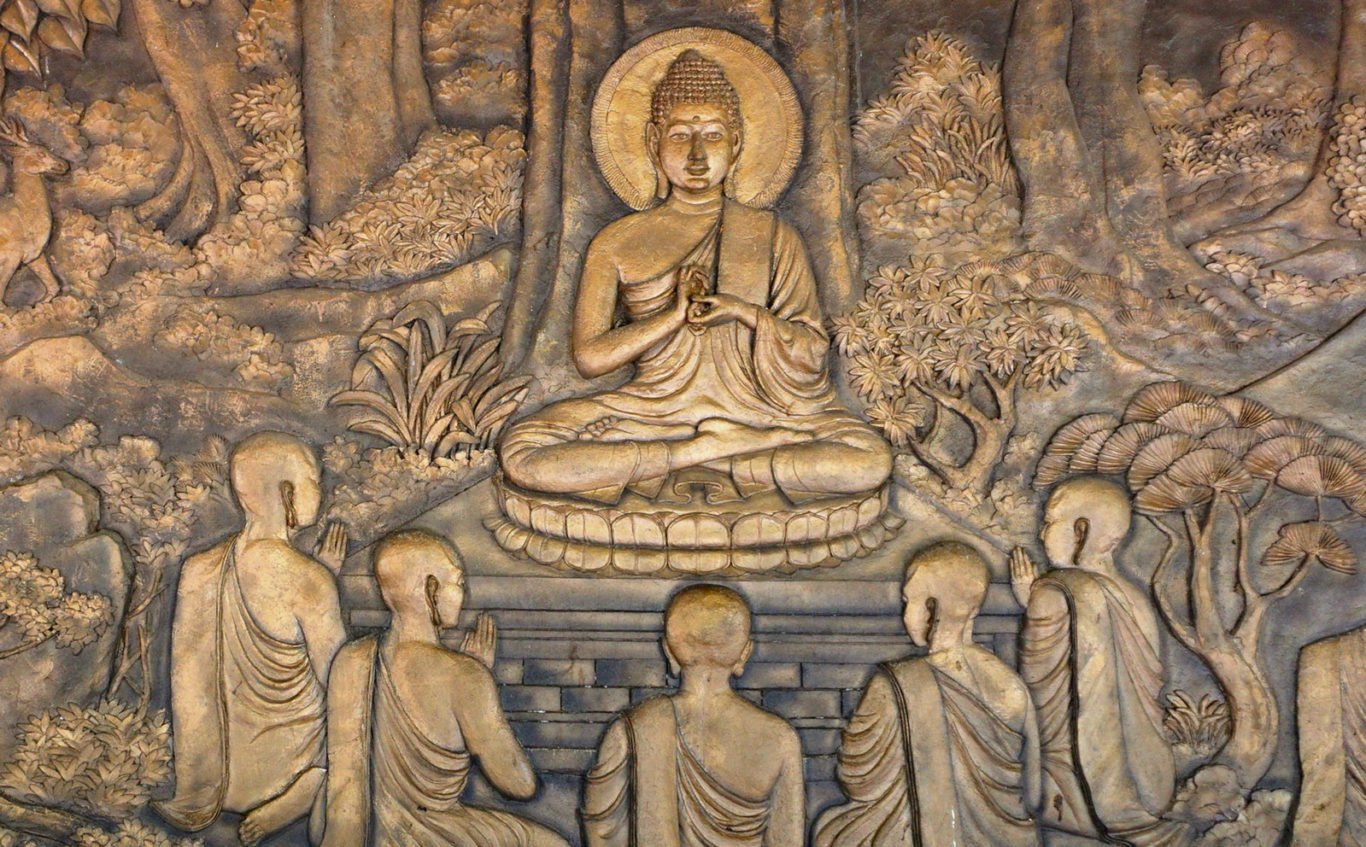
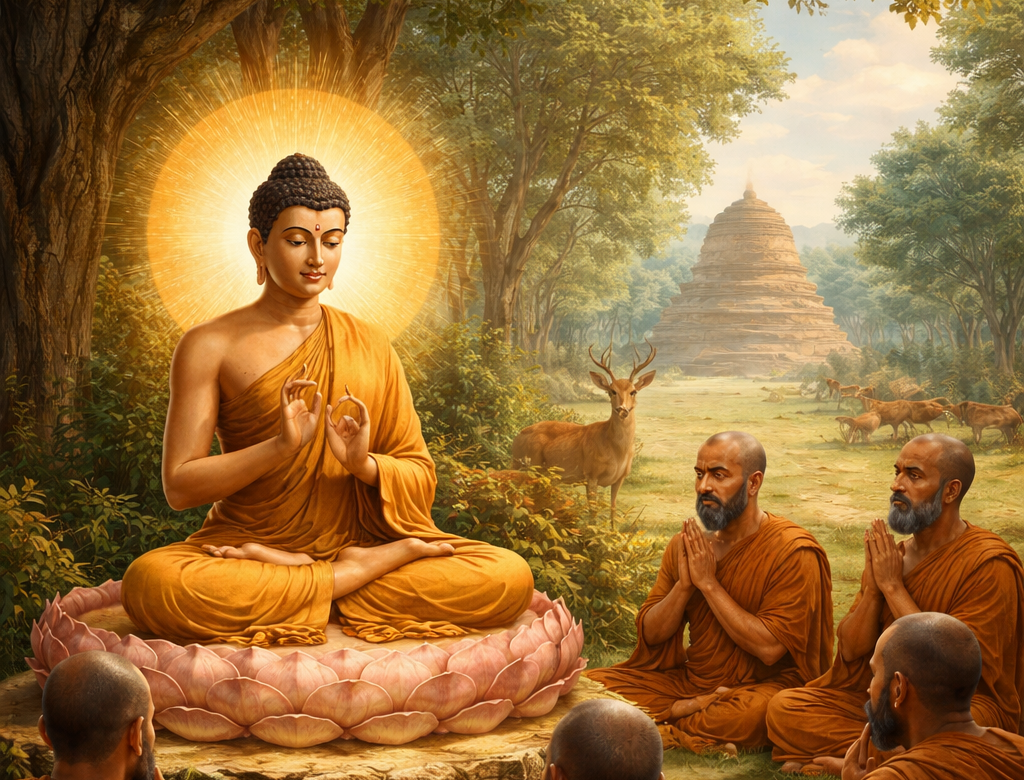
Soon after his enlightenment, the Buddha travelled to Sarnath, where he delivered his first discourse to five former companions. This teaching, known as the Dhammacakkappavattana Sutta, introduced the Four Noble Truths and the Noble Eightfold Path. With this, the Sangha—the community of monks—was born, marking the beginning of the spread of the Dhamma.


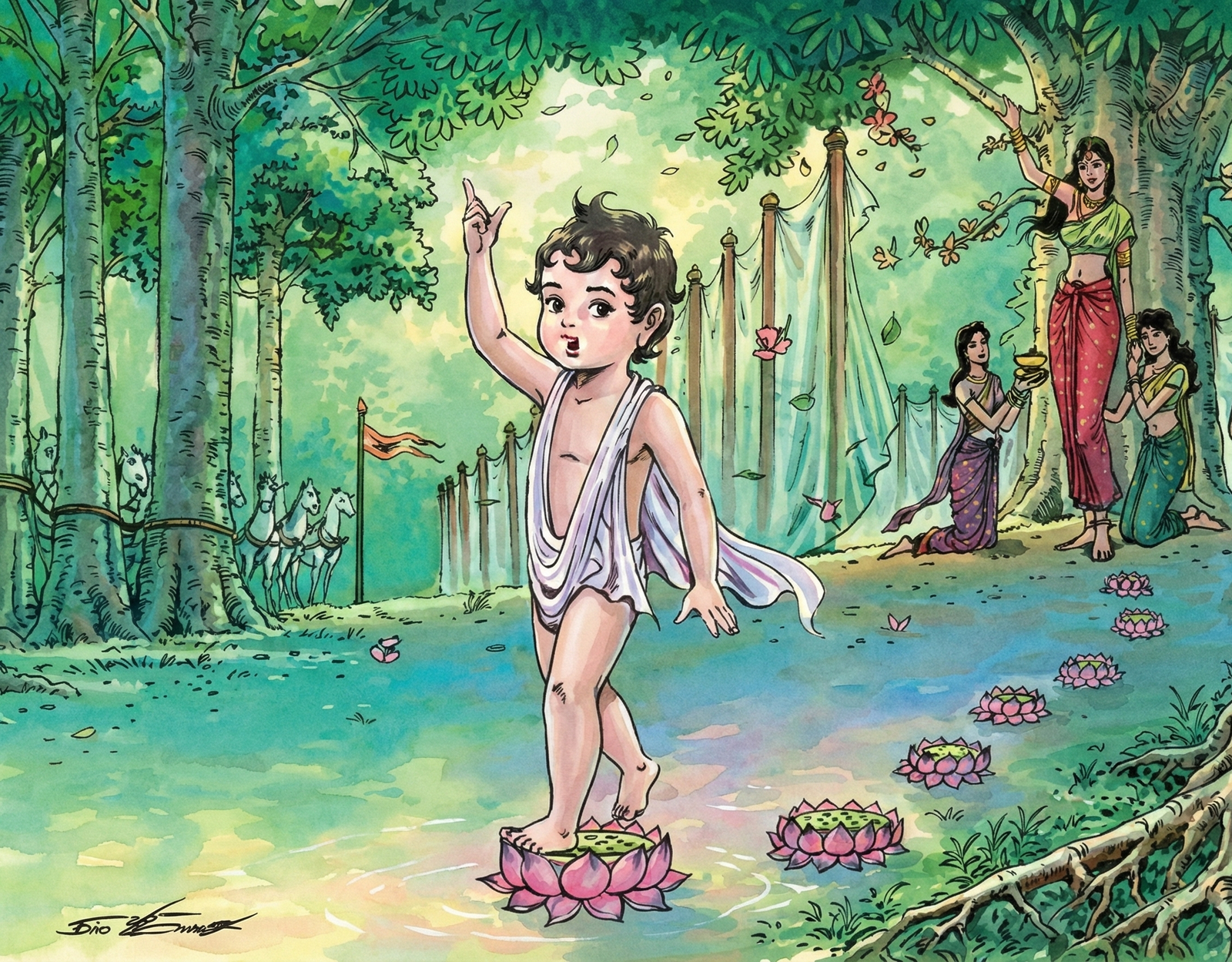
Siddhartha Gautama, who would later become the Buddha, was born around 563 BCE in Lumbini, a region that is now part of Nepal. He was born into the royal Shakya clan to King Suddhodana and Queen Maya. Tradition describes his birth as peaceful and auspicious. After his mother’s passing one week later, Siddhartha was lovingly raised by his aunt, Queen Mahapajapati.
Growing up in the city of Kapilavatthu, Siddhartha enjoyed a privileged and protected life. His father, wishing to shield him from the hardships and uncertainties of the world, ensured he received the finest education, martial training, and a life surrounded by comfort. At the age of sixteen, Siddhartha married Princess Yasodhara, and together they had a son named Rahula.