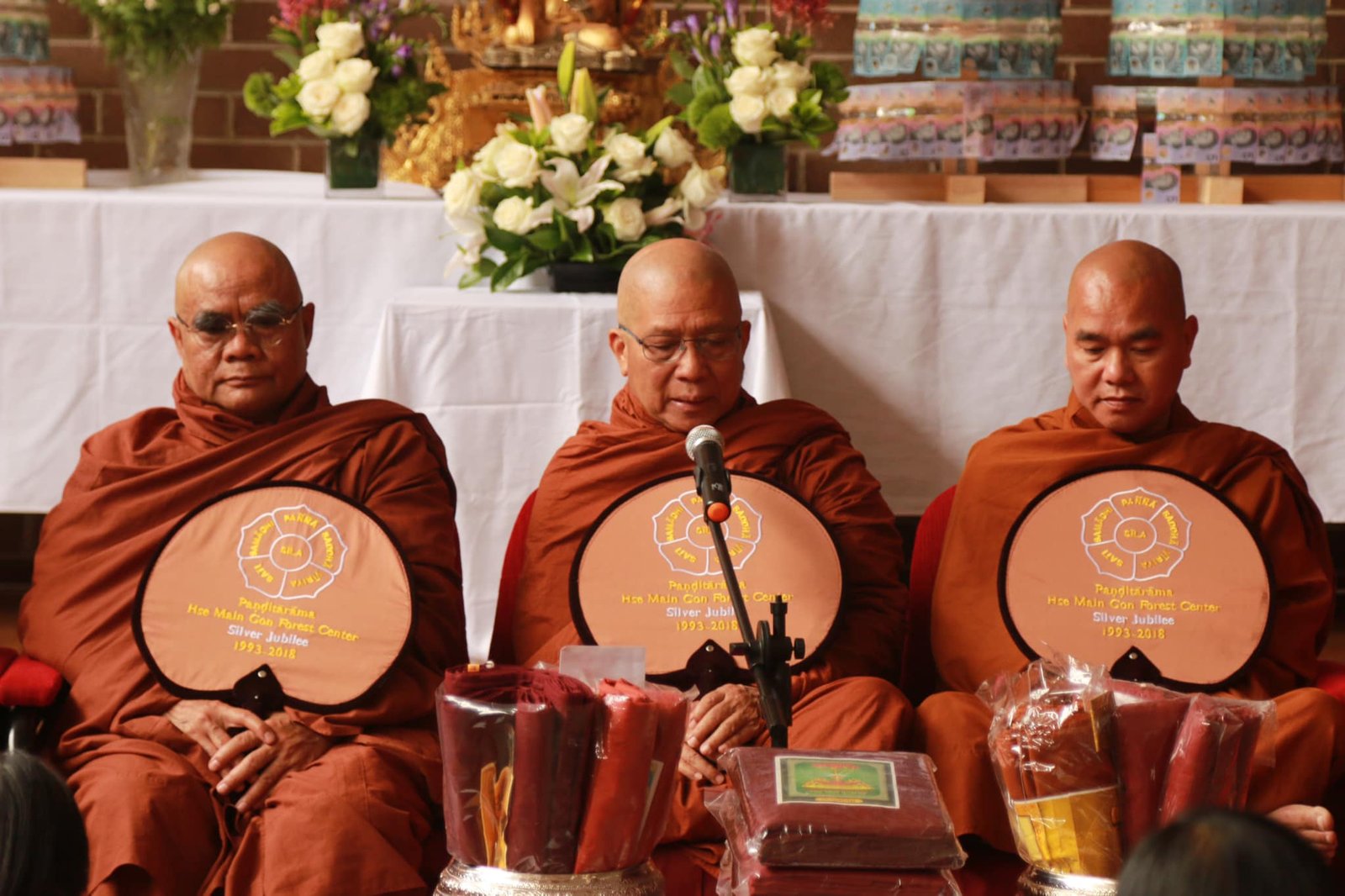
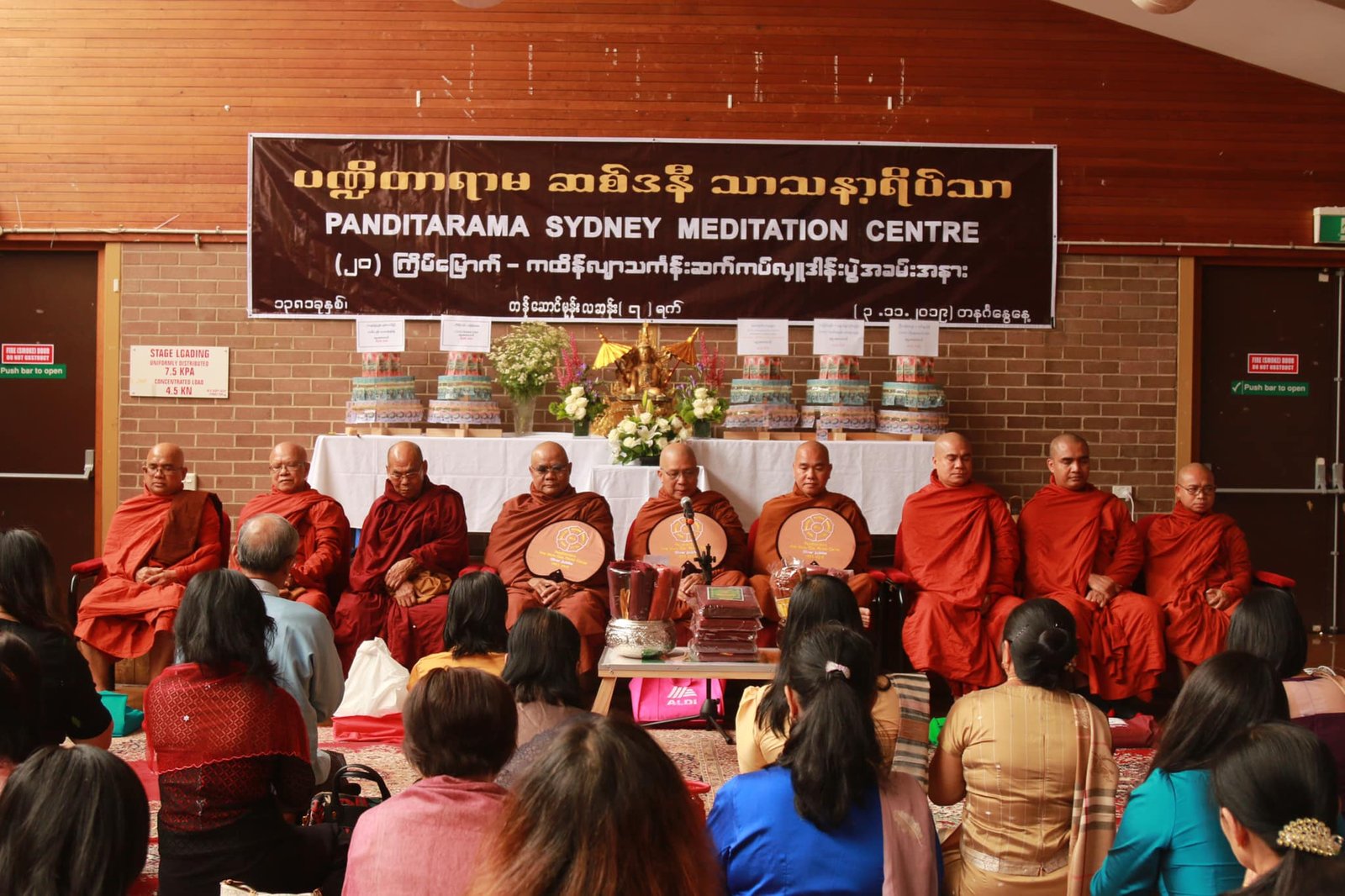
Our teachers are experienced monastics dedicated to guiding practitioners in mindfulness, insight meditation, and ethical living.
With decades of practice and teaching, they offer clear, compassionate instruction to meditators of all levels.
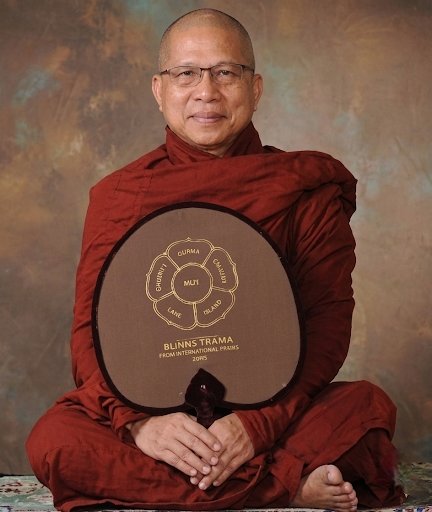
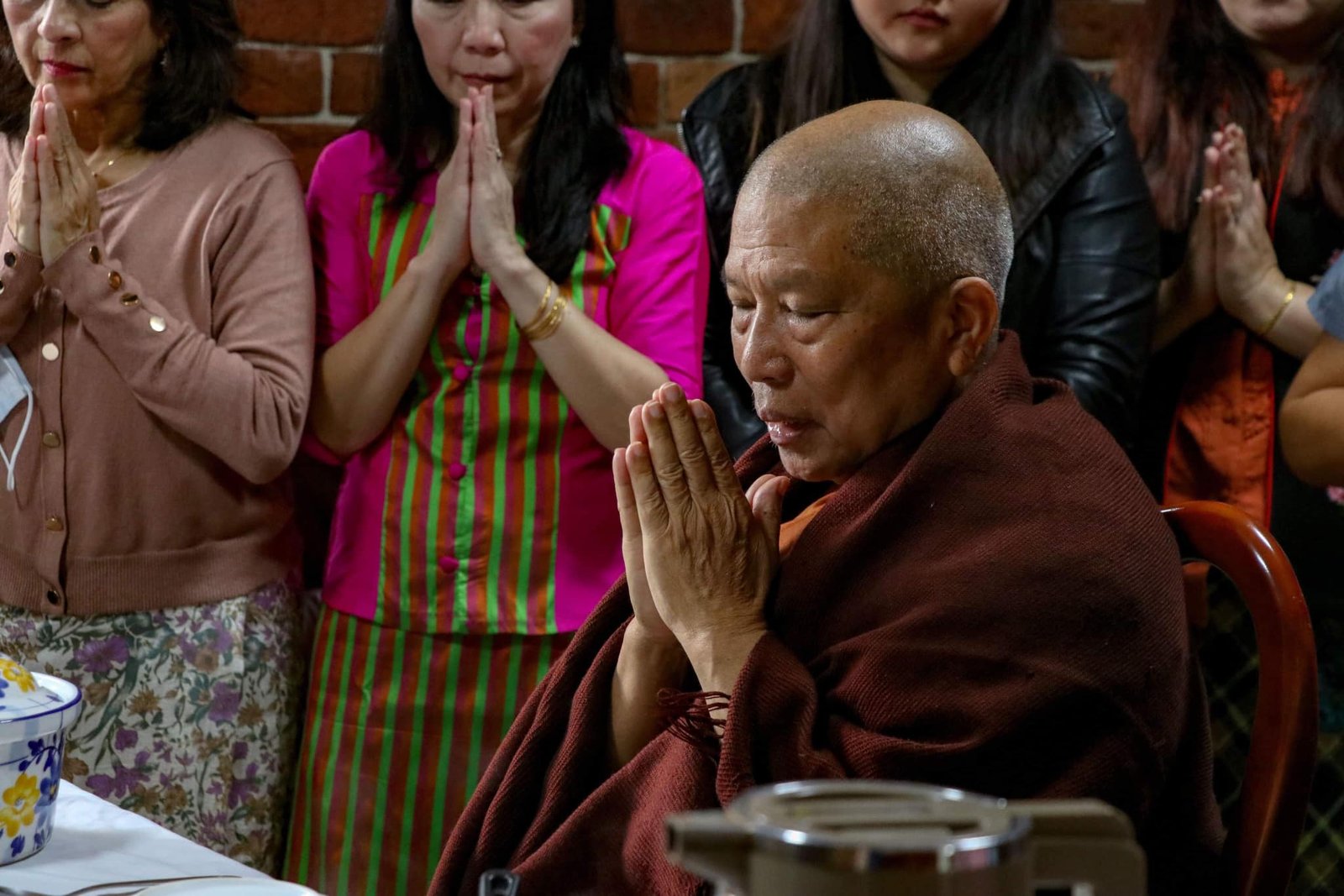
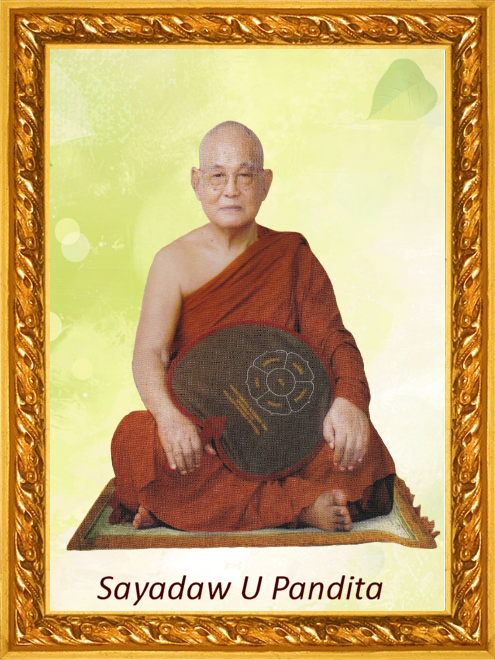
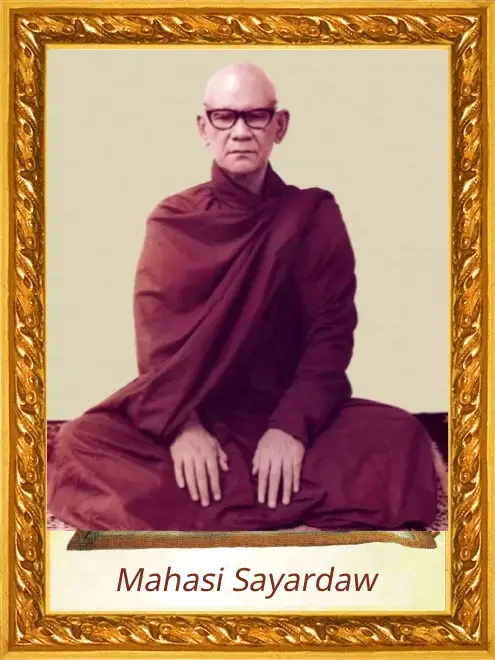
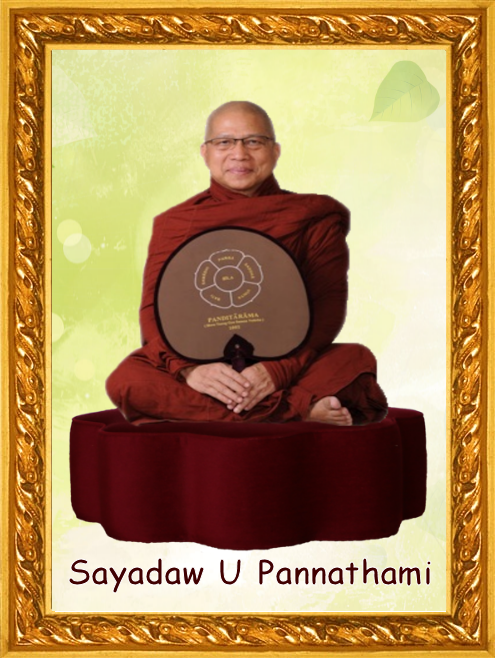
Sayadaw was born in Kawmhu, Myanmar, in 1948. He became a novice at age 12 and was fully ordained at 20, completing the Dhammacariya (Dhamma Teacher) examinations in 1973 and later achieving the Abhivamsa qualification. He trained under renowned meditation masters, including the late Mahasi Sayadaw and Sayadaw U Panditabhivamsa.
Sayadaw undertook his first intensive four-month retreat in 1966 and later spent five years practising and teaching at Mahasi Sasana Yeiktha. Since 1983, he has taught Vipassana meditation internationally—in Sri Lanka, Malaysia, the UK, and Australia—founding and guiding several meditation centres:
Since 2000, he has served as abbot and founder of PSMC, continuing to actively promote Satipatthana Vipassana meditation. Known for his compassion, discipline, and lifelong commitment to the Dhamma, Sayadaw has guided meditators for nearly four decades.

We greatly appreciate and welcome your kind generosity to help support the continuous development of the centre.
© 2026 PSMC. All rights reserved.


For the next 45 years, the Buddha travelled widely across northern India, sharing his teachings with anyone eager to learn—monks, nuns, farmers, royalty, merchants, and people from all walks of life. His teachings emphasised wisdom, moral conduct, mindfulness, compassion, and the potential for every being to awaken.
He established monastic communities, guided thousands of followers, and offered practical teachings that continue to resonate today. The Buddha taught in a simple and accessible manner, focusing on understanding the mind, cultivating virtue, and realising inner peace.
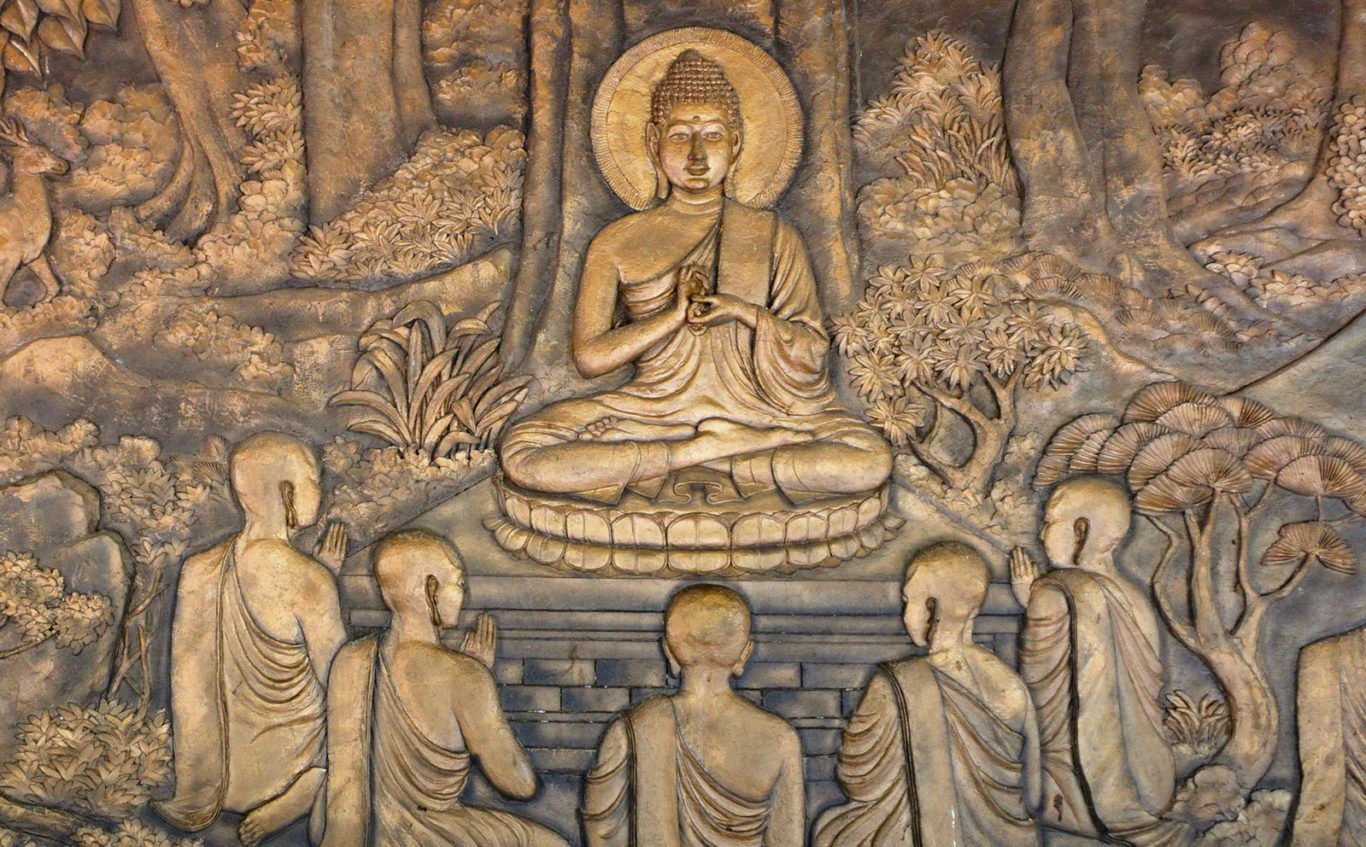
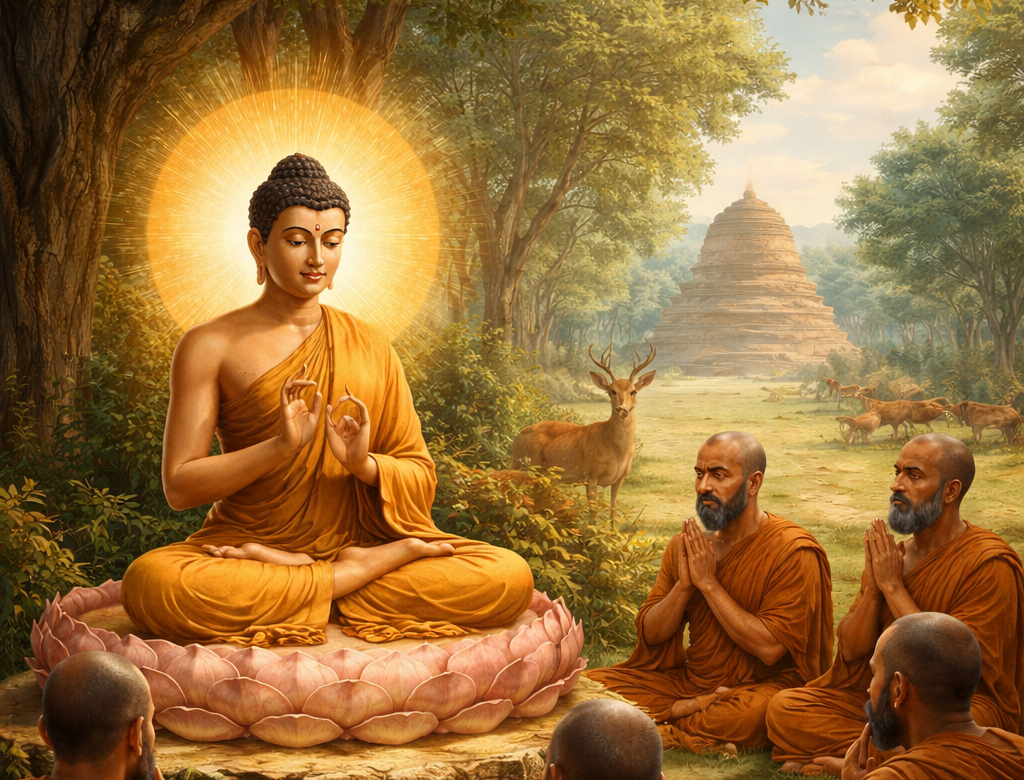
Soon after his enlightenment, the Buddha travelled to Sarnath, where he delivered his first discourse to five former companions. This teaching, known as the Dhammacakkappavattana Sutta, introduced the Four Noble Truths and the Noble Eightfold Path. With this, the Sangha—the community of monks—was born, marking the beginning of the spread of the Dhamma.


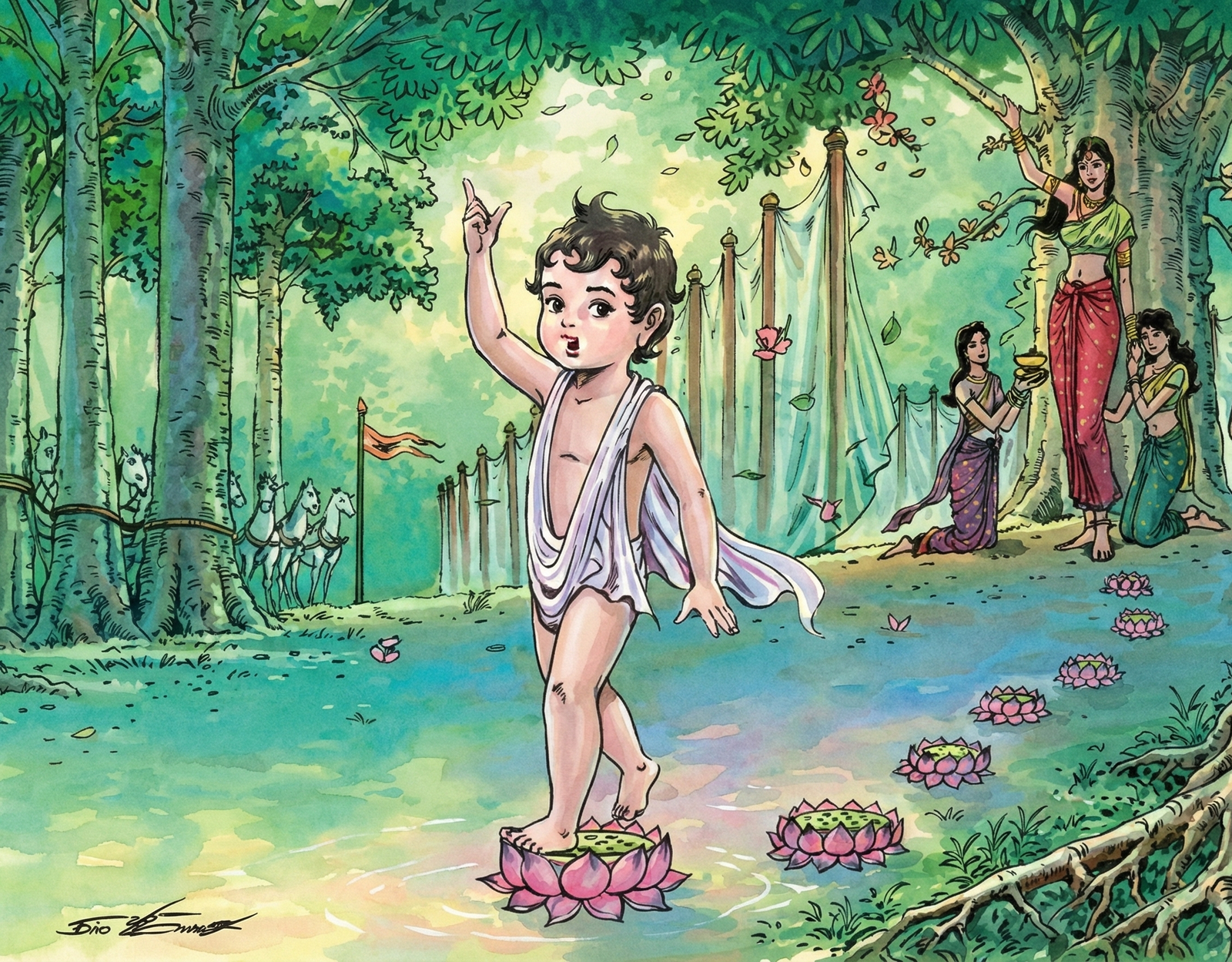
Siddhartha Gautama, who would later become the Buddha, was born around 563 BCE in Lumbini, a region that is now part of Nepal. He was born into the royal Shakya clan to King Suddhodana and Queen Maya. Tradition describes his birth as peaceful and auspicious. After his mother’s passing one week later, Siddhartha was lovingly raised by his aunt, Queen Mahapajapati.
Growing up in the city of Kapilavatthu, Siddhartha enjoyed a privileged and protected life. His father, wishing to shield him from the hardships and uncertainties of the world, ensured he received the finest education, martial training, and a life surrounded by comfort. At the age of sixteen, Siddhartha married Princess Yasodhara, and together they had a son named Rahula.