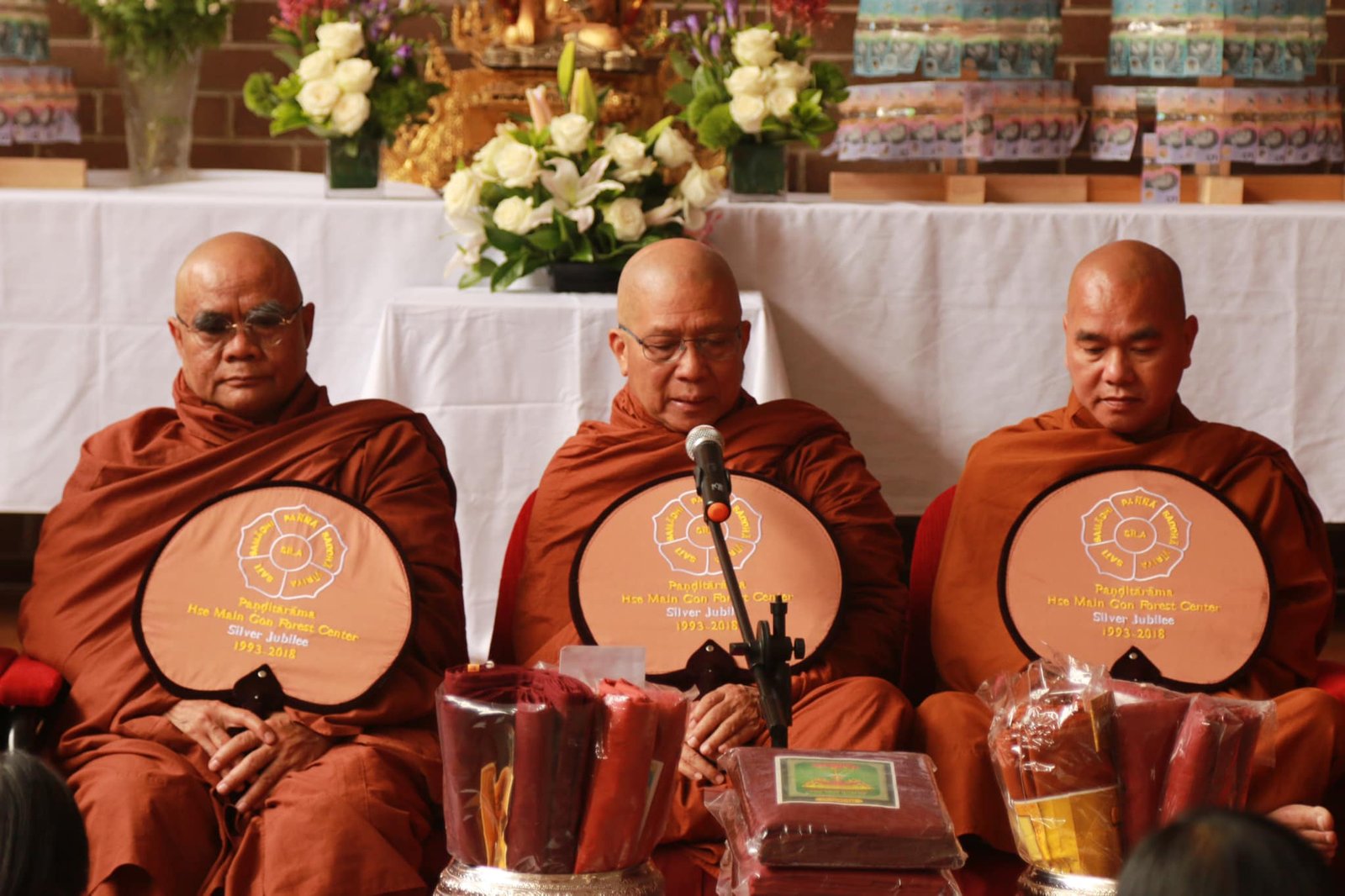
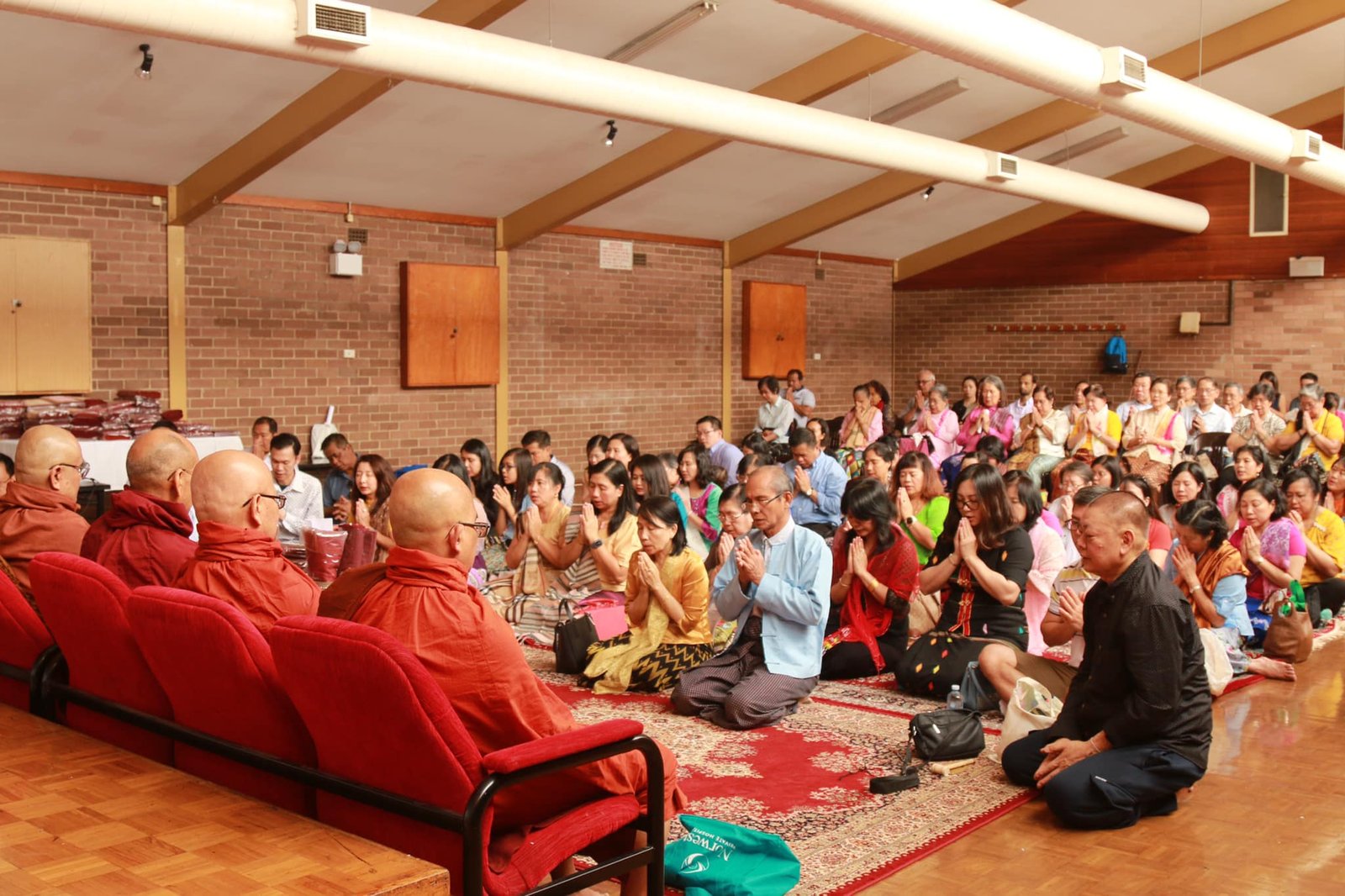
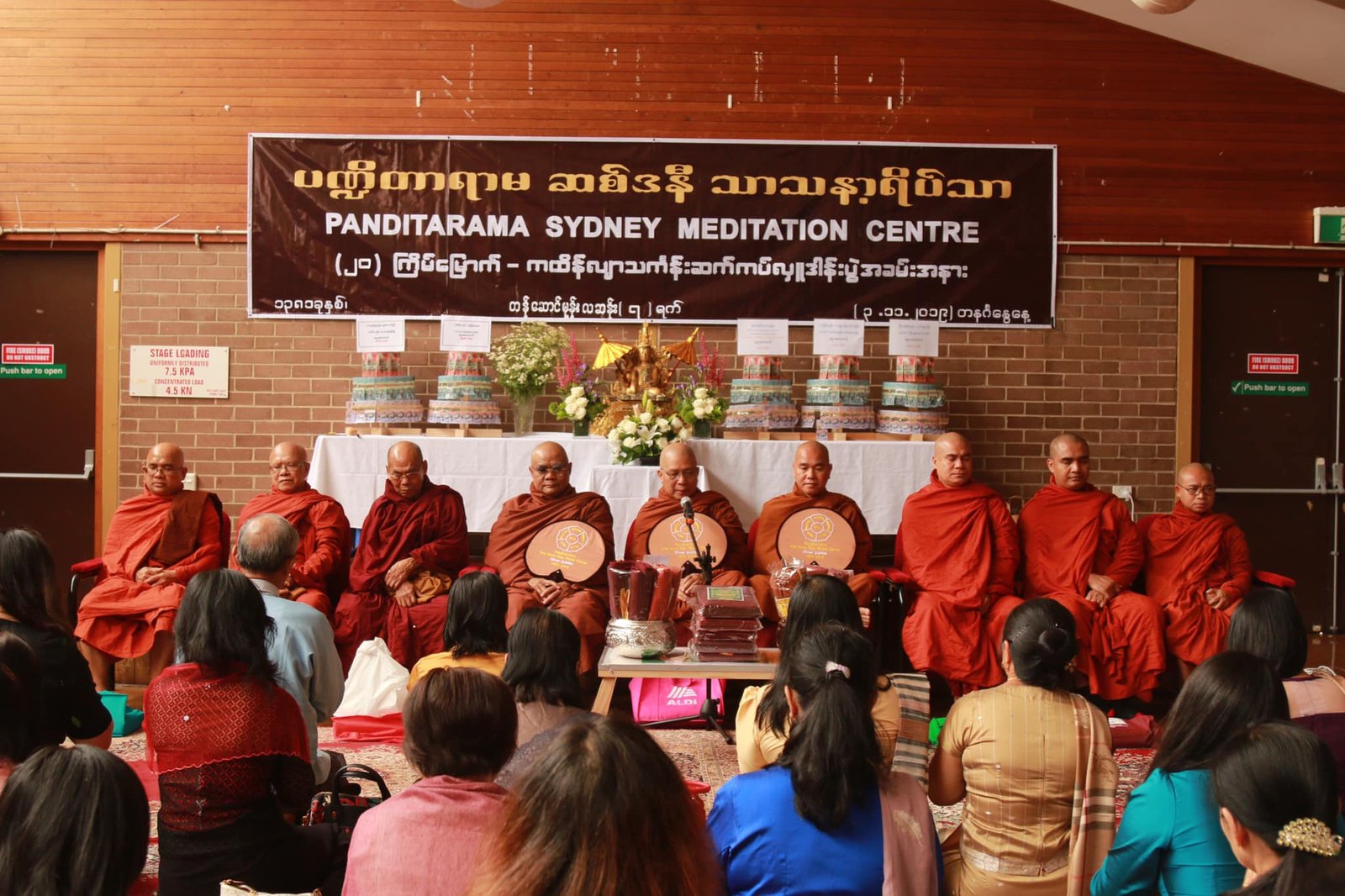
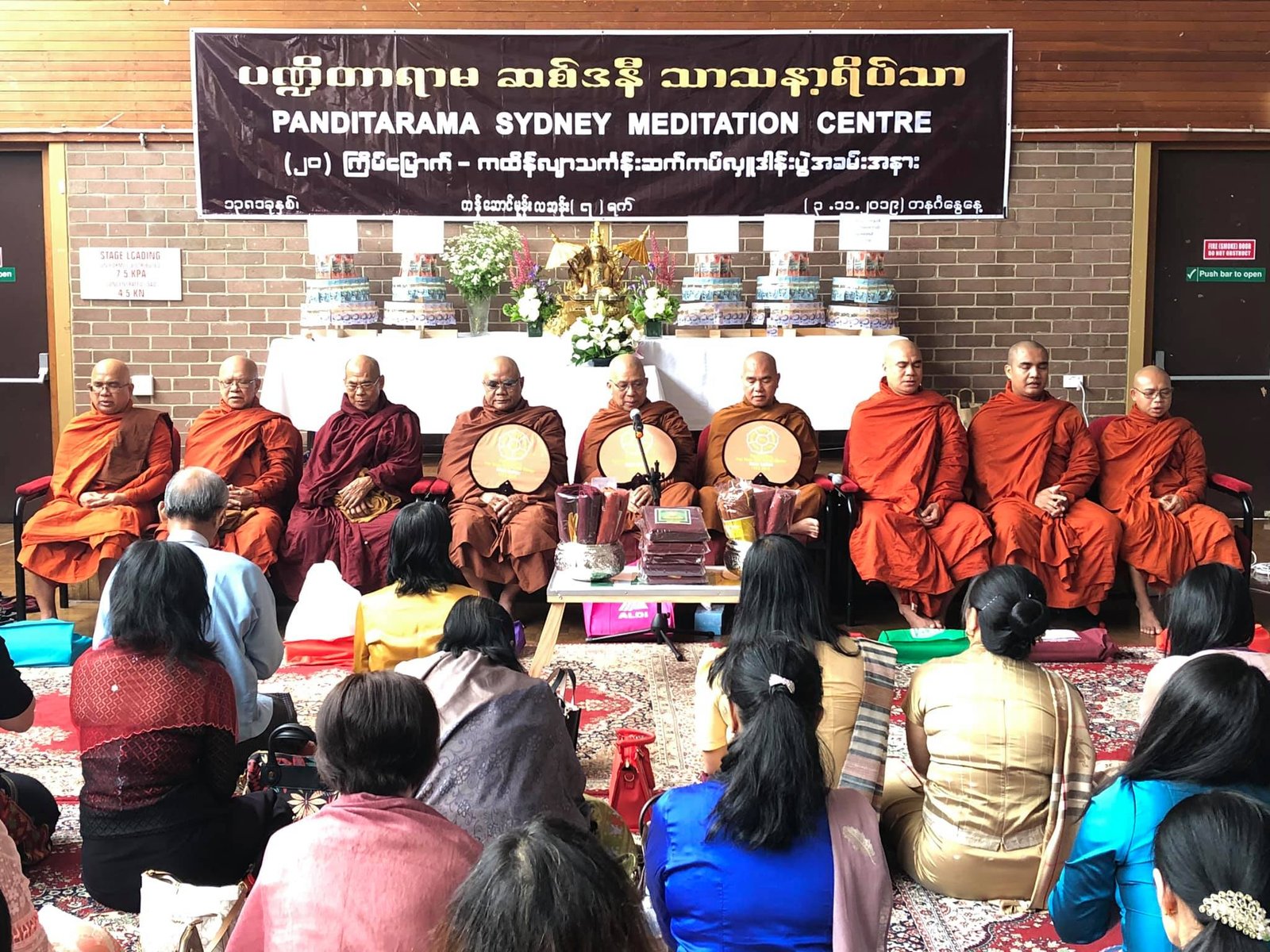
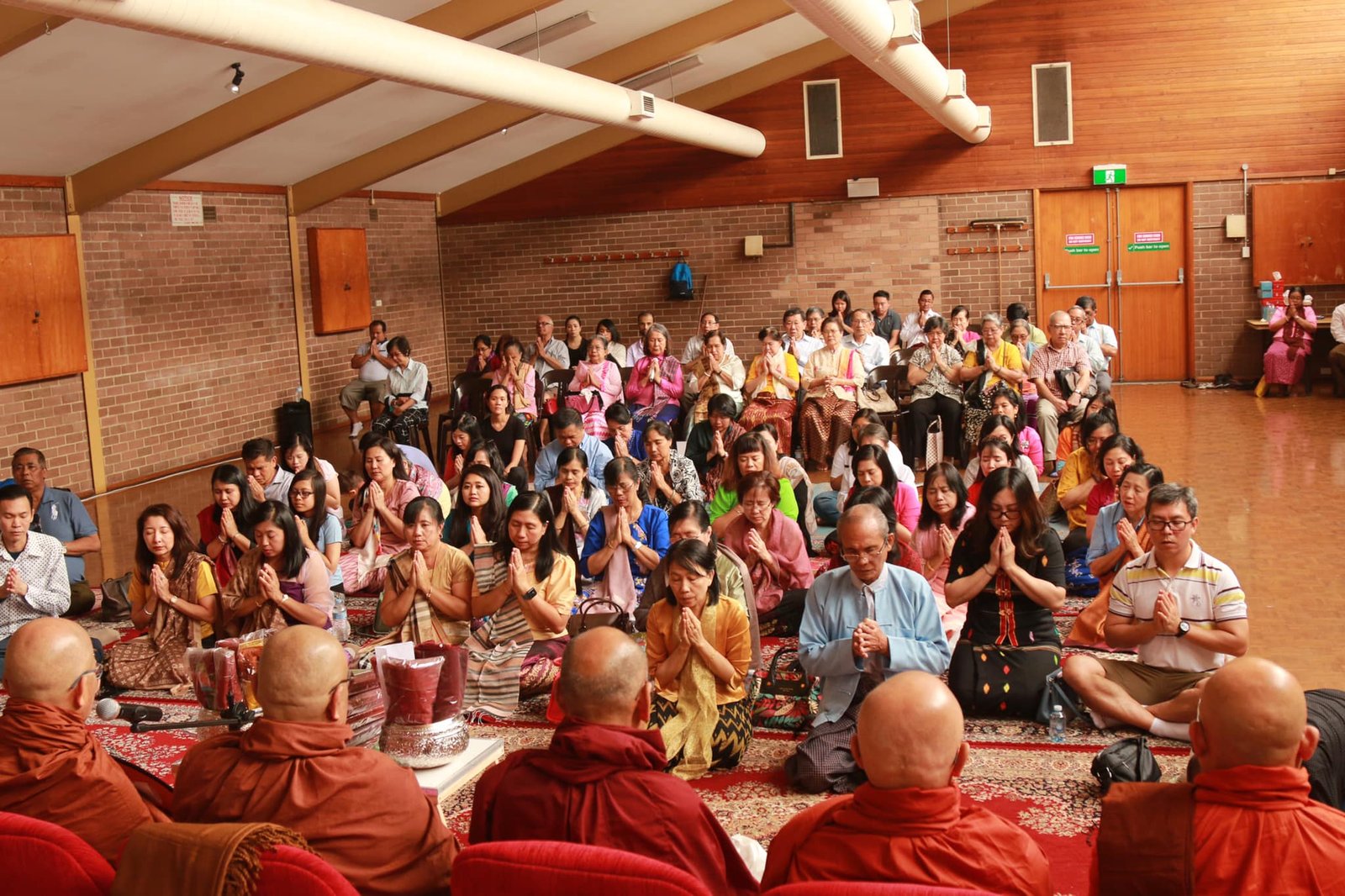
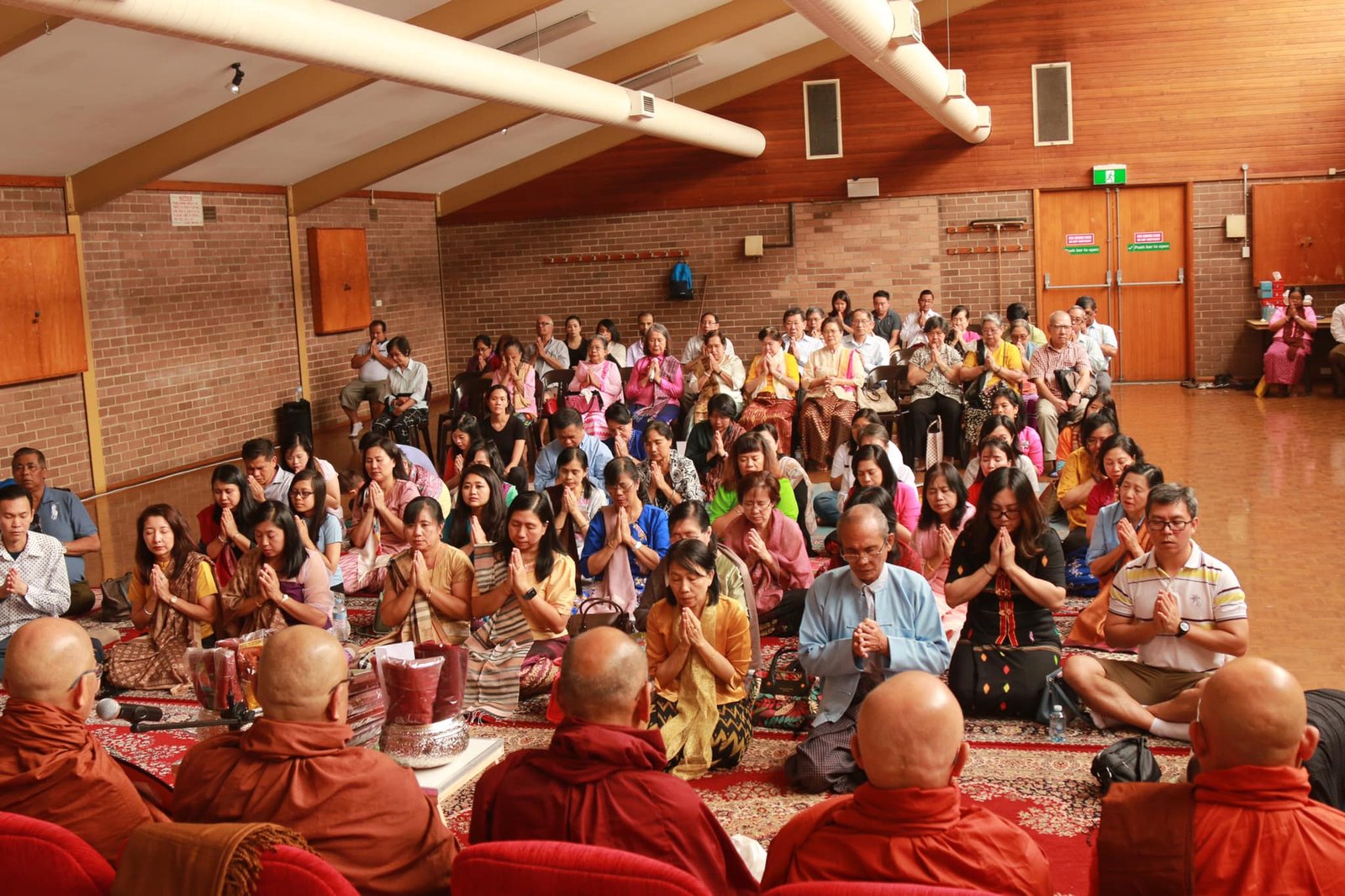
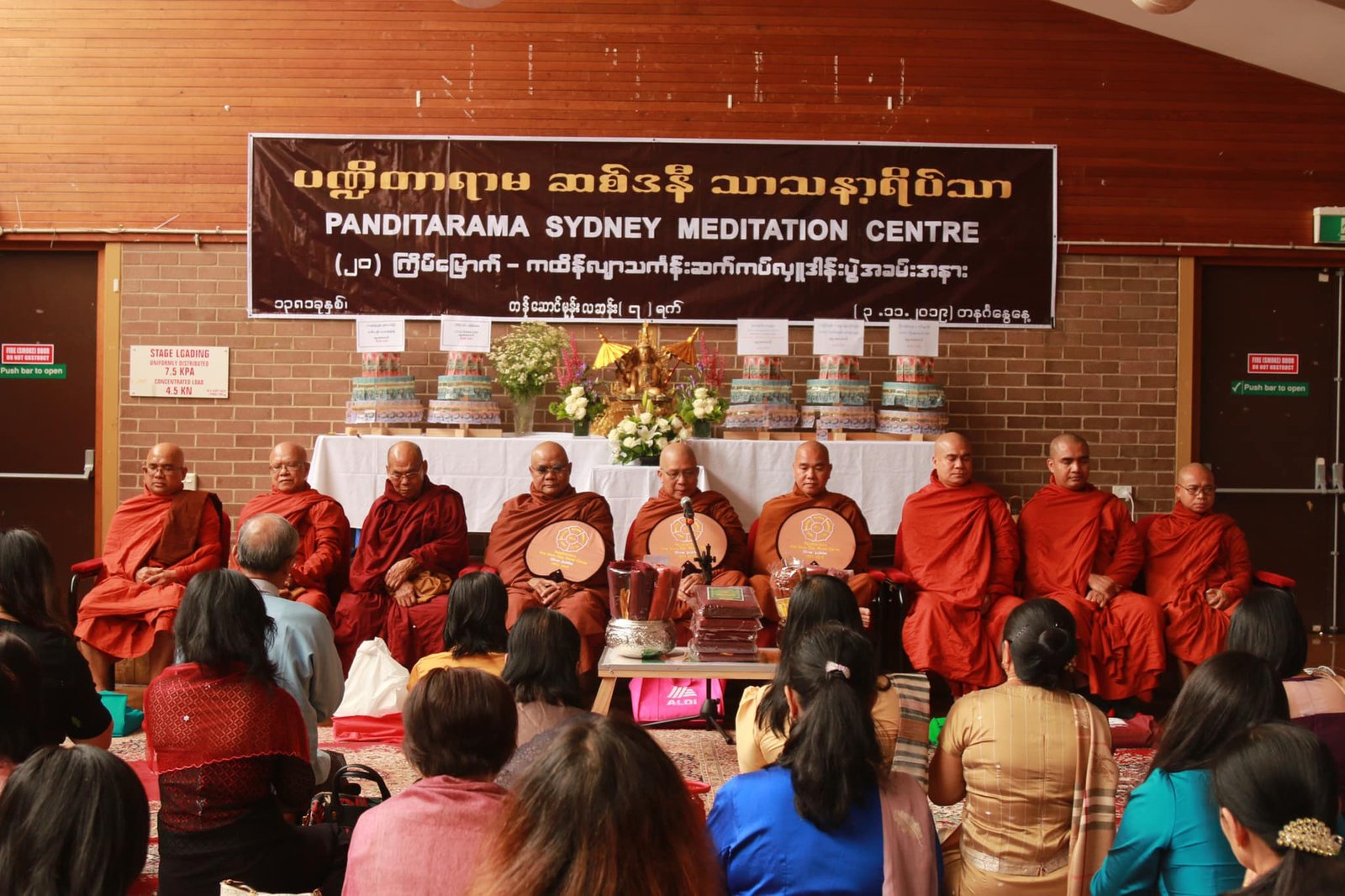
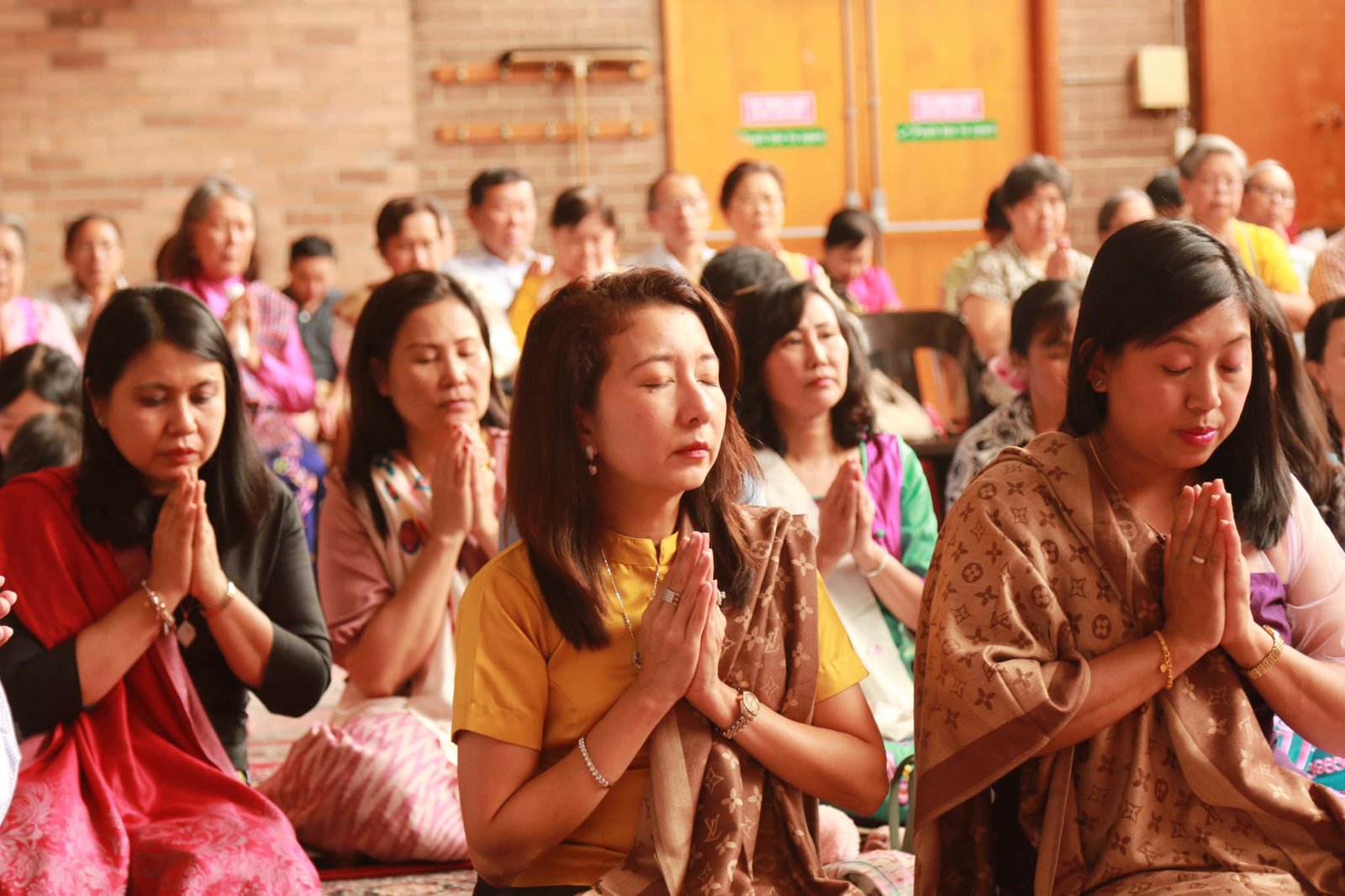
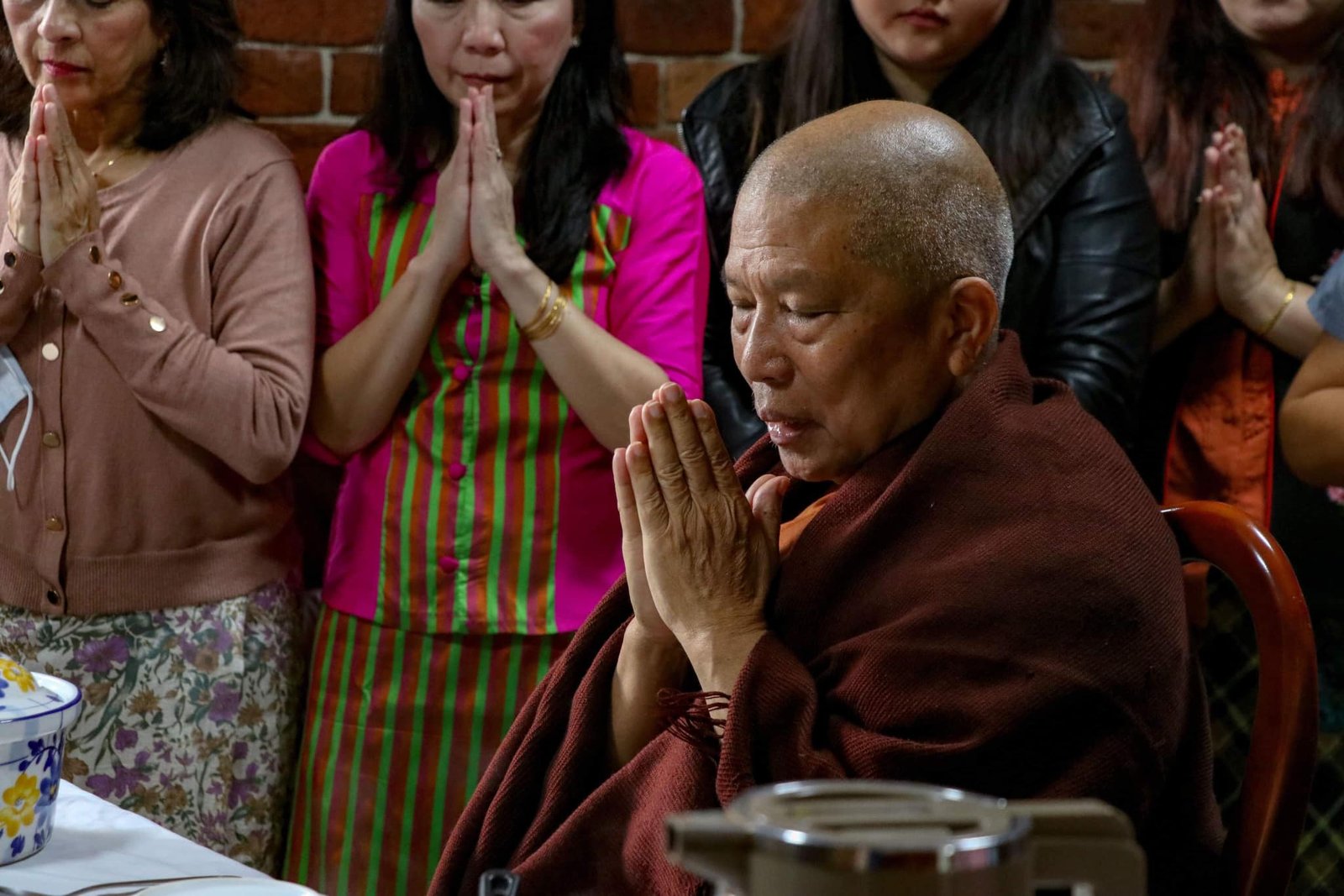
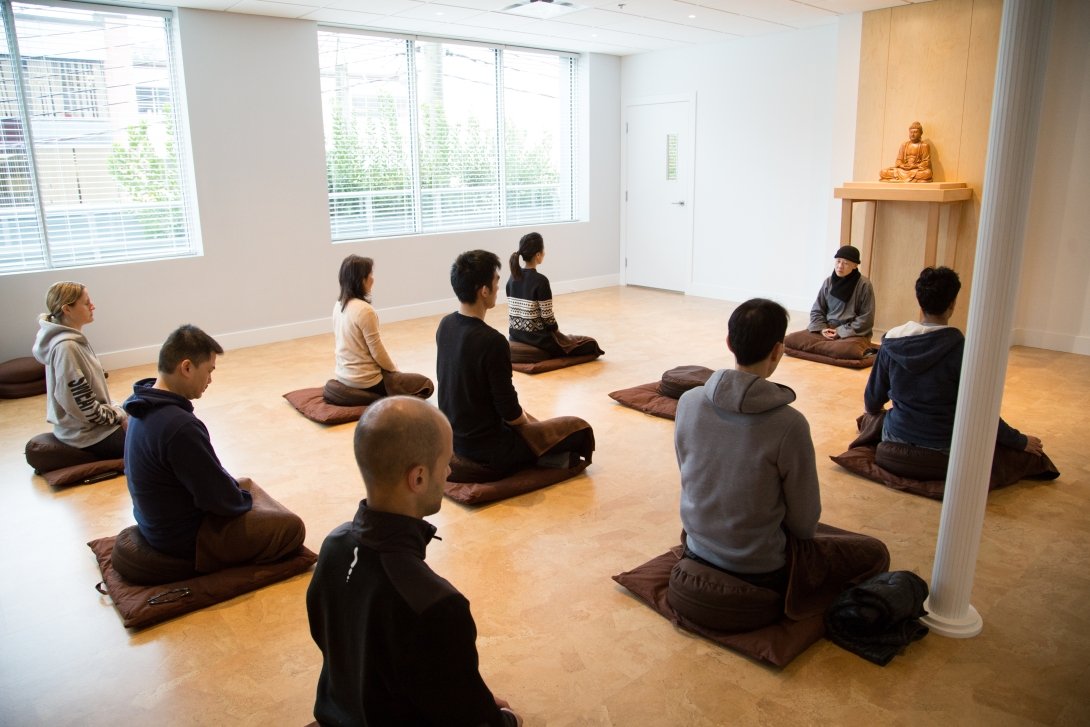
At Panditarama Sydney Meditation Centre (PSMC), we are more than a meditation centre—we are a community of dedicated practitioners and supporters, working together to maintain a peaceful, welcoming environment for all who come to learn and practice the Dhamma.
Volunteering at PSMC is a meaningful way to practice generosity (dāna) and mindfulness, contribute to the Centre, and be part of a supportive spiritual community.

Volunteering offers you the opportunity to:
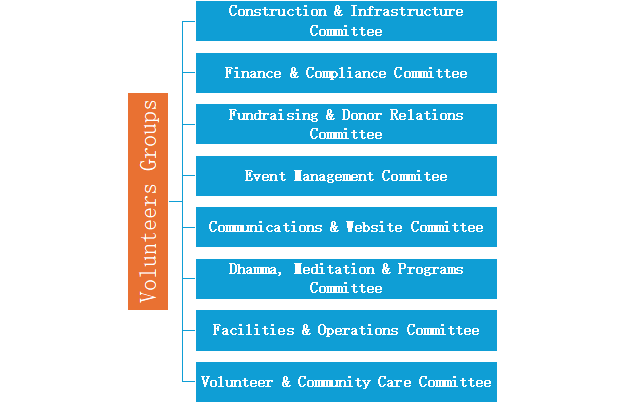
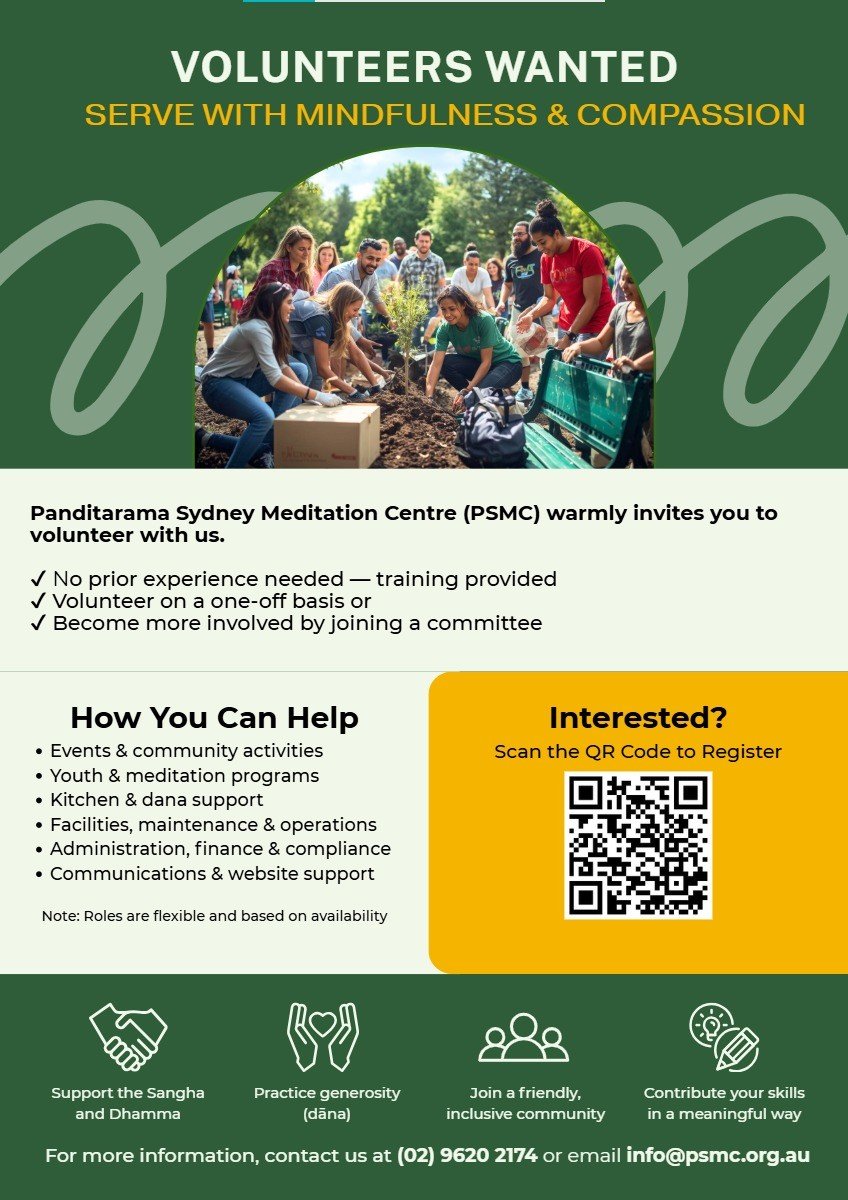
There are many ways you can offer your time and skills, including:
No prior experience is required—just a willingness to serve and an open heart.
To maintain a respectful and mindful environment, volunteers are encouraged to:
If you are interested in volunteering at PSMC:
Volunteering at Panditarama Sydney Meditation Centre is not just about giving your time—it is an opportunity to practice generosity, deepen your meditation practice, and support a community dedicated to the Dhamma.
Join us in serving the Centre and spreading the teachings of the Buddha!
We greatly appreciate and welcome your kind generosity to help support the continuous development of the centre.
© 2026 PSMC. All rights reserved.


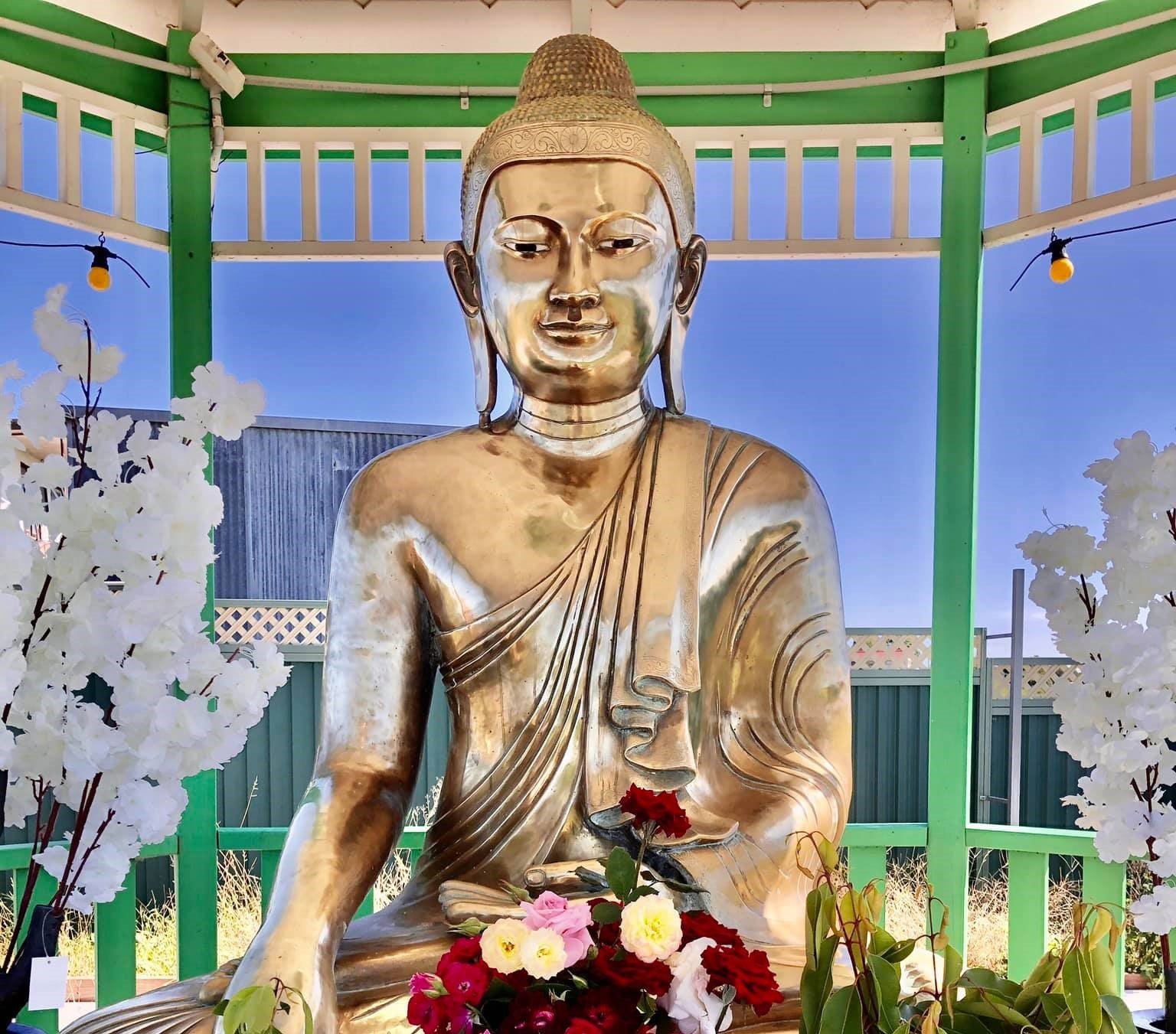
For the next 45 years, the Buddha travelled widely across northern India, sharing his teachings with anyone eager to learn—monks, nuns, farmers, royalty, merchants, and people from all walks of life. His teachings emphasised wisdom, moral conduct, mindfulness, compassion, and the potential for every being to awaken.
He established monastic communities, guided thousands of followers, and offered practical teachings that continue to resonate today. The Buddha taught in a simple and accessible manner, focusing on understanding the mind, cultivating virtue, and realising inner peace.
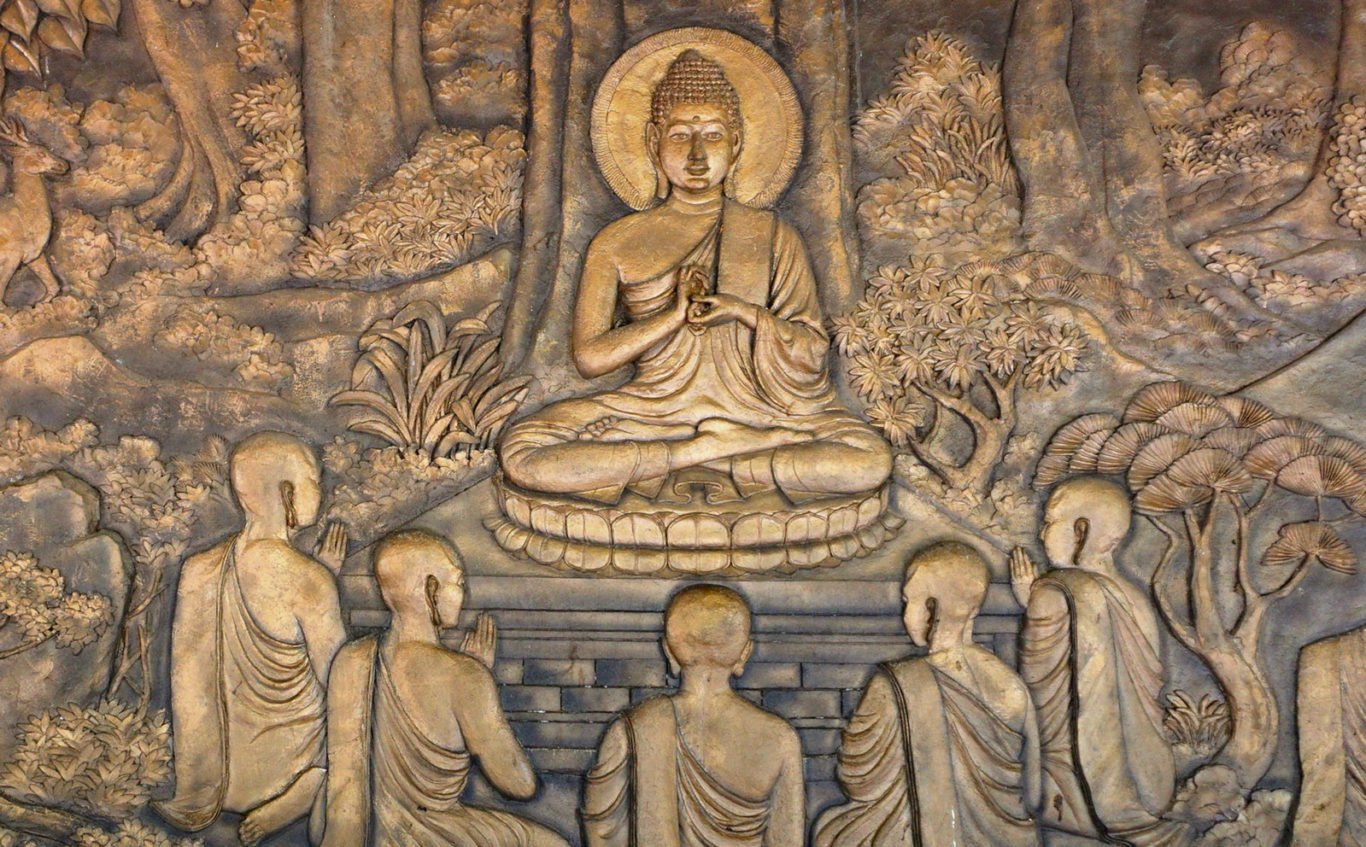
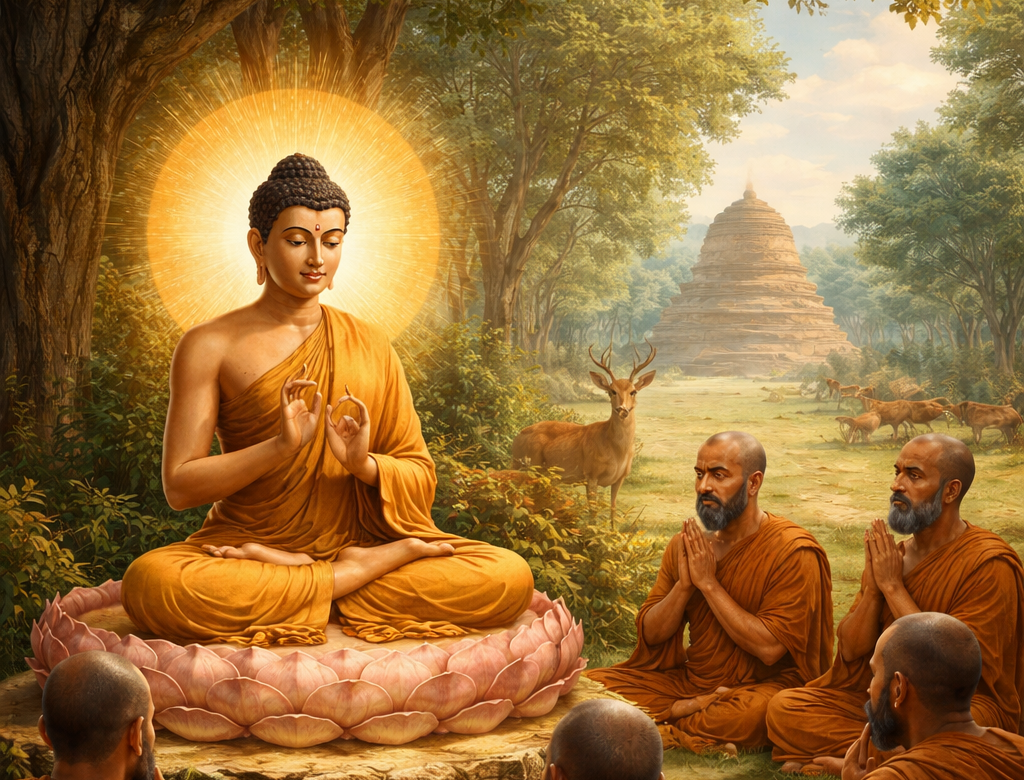
Soon after his enlightenment, the Buddha travelled to Sarnath, where he delivered his first discourse to five former companions. This teaching, known as the Dhammacakkappavattana Sutta, introduced the Four Noble Truths and the Noble Eightfold Path. With this, the Sangha—the community of monks—was born, marking the beginning of the spread of the Dhamma.


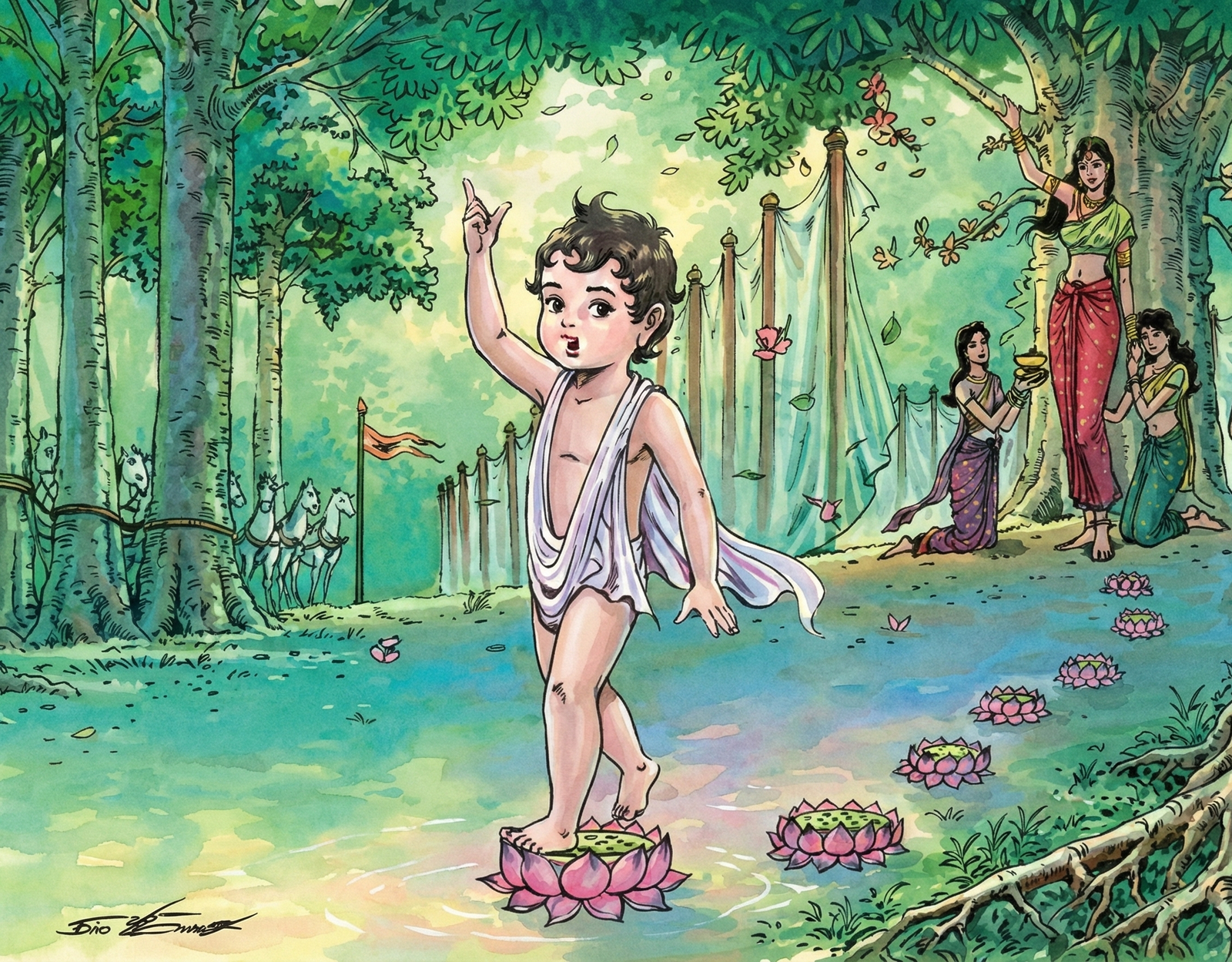
Siddhartha Gautama, who would later become the Buddha, was born around 563 BCE in Lumbini, a region that is now part of Nepal. He was born into the royal Shakya clan to King Suddhodana and Queen Maya. Tradition describes his birth as peaceful and auspicious. After his mother’s passing one week later, Siddhartha was lovingly raised by his aunt, Queen Mahapajapati.
Growing up in the city of Kapilavatthu, Siddhartha enjoyed a privileged and protected life. His father, wishing to shield him from the hardships and uncertainties of the world, ensured he received the finest education, martial training, and a life surrounded by comfort. At the age of sixteen, Siddhartha married Princess Yasodhara, and together they had a son named Rahula.