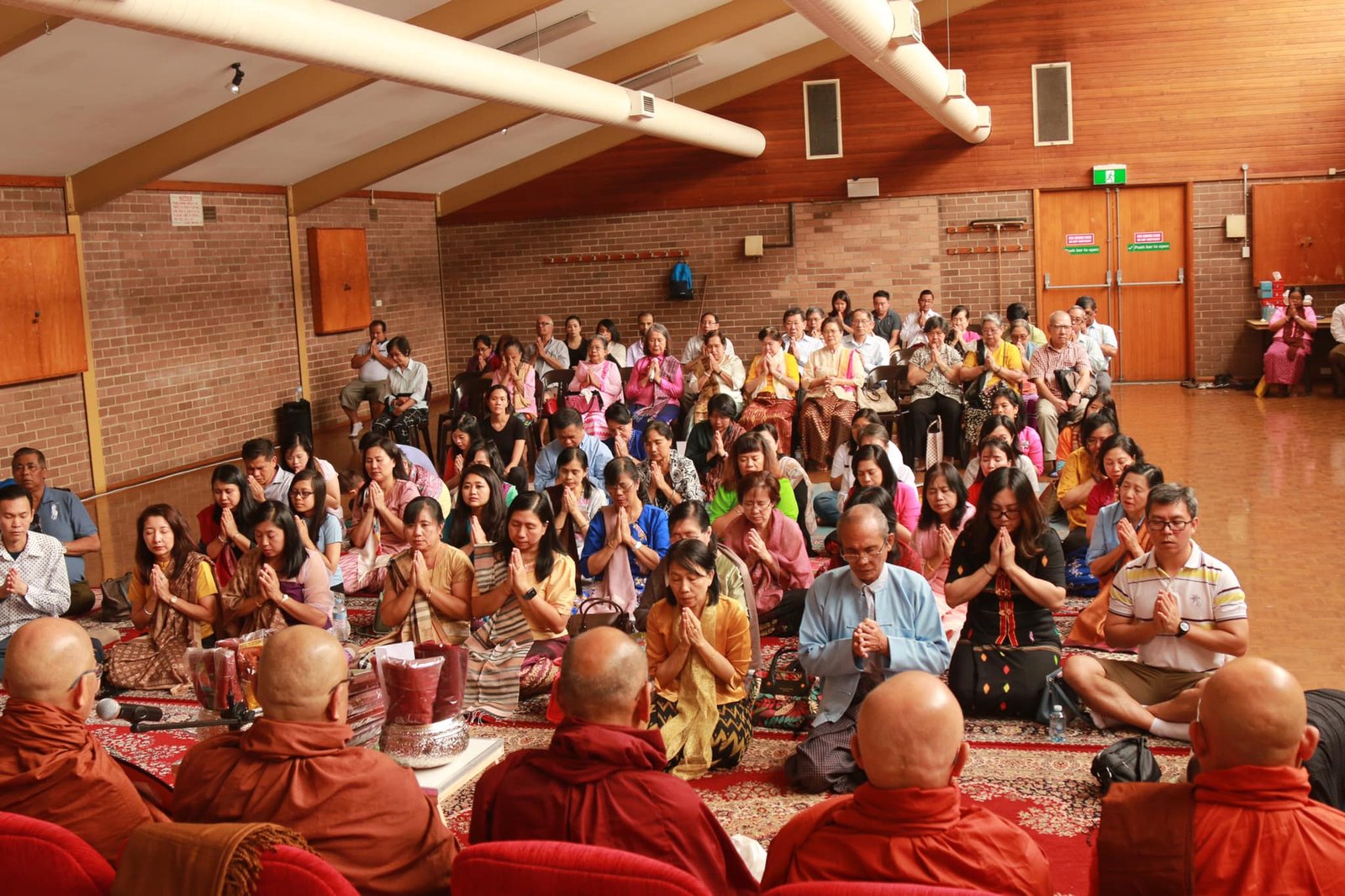
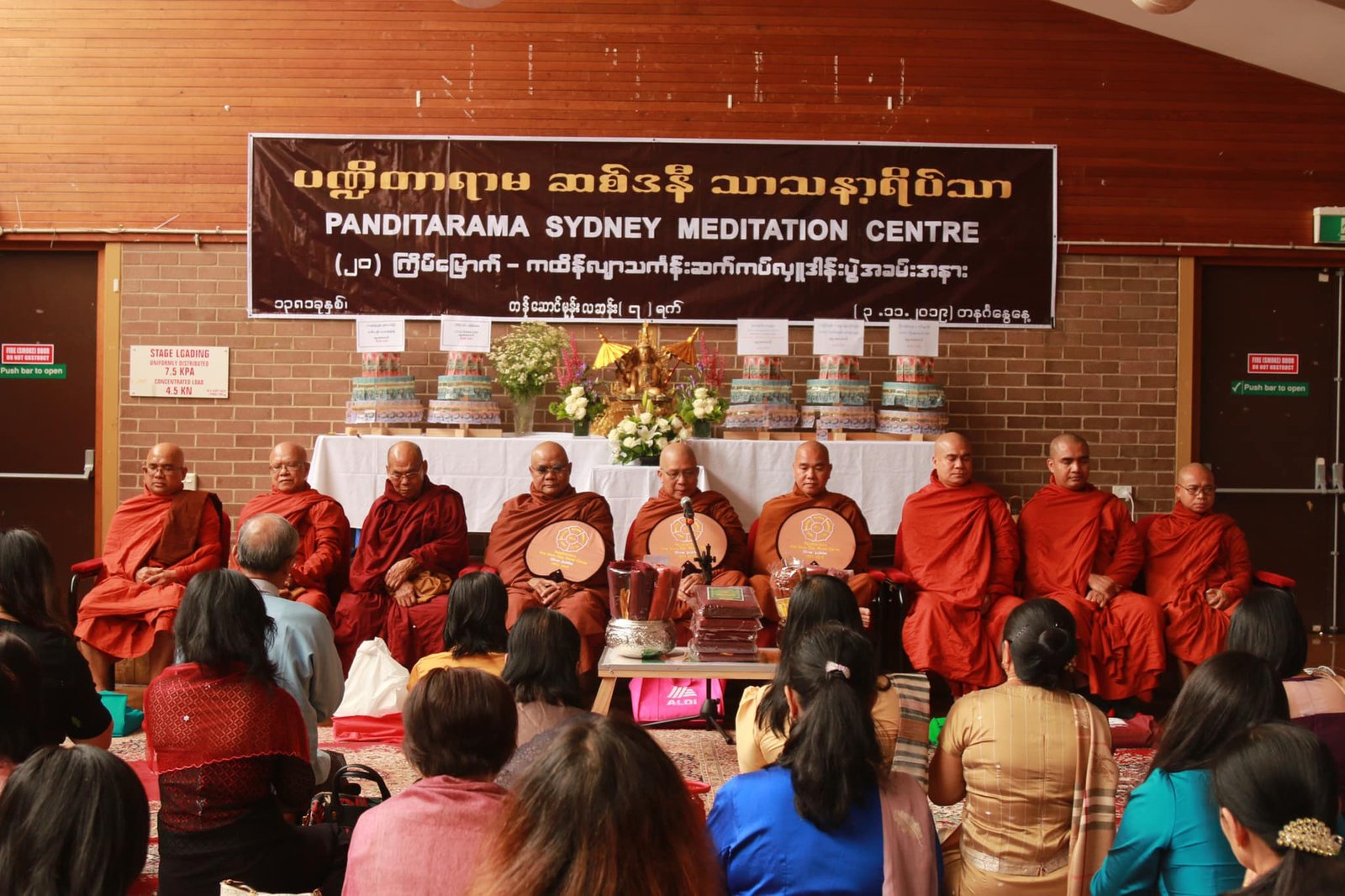
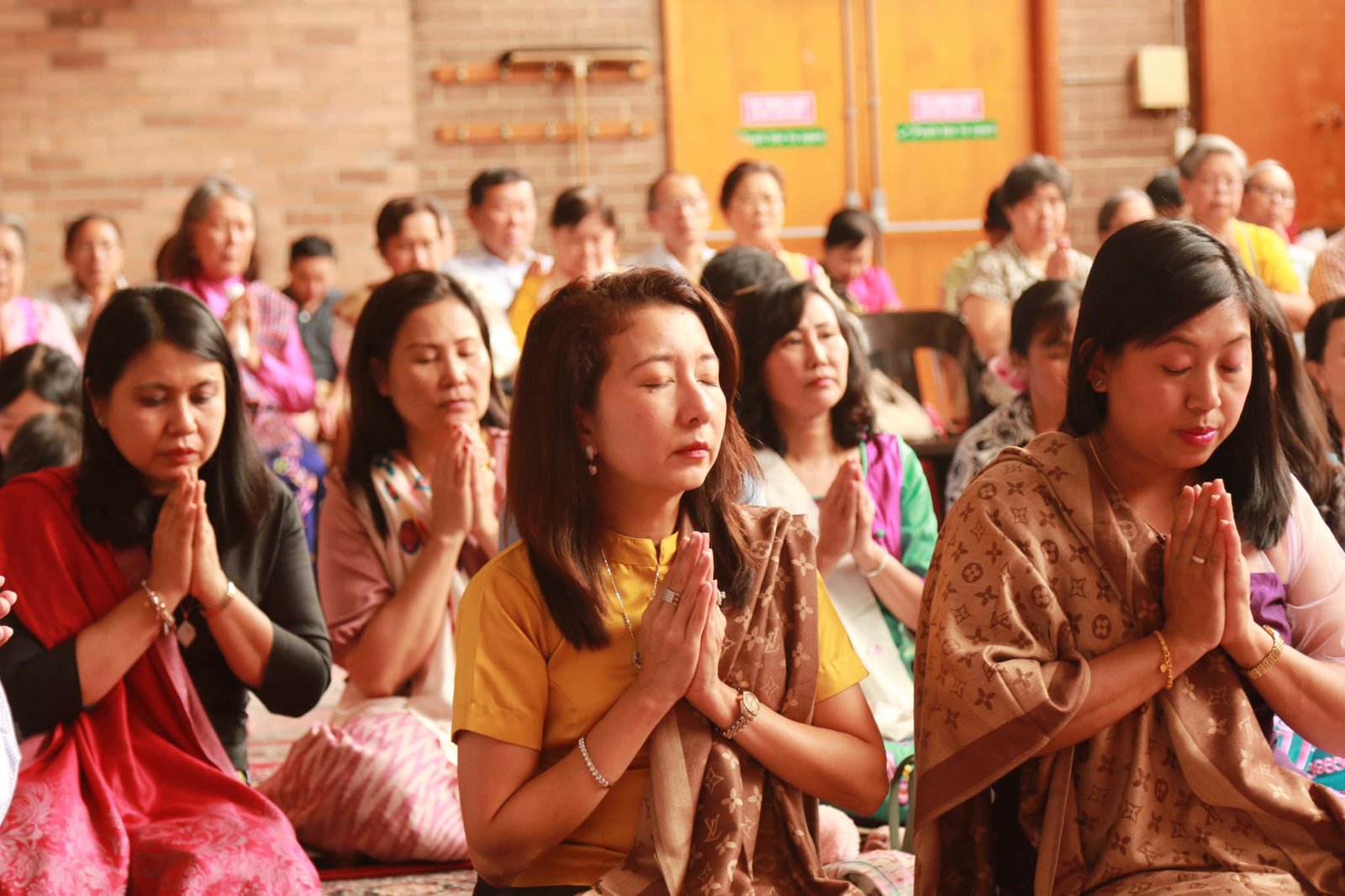
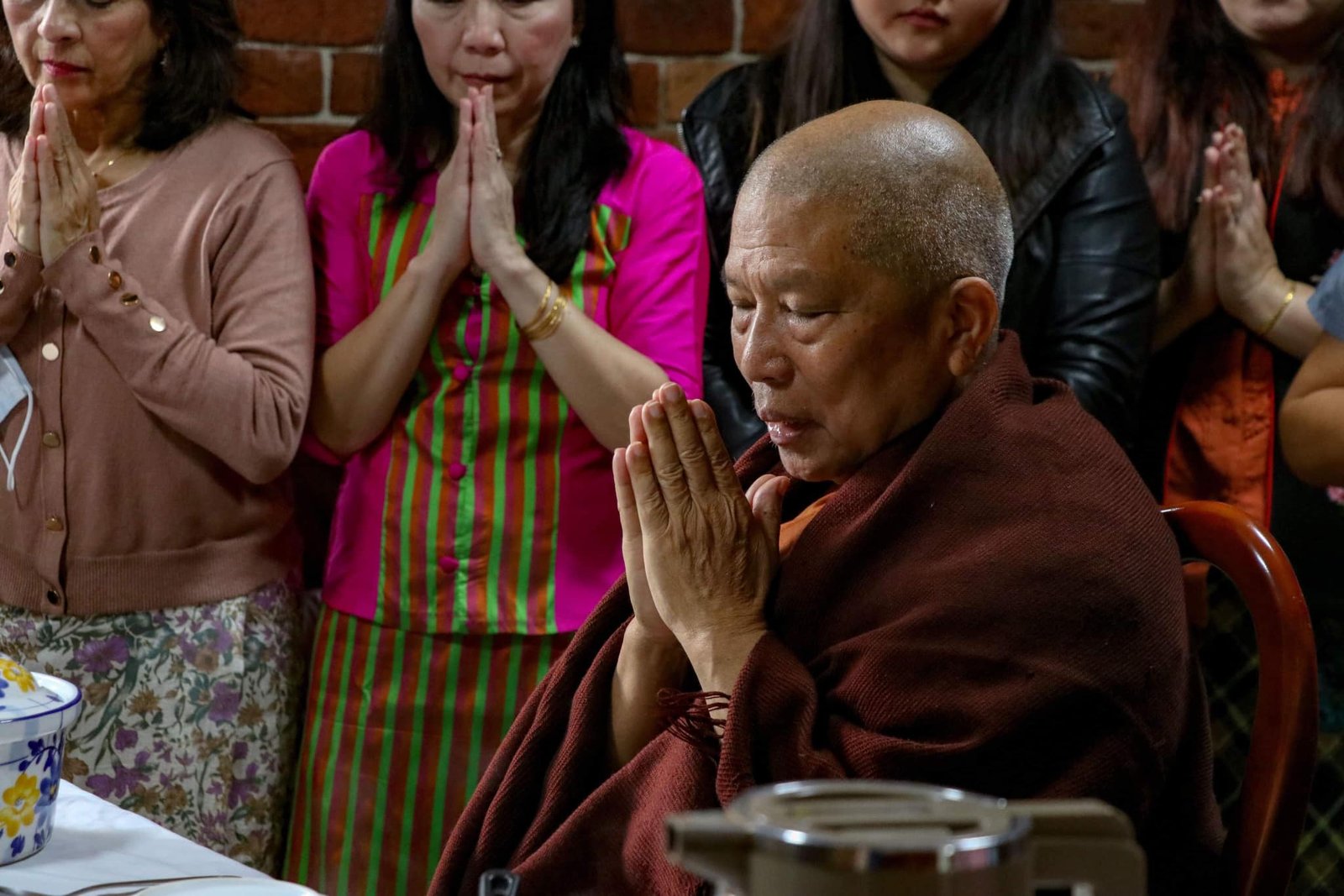
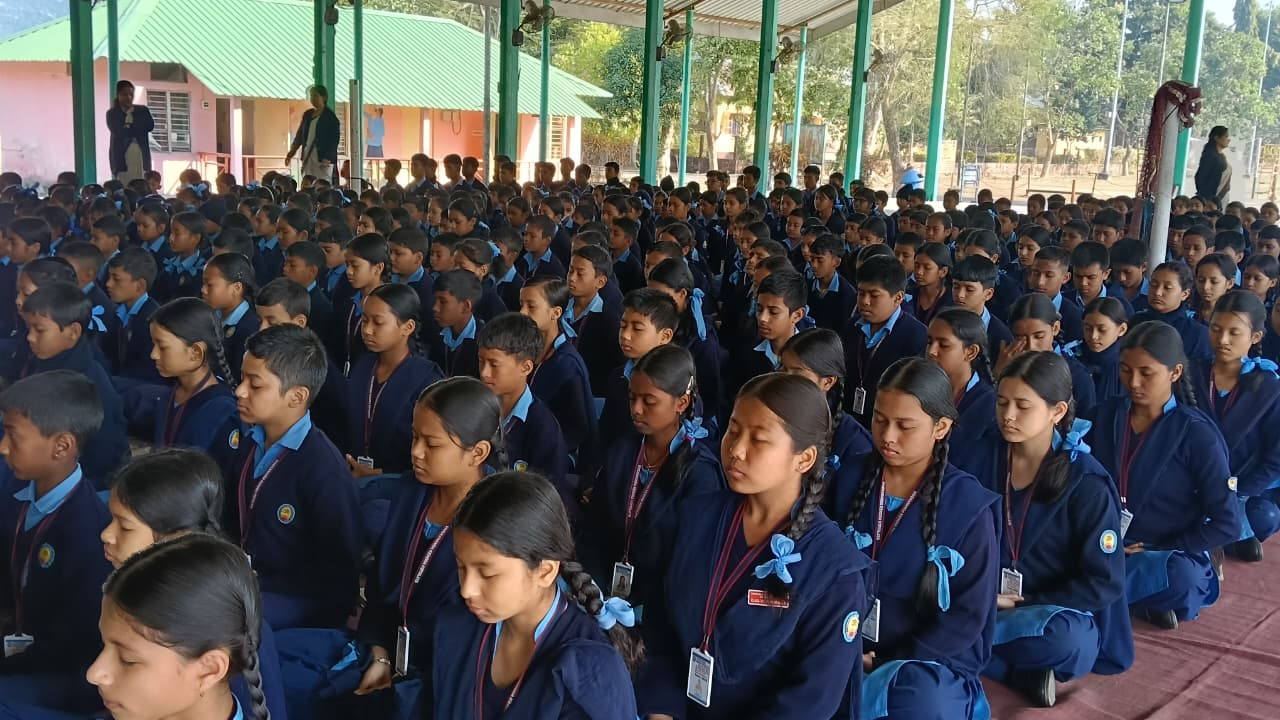
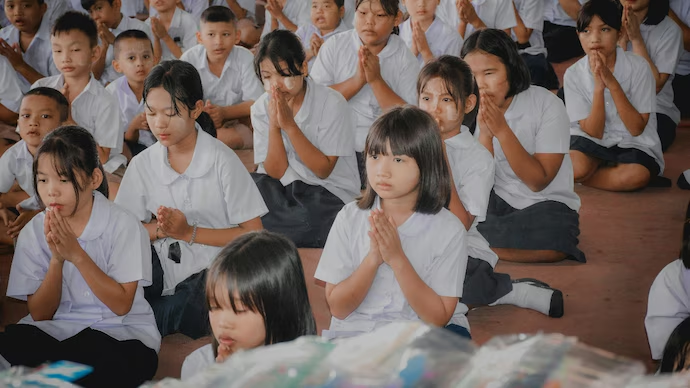
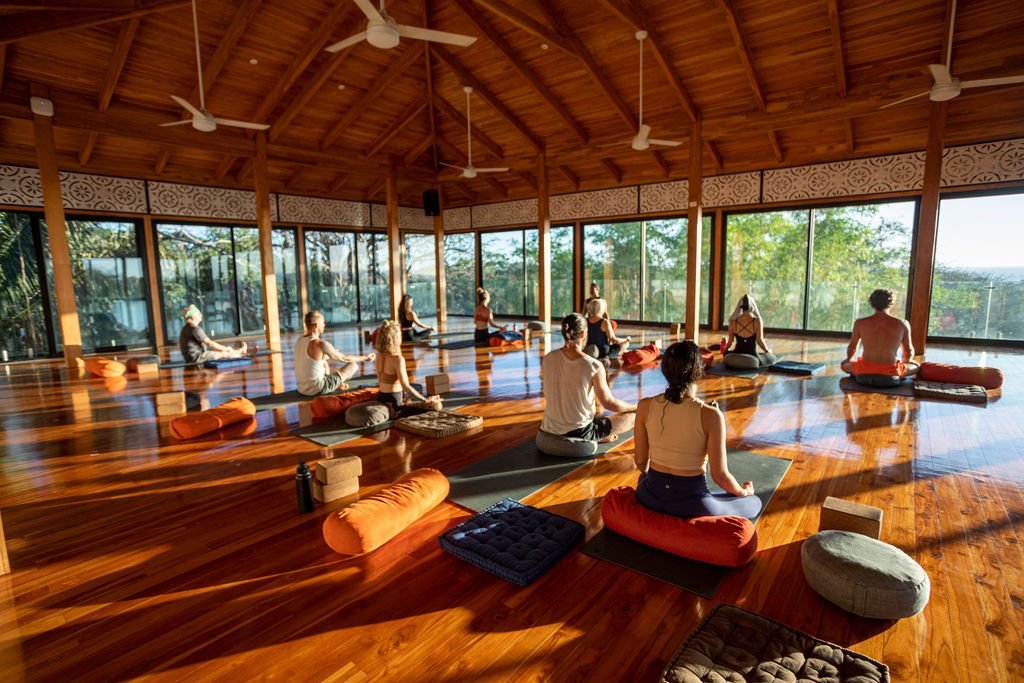
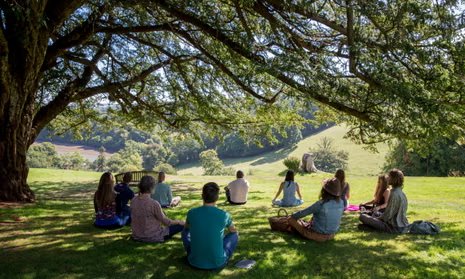
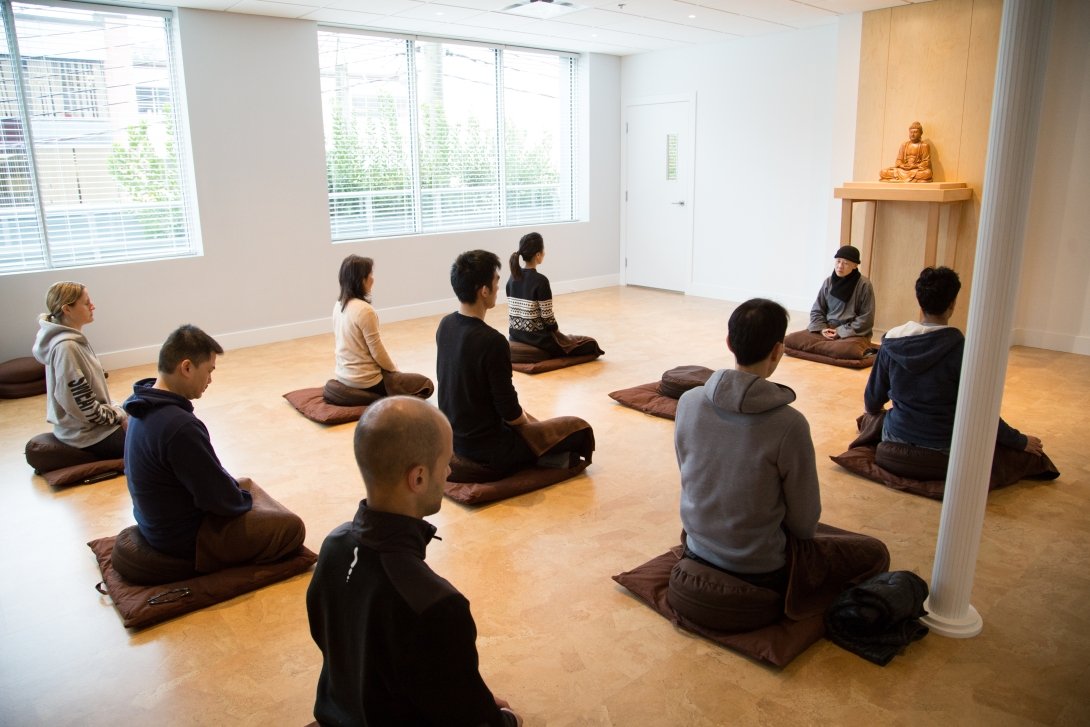
Panditarama Sydney Meditation Centre (PSMC) is committed to nurturing mindfulness, compassion, and cultural awareness among young people. Our Youth & Cultural Programs provide a safe, supportive, and engaging environment where children, teenagers, and young adults can explore meditation, Buddhist teachings, and cultural traditions.
Youth Meditation Programs
Ages
Suitable for children, teens, and young adults
Activities
Guided meditation, mindfulness exercises, group discussions, and storytelling
Goals
Develop concentration, calmness, and emotional resilience
Foster positive values such as kindness, honesty, and patience
Encourage self-awareness and healthy coping skills in daily life
Cultural Programs
Celebrate major Buddhist festivals such as Vesak, Magha Puja, and Kathina
Participate in traditional ceremonies, arts, and crafts
Learn about Buddhist history, ethics, and rituals in an interactive way
Develop appreciation for cultural heritage and community values
Community Engagement
Youth participants are encouraged to contribute to the Centre through volunteering, helping with events, or assisting in the daily functioning of the monastery
Programs are designed to strengthen a sense of community, responsibility, and respect
Program Benefits
Enhance mindfulness and emotional wellbeing
Build cultural knowledge and understanding
Promote ethical conduct and compassionate action
Create lasting friendships in a supportive, non-judgmental environment
Join Us
Youth and families are welcome to participate in regular programs and special events throughout the year. These programs provide an opportunity to explore meditation, cultural heritage, and community service while developing lifelong skills for personal growth.
Youth & Cultural Programs: (Age 5-15)
Burmese Classes
2026 Program coming soon
Basic Introduction to Buddhism & meditation
2026 Program coming soon
Mind, Body & Soul
2026 Program coming soon
How to live in accordance with Buddha Teaching
2026 Program coming soon
Youth & Cultural Programs: (Age 16-25)
Group Discussions on Modern Buddhism
Talks on Dhamma applied to relationships, career, and daily life.
Vipassana Introduction
1–2 hour taster sessions or weekend workshops for beginners.
Digital Detox Meditation
Mindfulness exercises to reduce phone/computer dependency.
Meditation & Mindfulness Classes
Stress Relief & Mindfulness for Students/Young Professionals (Short, practical sessions on managing stress, exam pressure, and workplace anxiety.)
Mindful Productivity & Focus
Teach meditation techniques that improve concentration, time management, and mental clarity.
For the next 45 years, the Buddha travelled widely across northern India, sharing his teachings with anyone eager to learn—monks, nuns, farmers, royalty, merchants, and people from all walks of life. His teachings emphasised wisdom, moral conduct, mindfulness, compassion, and the potential for every being to awaken.
He established monastic communities, guided thousands of followers, and offered practical teachings that continue to resonate today. The Buddha taught in a simple and accessible manner, focusing on understanding the mind, cultivating virtue, and realising inner peace.
The First Teaching at Deer Park
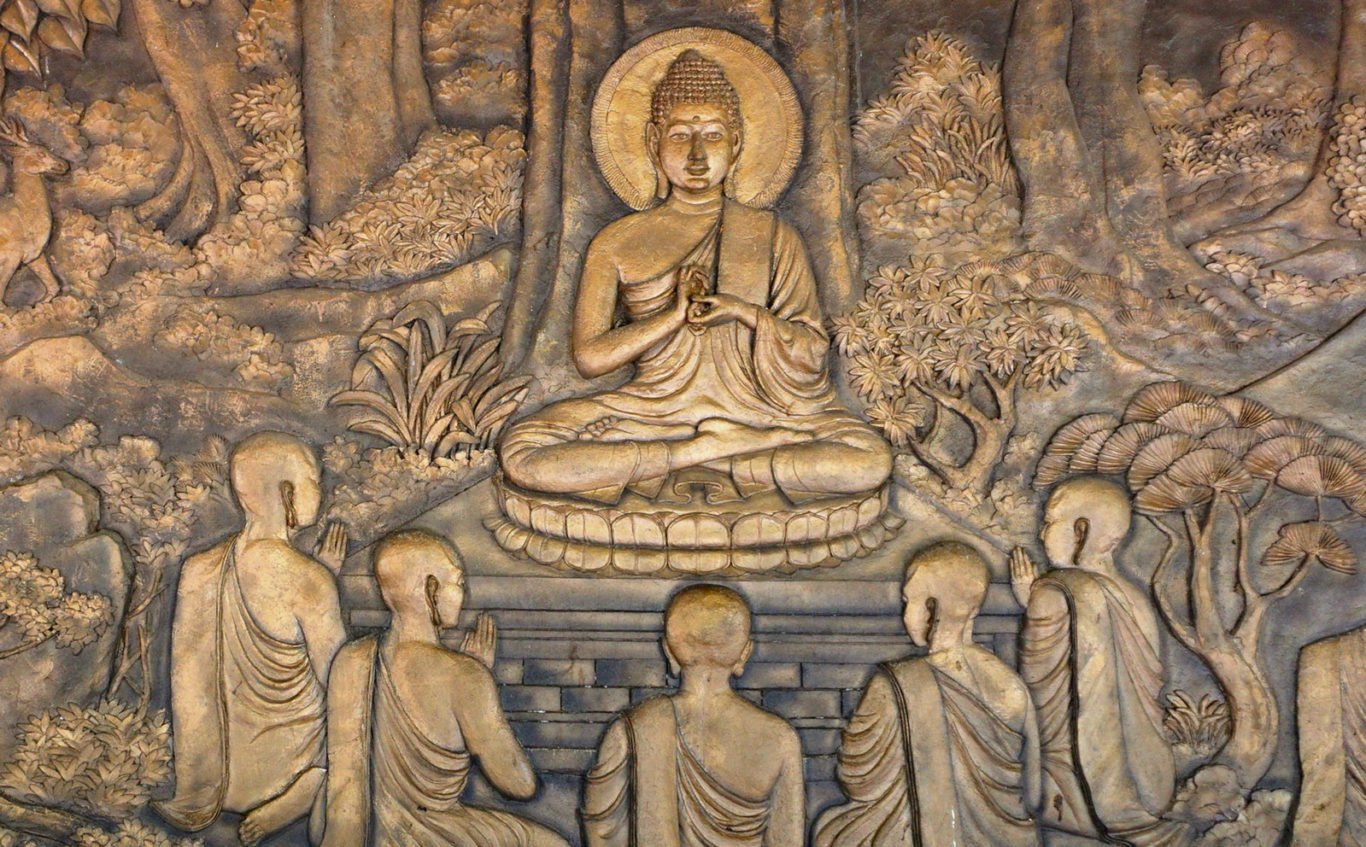
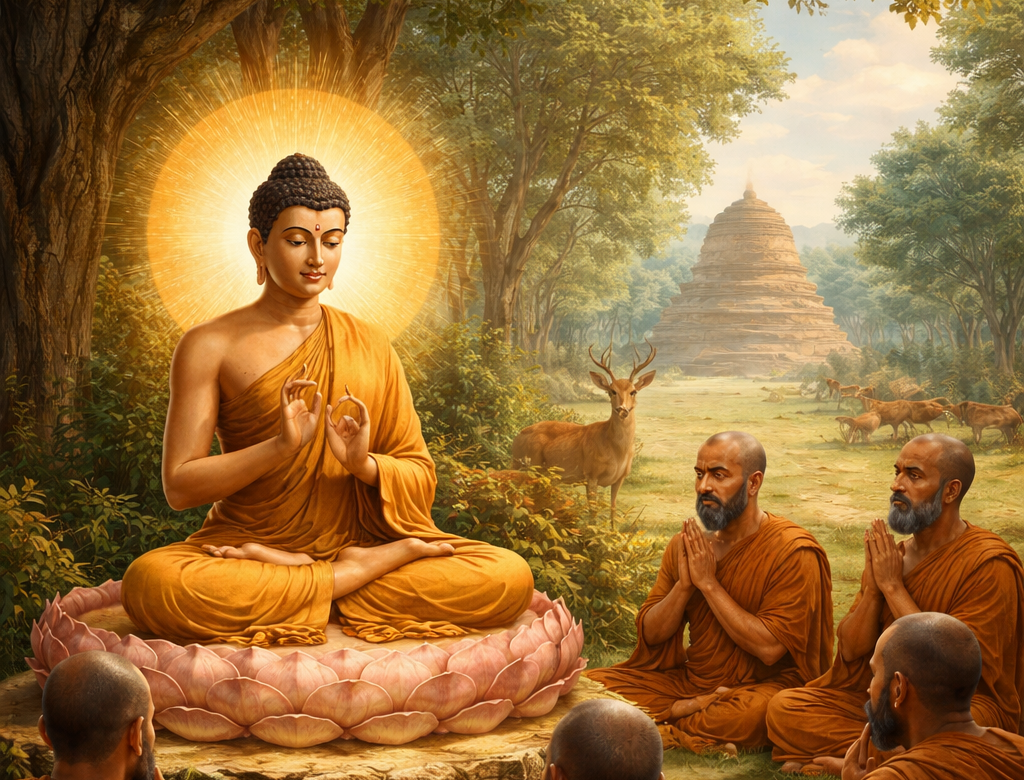
Soon after his enlightenment, the Buddha travelled to Sarnath, where he delivered his first discourse to five former companions. This teaching, known as the Dhammacakkappavattana Sutta, introduced the Four Noble Truths and the Noble Eightfold Path. With this, the Sangha—the community of monks—was born, marking the beginning of the spread of the Dhamma.
Birth and Early Life (563 BCE)
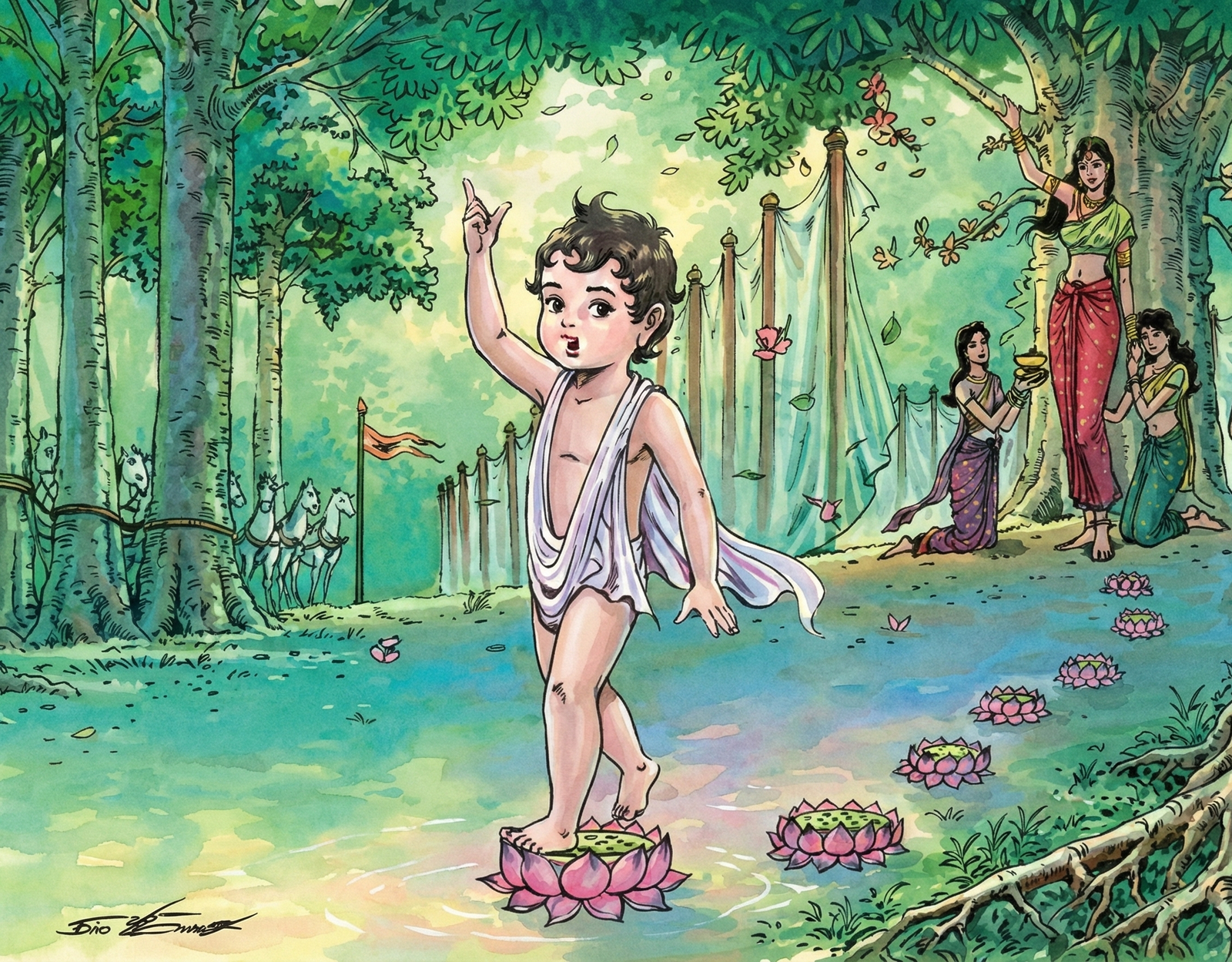
Siddhartha Gautama, who would later become the Buddha, was born around 563 BCE in Lumbini, a region that is now part of Nepal. He was born into the royal Shakya clan to King Suddhodana and Queen Maya. Tradition describes his birth as peaceful and auspicious. After his mother’s passing one week later, Siddhartha was lovingly raised by his aunt, Queen Mahapajapati.
Growing up in the city of Kapilavatthu, Siddhartha enjoyed a privileged and protected life. His father, wishing to shield him from the hardships and uncertainties of the world, ensured he received the finest education, martial training, and a life surrounded by comfort. At the age of sixteen, Siddhartha married Princess Yasodhara, and together they had a son named Rahula.