Frequently Asked Questions

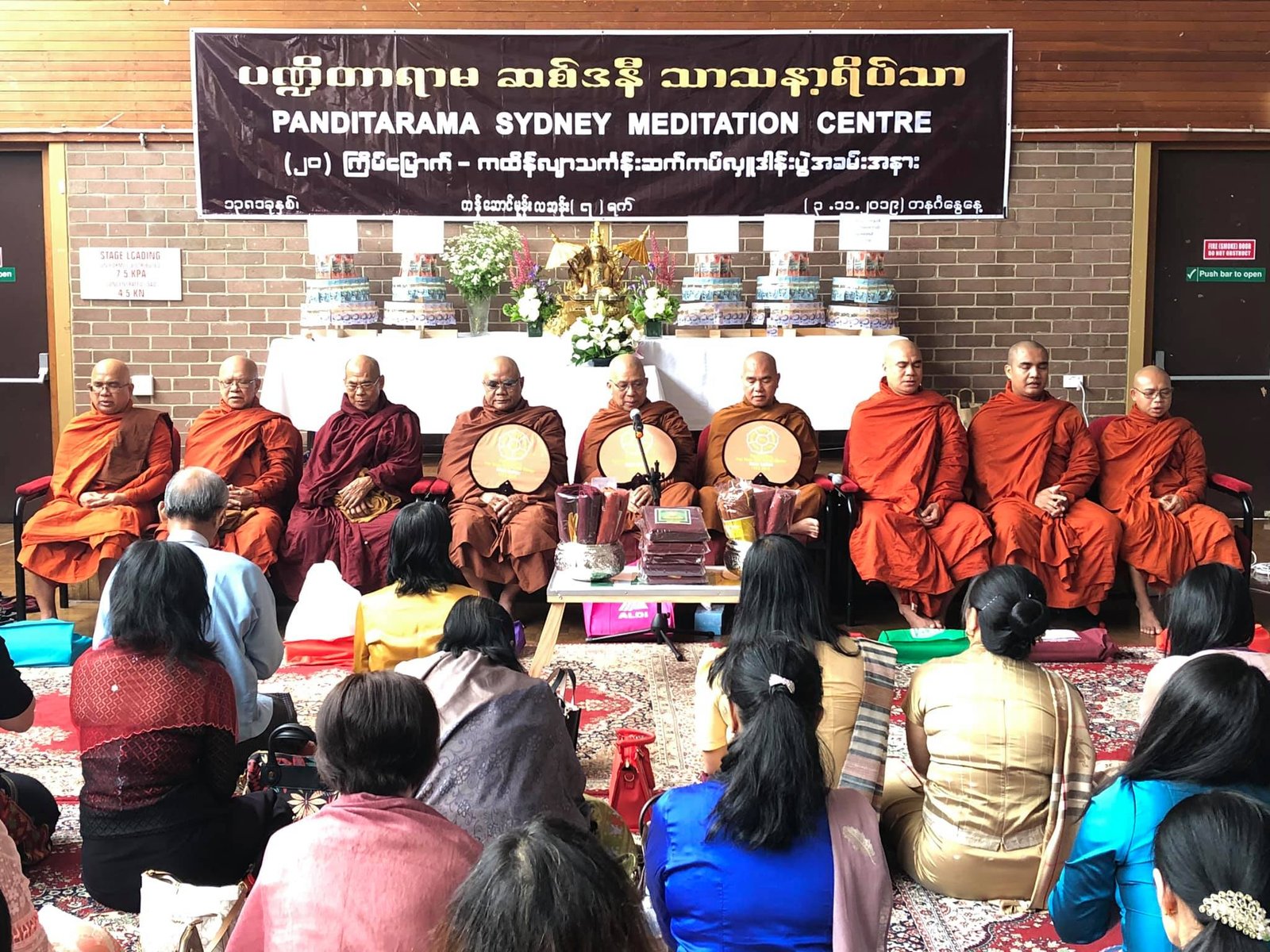
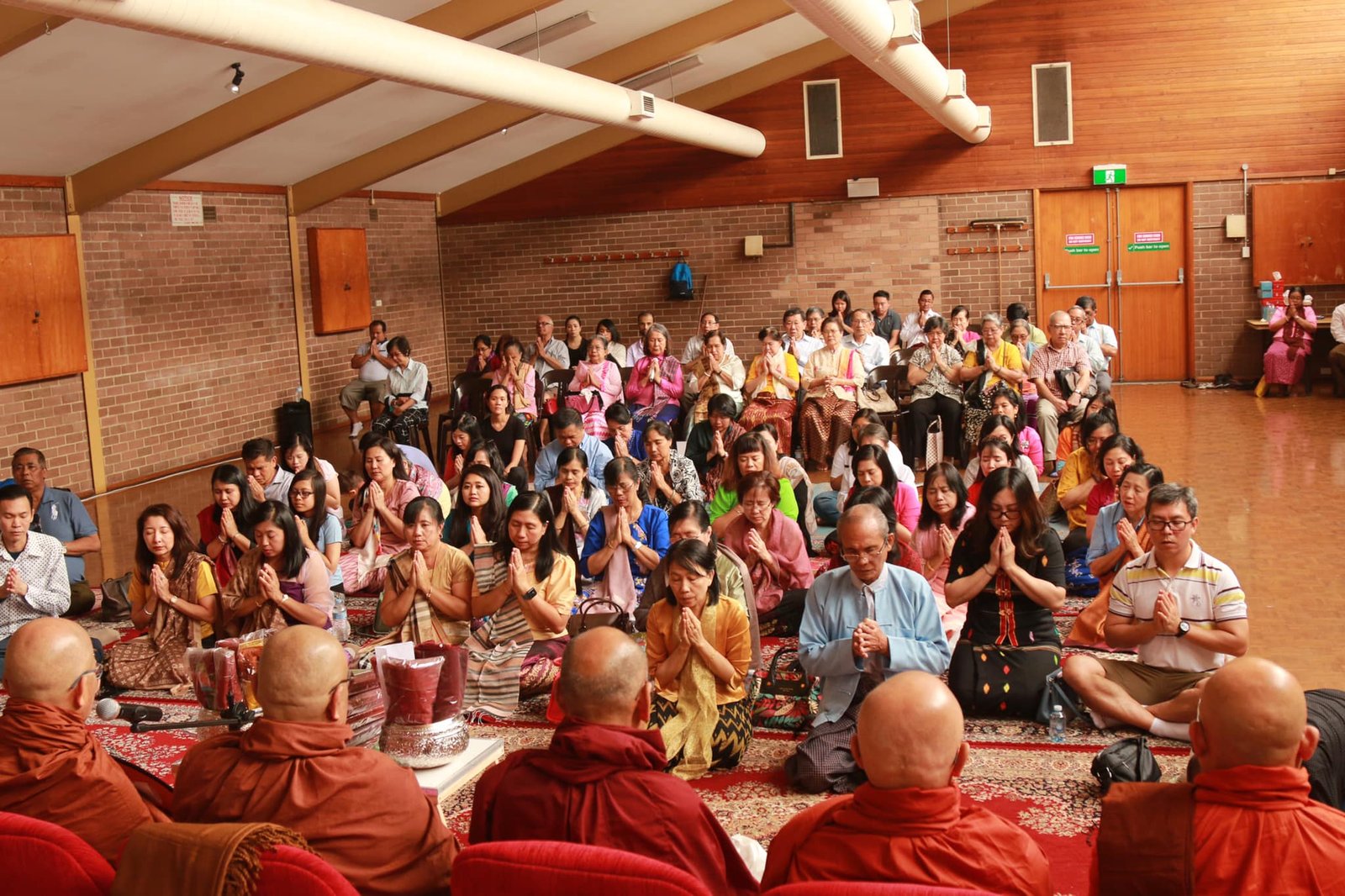
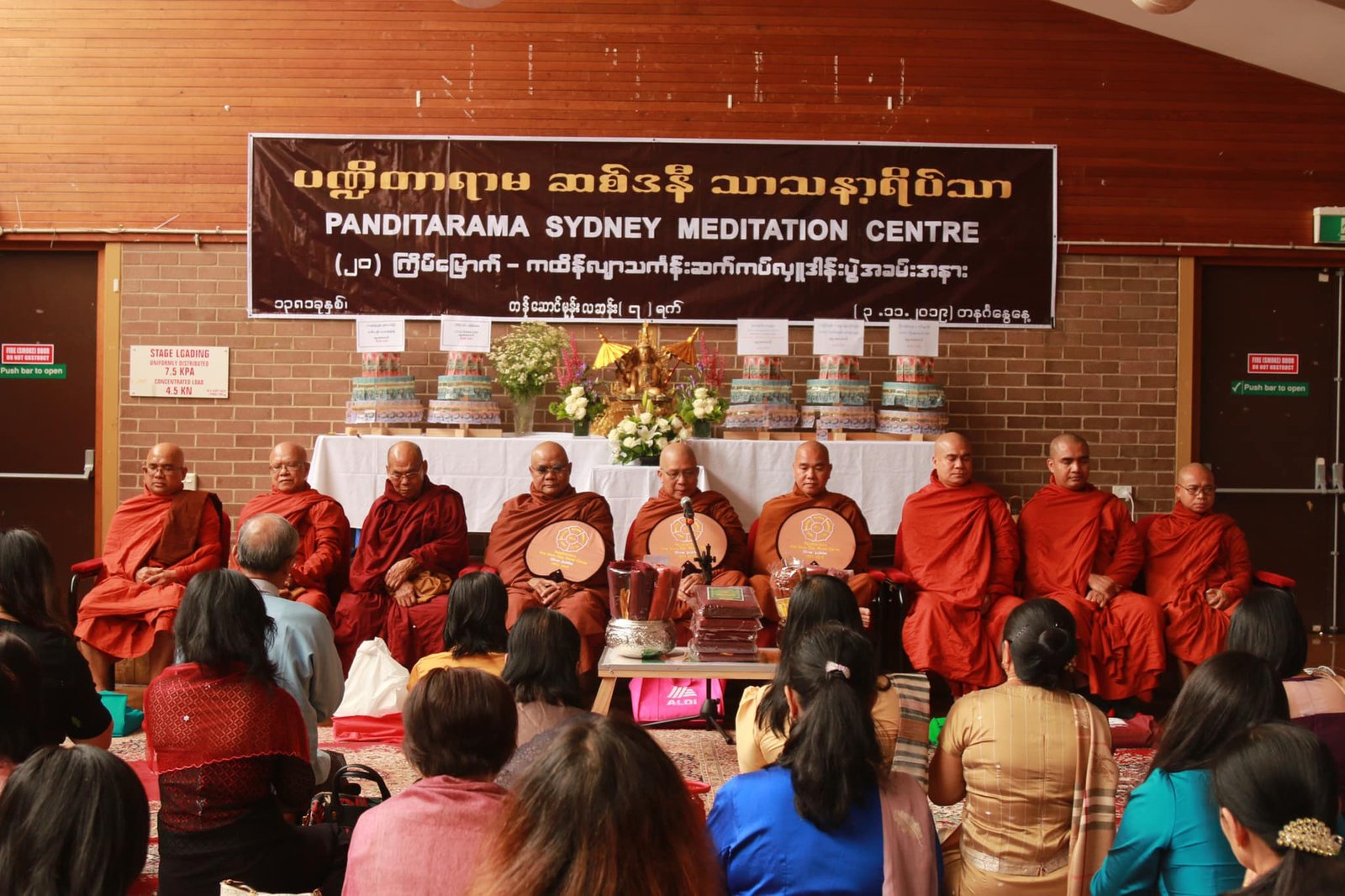
Panditarama Sydney Meditation Centre (PSMC) welcomes visitors seeking peace, meditation, and Dhamma learning. Whether you are joining a meditation session, a retreat, or visiting for personal practice, the following information will help you plan your visit.

1. Location & Arrival
  • Address:21-31 Redmayne Road, Horsley Park, NSW 2175
  • PSMC is located on a quiet 4.5-acre property, away from city noise but easily accessible from Greater Western Sydney.
  • Parking: On-site parking is available. Large group visits should notify the Centre in advance.
  • Visitors are welcome during scheduled meditation sessionsand retreats.
  • Regular Sunday Meditation:1:00 p.m. – 6:00 p.m.
  • Please notify the Centre in advanceif you plan to visit.
  • PSMC provides simple and comfortable accommodationfor retreat participants.
  • Rooms are shared; separate arrangements are available for male and female participants.
  • Sleeping arrangements:Bring your own pillow, blankets, and personal necessities.
  • Quiet and mindfulness:Accommodation areas are designed to support meditation practice and reflection.
  • Two mealsare provided daily: breakfast and lunch.
  • Meals are healthy, balanced, and in accordance with Theravada Buddhist tradition.
  • Tea, water, and light refreshments are available during breaks.
  • Visitors with specific dietary needs are requested to inform the Centre in advance.
  • Comfortable, modest clothing suitable for meditation
  • Pillow and blankets for overnight stays
  • Personal toiletries and medication
  • Water bottle
  • Journal or notebook (optional, for Dhamma notes)
  • Observe Noble Silenceduring meditation retreats.
  • Follow instructions from the teachers and monks.
  • Maintain mindfulness and respectin all areas of the Centre.
  • Avoid using phones or electronic devices in meditation halls.
  • Advance registration is required for retreats and overnight stays.
  • Spaces are limited, so early booking is recommended.
  • For inquiries and bookings, contact: 
  • PSMC is accessible by car, with ample parking.
  • Public transport is available to Horsley Park; visitors are advised to check routes in advance.
  • The Centre is non-profit, funded by donations and volunteer support.
  • Guests are encouraged to participate in daily chores and volunteer activitiesif they wish.
  • Visitors are also welcome to attend Dhamma talks, meditation sessions, and cultural events.

Code of Conduct / Guidelines for Visitors

Visitor Guidelines & Code of Conduct

At Panditarama Sydney Meditation Centre (PSMC), we aim to maintain a peaceful, mindful, and respectful environment for everyone. These guidelines help all visitors, meditators, and guests experience the Centre fully while supporting the practice of meditation and the Dhamma.

1. Respect the Centre and its Community
  • Speak and act respectfullyto all visitors, volunteers, and Sangha.
  • Follow instructionsfrom the monks, teachers, and retreat leaders.
  • Treat all buildings, gardens, and meditation spaces with care.
  • Wear modest, comfortable clothingthat covers shoulders and knees.
  • Avoid tight, revealing, or distracting clothing.
  • Remove shoes when entering meditation halls and sacred spaces.
  • Maintain quiet and mindfulnessin meditation areas.
  • Use Noble Silenceduring retreats and meditation sessions.
  • Speak only when necessaryand quietly, respecting others’ practice.
  • Arrive on timefor sessions and activities.
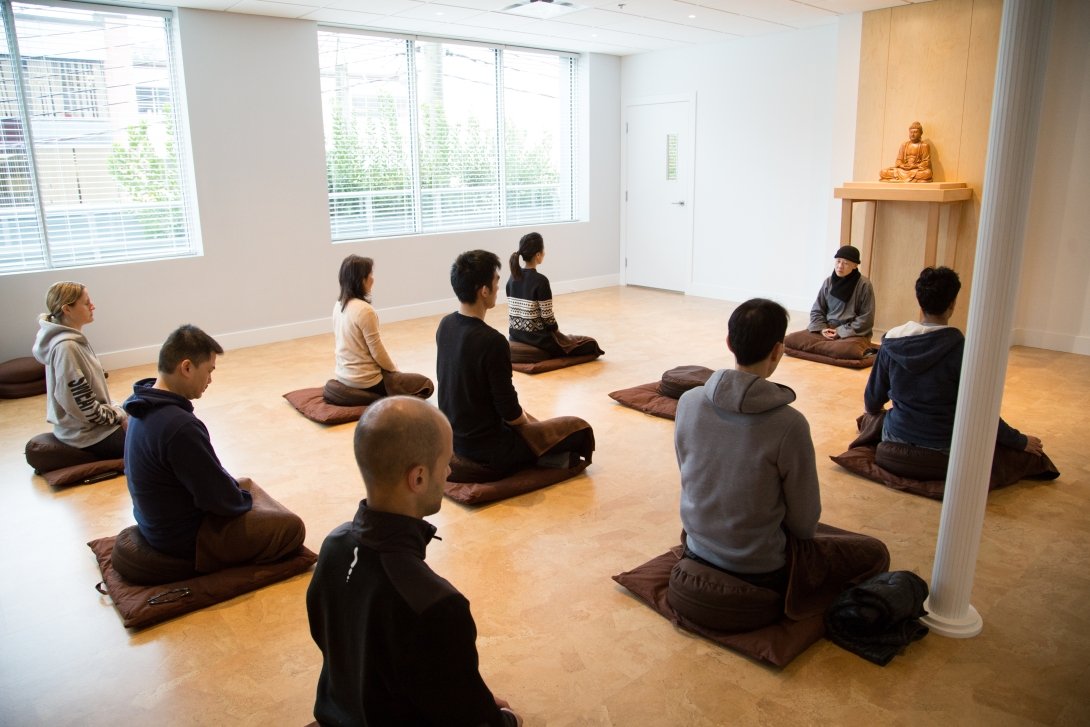
  • Sit mindfullyin meditation halls or designated areas.
  • Use meditation cushions, chairs, or mats appropriately.
  • Refrain from interrupting or distracting others.
  • Mobile phones and electronic devicesshould be switched off or set to silent mode.
  • Limit phone calls, messaging, and internet use during your visit.
  • Keep communication with the outside world to a minimum during retreats.
  • Inform the Centre of any medical conditionsthat may affect your stay.
  • Walk carefully in halls, gardens, and stairs.
  • Follow safety instructions when using facilities or participating in activities.
  • Respect the scheduleof meditation, Dhamma talks, and retreats.
  • Participate in group activities, volunteer opportunities, and communal meals
  • Ask questions politely during Dhamma talks or personal interviews with teachers.
  • Maintain mindfulness while eating; avoid wasting food.
  • mealsare served in accordance with Theravada tradition.
  • Eat quietlyand only in designated dining areas.
  • Children must be supervised at all times.
  • Follow age-appropriate meditation practices when participating in sessions.
  • Avoid arguments, disputes, or disruptive behavior.
  • Refrain from alcohol, drugs, and smokingon the premises.
  • Help maintain a clean and tidy environmentfor all visitors.

Summary

Visiting Panditarama Sydney Meditation Centre is an opportunity to practice mindfulness, observe the Dhamma, and cultivate inner peace. By following these guidelines, you contribute to a calm, respectful, and supportive environment for everyone.

Forty-Five Years of Teaching

For the next 45 years, the Buddha travelled widely across northern India, sharing his teachings with anyone eager to learn—monks, nuns, farmers, royalty, merchants, and people from all walks of life. His teachings emphasised wisdom, moral conduct, mindfulness, compassion, and the potential for every being to awaken.

He established monastic communities, guided thousands of followers, and offered practical teachings that continue to resonate today. The Buddha taught in a simple and accessible manner, focusing on understanding the mind, cultivating virtue, and realising inner peace.
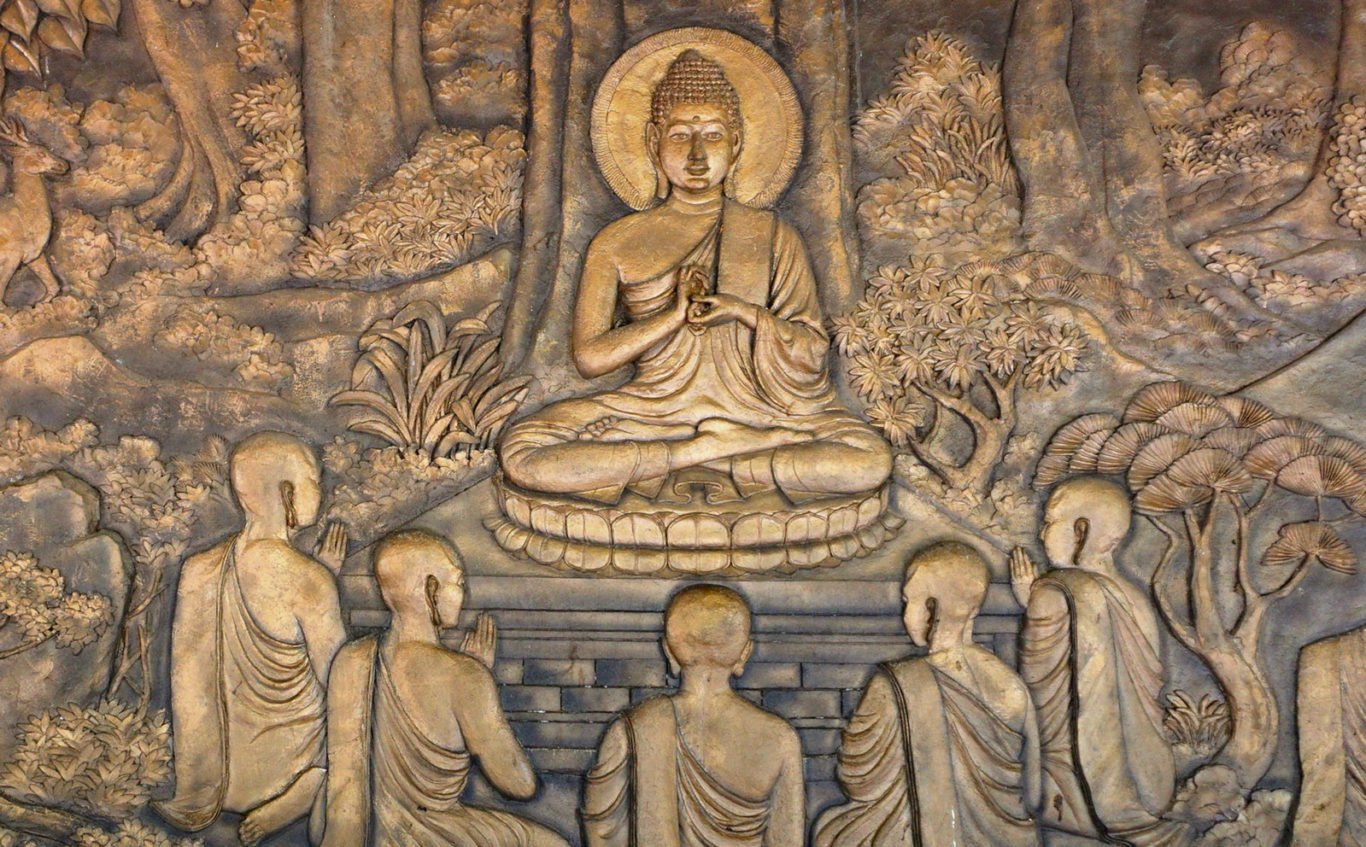
The First Teaching at Deer Park

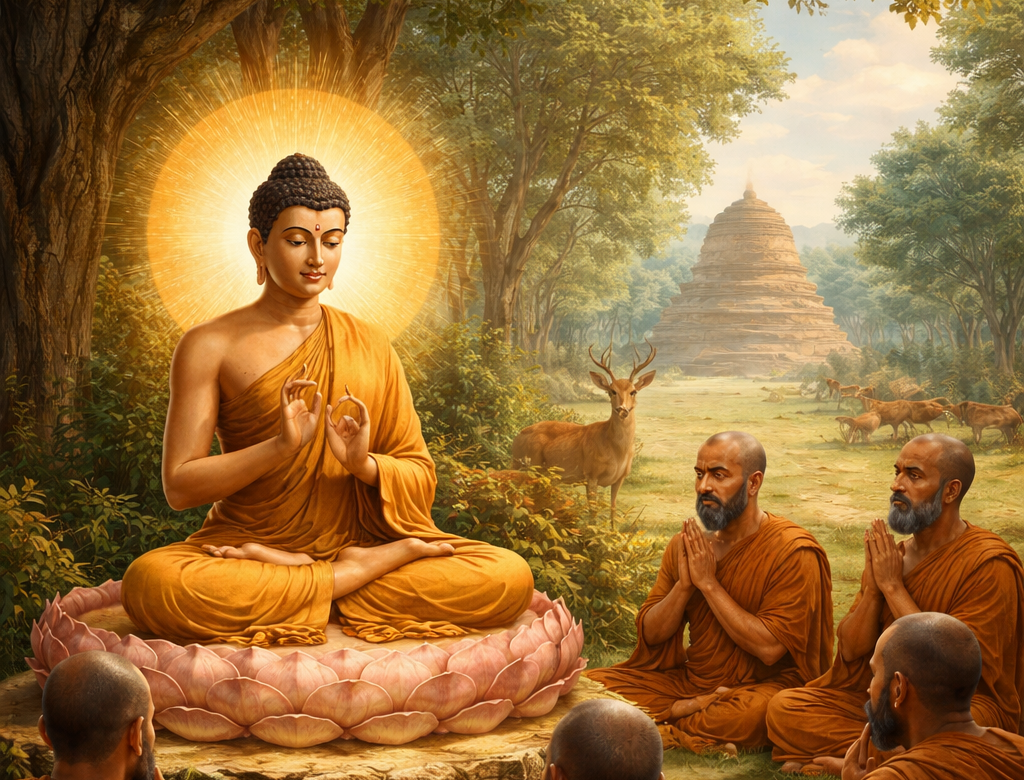
Soon after his enlightenment, the Buddha travelled to Sarnath, where he delivered his first discourse to five former companions. This teaching, known as the Dhammacakkappavattana Sutta, introduced the Four Noble Truths and the Noble Eightfold Path. With this, the Sangha—the community of monks—was born, marking the beginning of the spread of the Dhamma.
Birth and Early Life (563 BCE)

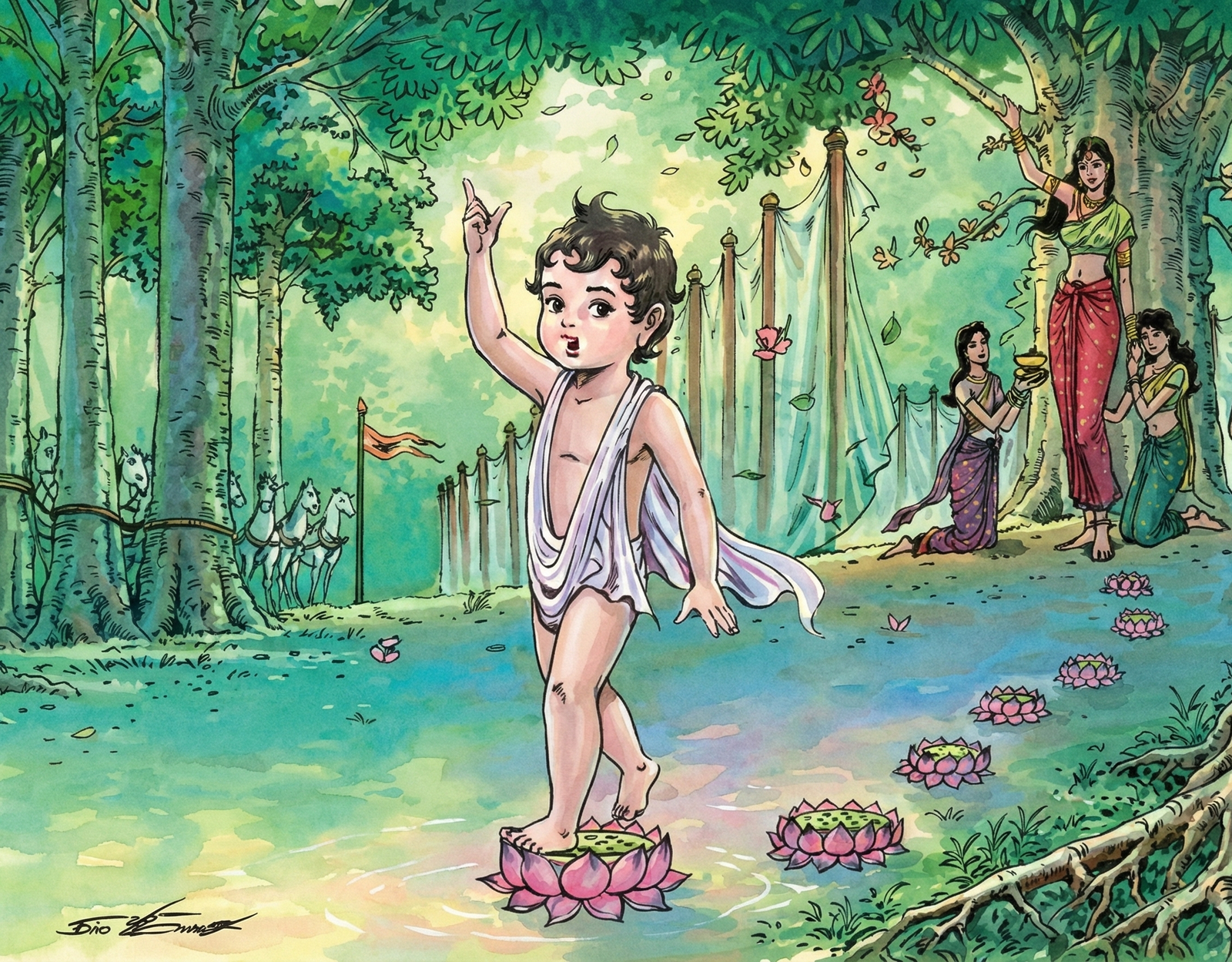
Siddhartha Gautama, who would later become the Buddha, was born around 563 BCE in Lumbini, a region that is now part of Nepal. He was born into the royal Shakya clan to King Suddhodana and Queen Maya. Tradition describes his birth as peaceful and auspicious. After his mother’s passing one week later, Siddhartha was lovingly raised by his aunt, Queen Mahapajapati.

Growing up in the city of Kapilavatthu, Siddhartha enjoyed a privileged and protected life. His father, wishing to shield him from the hardships and uncertainties of the world, ensured he received the finest education, martial training, and a life surrounded by comfort. At the age of sixteen, Siddhartha married Princess Yasodhara, and together they had a son named Rahula.