Panditarama Sydney Meditation Centre (PSMC) is committed to maintaining the highest standards of integrity, transparency, and accountability in all its activities.
The purpose of this policy is to ensure that actual, potential, or perceived conflicts of interest are identified, disclosed, and managed appropriately so that decisions are made in the best interests of PSMC and its charitable purposes.

This policy applies to all individuals involved with PSMC, including:
A conflict of interest arises when a person’s personal, financial, professional, or other interests could improperly influence, or be perceived to influence, their duties or decision-making at PSMC.
Conflicts may be:
PSMC requires that all decisions and actions be made:
All conflicts of interest must be declared, recorded, and appropriately managed.
Conflicts of interest may include, but are not limited to:
All relevant individuals must:
Disclosures must be made to:
Where a conflict of interest is identified, PSMC will manage it by one or more of the following actions:
Individuals must not accept gifts, benefits, or hospitality that:
Any gifts or benefits must be declared to the Executive Committee.
PSMC will:
Failure to disclose or appropriately manage a conflict of interest may result in:
Referral to external authorities if required
This policy will be reviewed at least every two (2) years, or earlier if required by changes in legislation, ACNC guidance, or organisational circumstances.
| Version | Date Issued | Next Review Date | Approved By |
| V.1.0 | 10 Jan 2026 | 10 Jan 2028 | Executive Committee |
We greatly appreciate and welcome your kind generosity to help support the continuous development of the centre.
© 2026 PSMC. All rights reserved.


For the next 45 years, the Buddha travelled widely across northern India, sharing his teachings with anyone eager to learn—monks, nuns, farmers, royalty, merchants, and people from all walks of life. His teachings emphasised wisdom, moral conduct, mindfulness, compassion, and the potential for every being to awaken.
He established monastic communities, guided thousands of followers, and offered practical teachings that continue to resonate today. The Buddha taught in a simple and accessible manner, focusing on understanding the mind, cultivating virtue, and realising inner peace.
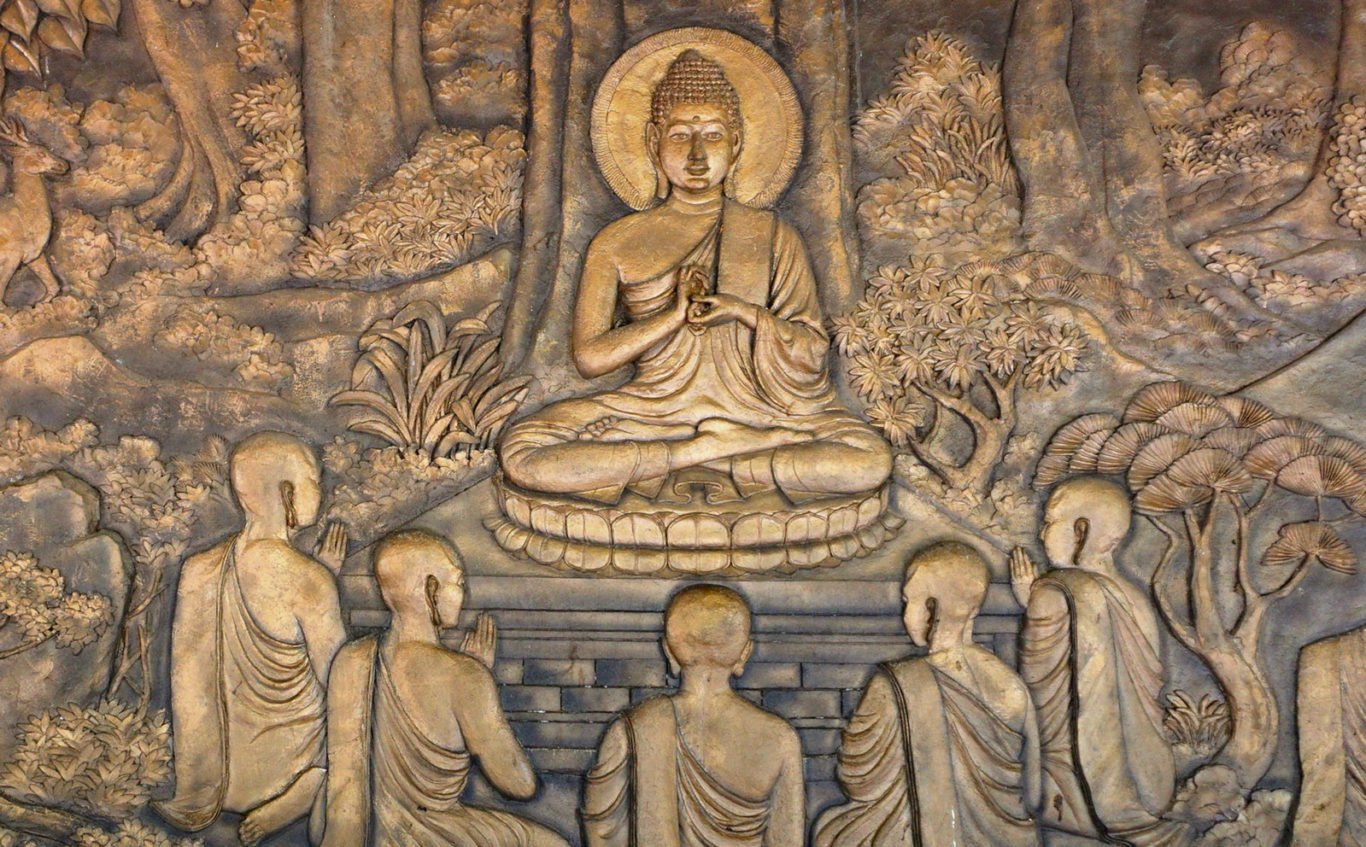
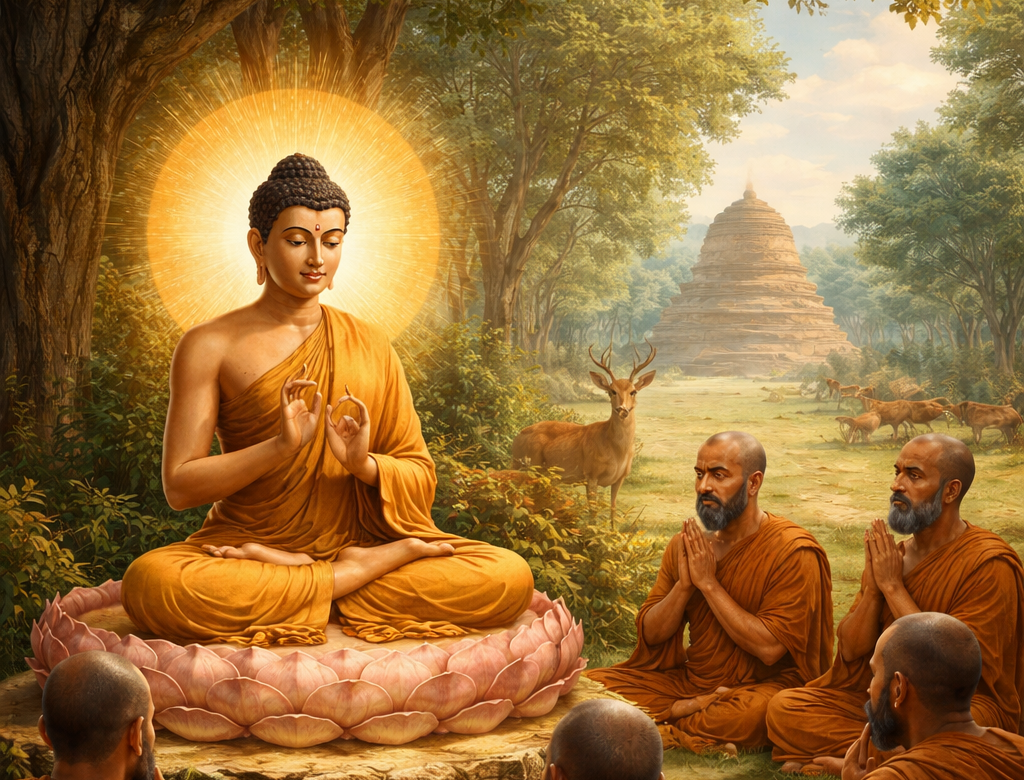
Soon after his enlightenment, the Buddha travelled to Sarnath, where he delivered his first discourse to five former companions. This teaching, known as the Dhammacakkappavattana Sutta, introduced the Four Noble Truths and the Noble Eightfold Path. With this, the Sangha—the community of monks—was born, marking the beginning of the spread of the Dhamma.


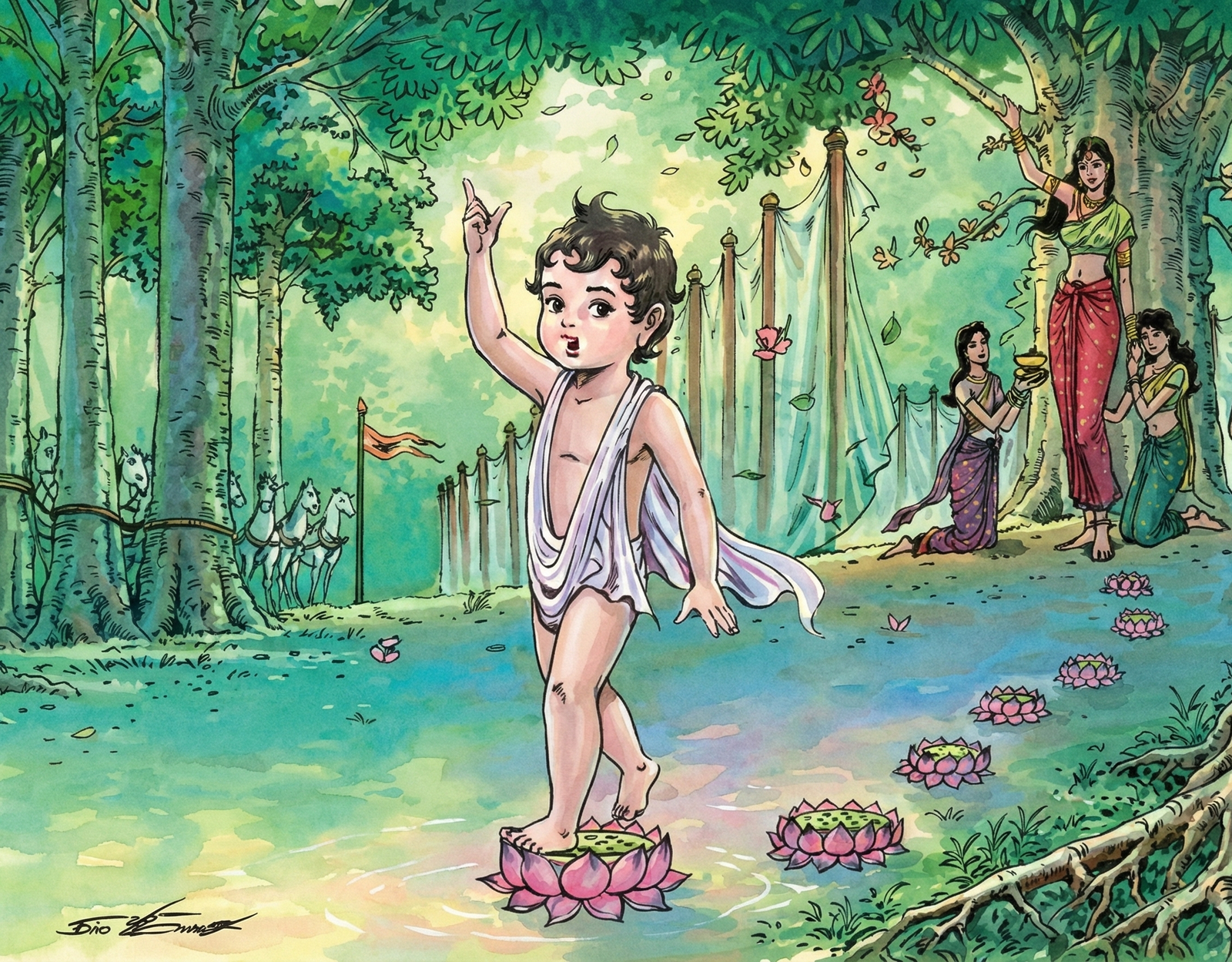
Siddhartha Gautama, who would later become the Buddha, was born around 563 BCE in Lumbini, a region that is now part of Nepal. He was born into the royal Shakya clan to King Suddhodana and Queen Maya. Tradition describes his birth as peaceful and auspicious. After his mother’s passing one week later, Siddhartha was lovingly raised by his aunt, Queen Mahapajapati.
Growing up in the city of Kapilavatthu, Siddhartha enjoyed a privileged and protected life. His father, wishing to shield him from the hardships and uncertainties of the world, ensured he received the finest education, martial training, and a life surrounded by comfort. At the age of sixteen, Siddhartha married Princess Yasodhara, and together they had a son named Rahula.