Buddhism is a path of awareness and compassion, one that speaks to modern life just as clearly as it did over 2,500 years ago.
At some point, many of us find ourselves wondering:
Buddhism offers simple, yet profound answers to these questions. Each core teaching is a doorway leading towards a wiser and more peaceful way of living.
The heart of the Buddha’s teachings lies in the Four Noble Truths. They offer a clear framework for understanding life, suffering, and the path to true and lasting peace.
Life involves suffering and dissatisfaction. This may appear as:
Buddhism makes us aware of suffering, not to make us pessimistic, but so we will seek a way to liberate ourselves from it.
The Buddha taught that suffering arises from craving and ignorance. We suffer not because life is difficult, but because we resist its changing nature and misunderstand how things truly are.
Suffering can end completely. As we let go of our craving, ignorance and ill will, we experience true happiness and peace.
The Buddha taught that there is a balanced and practical path leading to the end of suffering, known as the Noble Eightfold Path or the Middle Way.
Karma means intentional action. It is not fate or punishment, but a natural process of cause and effect.
Our thoughts, words, and actions shape our experience. Those rooted in kindness, honesty, and mindfulness tend to lead to peace. Those rooted in greed, anger, or confusion tend to lead to suffering.
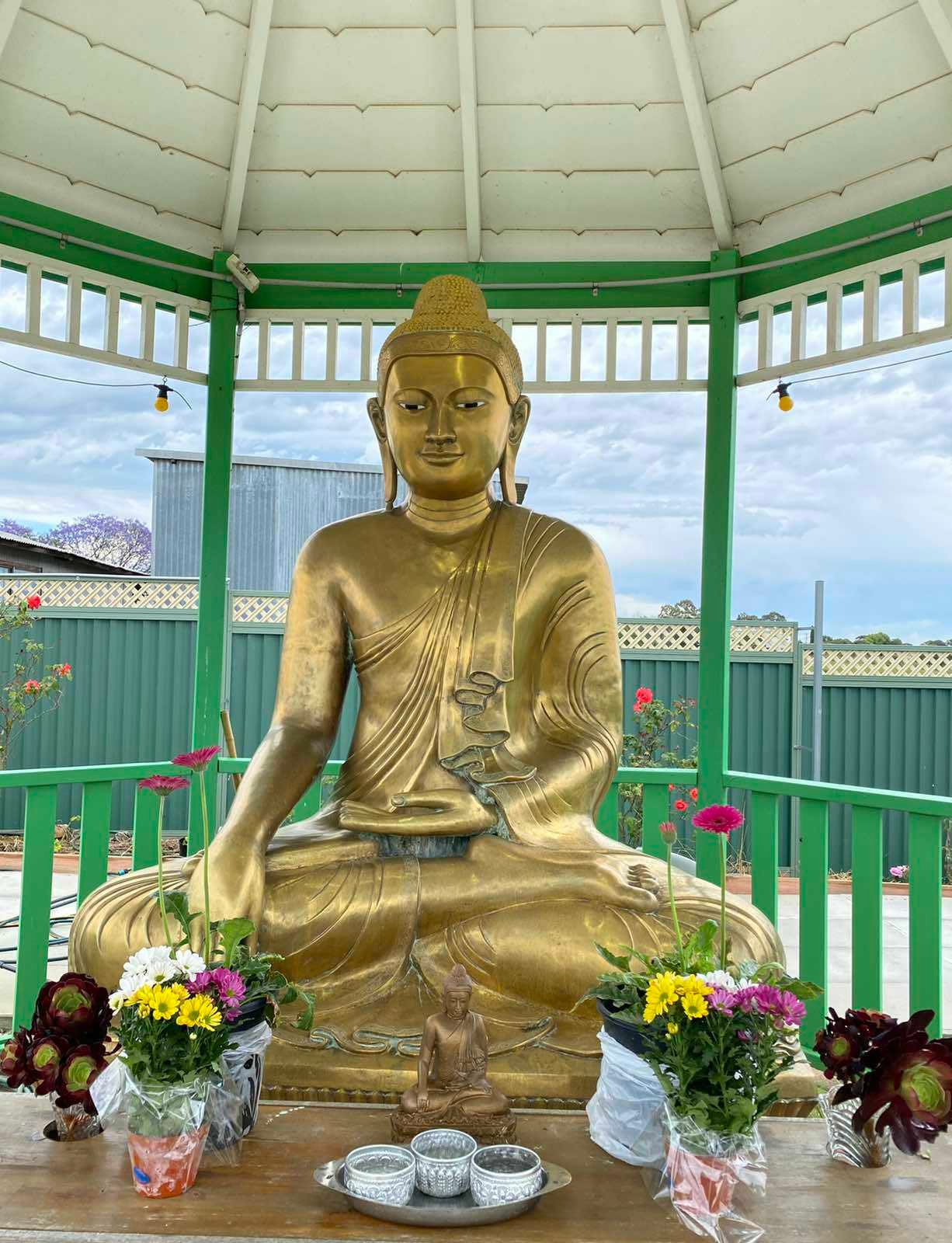
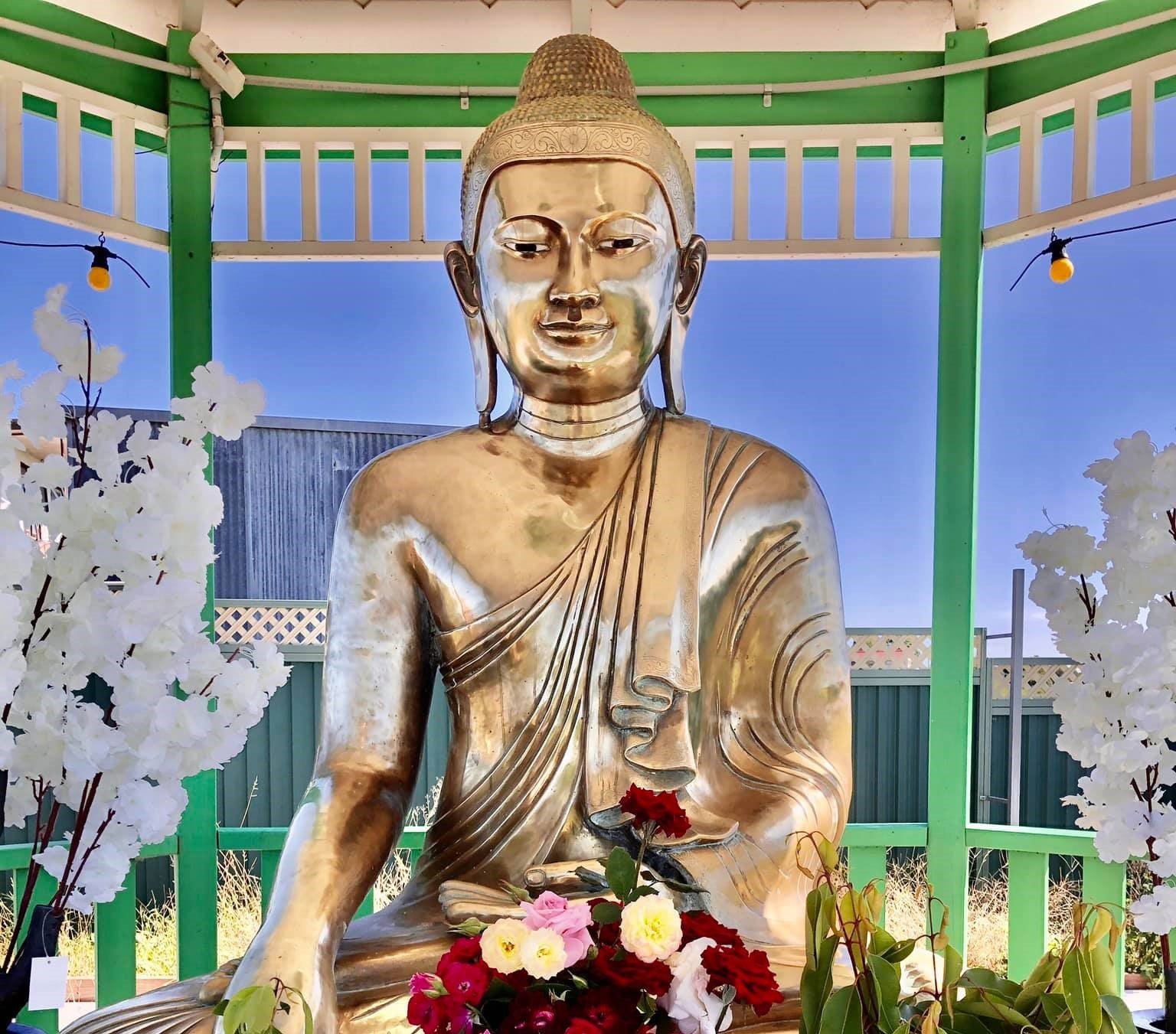
The Buddha is the perfect example of wisdom, morality, and compassion. By reflecting on His virtues, we cultivate positive mental states and inspiration to follow the path. Key qualities include:
Benefits of Buddhanussati: Reflecting on the Buddha’s virtues can increase faith, joy, confidence, and mental clarity, preparing the mind for deeper insight meditation.
The Dhamma is the Buddha’s teaching—the path to understanding life and ending suffering. It is practical, timeless, and applicable to everyone.
The Dhamma is:
Benefits of Dhammanussati: Regular reflection on the Dhamma reduces greed, hatred, and delusion, strengthens mindfulness, and supports insight into the nature of reality.
The Sangha is the community of noble practitioners who follow the Buddha’s path. It includes:
The Sangha’s virtues include:
Benefits of Sanghanussati: Reflecting on the Sangha inspires respect, faith, and joy. It encourages perseverance, reduces fear and restlessness, and provides a foundation for insight meditation.
By regularly reflecting on the Buddha, Dhamma, and Sangha, one cultivates faith, clarity, and compassion. This prepares the mind for deeper meditation, personal transformation, and the ultimate goal of Nibbana—freedom from suffering.

We greatly appreciate and welcome your kind generosity to help support the continuous development of the centre.
© 2026 PSMC. All rights reserved.


For the next 45 years, the Buddha travelled widely across northern India, sharing his teachings with anyone eager to learn—monks, nuns, farmers, royalty, merchants, and people from all walks of life. His teachings emphasised wisdom, moral conduct, mindfulness, compassion, and the potential for every being to awaken.
He established monastic communities, guided thousands of followers, and offered practical teachings that continue to resonate today. The Buddha taught in a simple and accessible manner, focusing on understanding the mind, cultivating virtue, and realising inner peace.
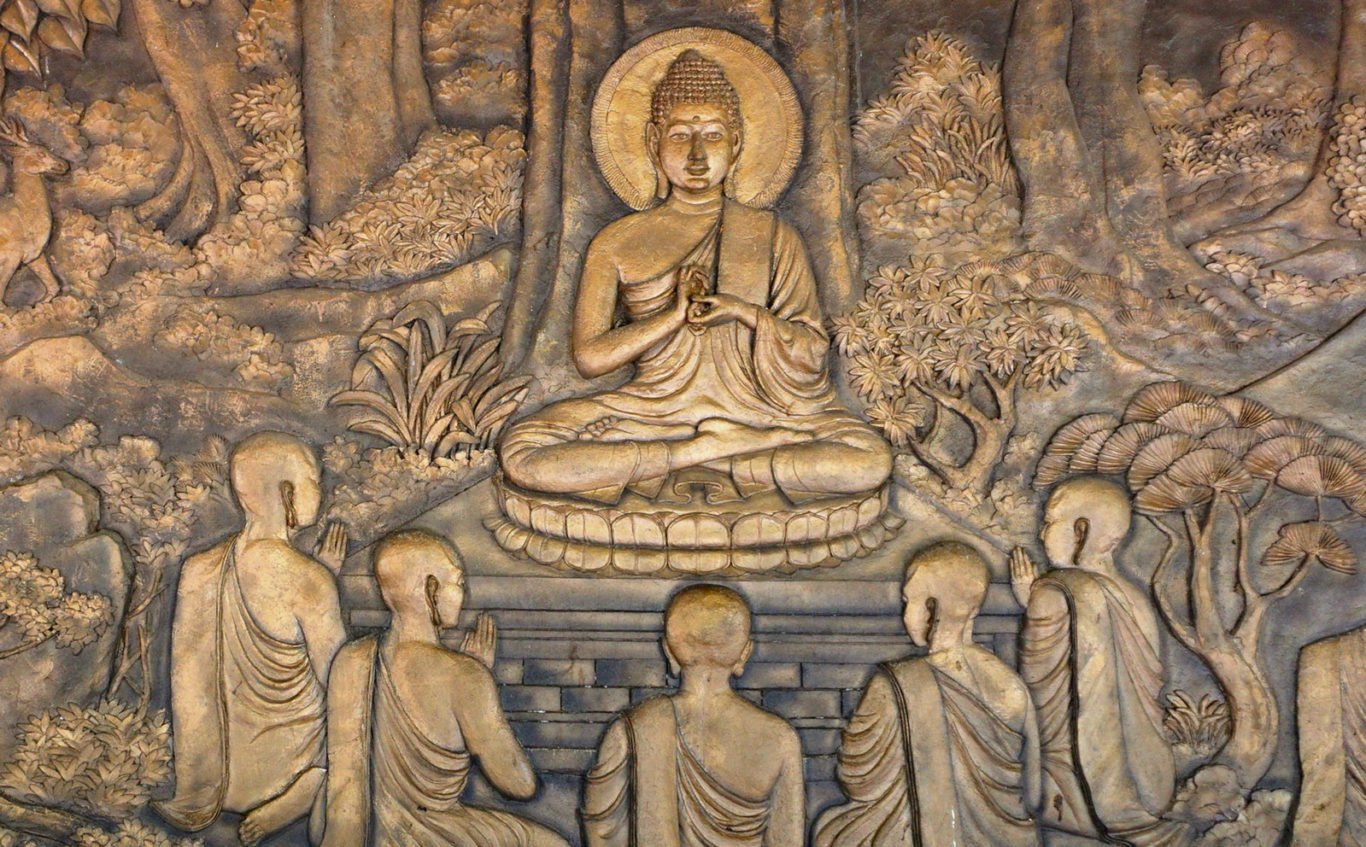
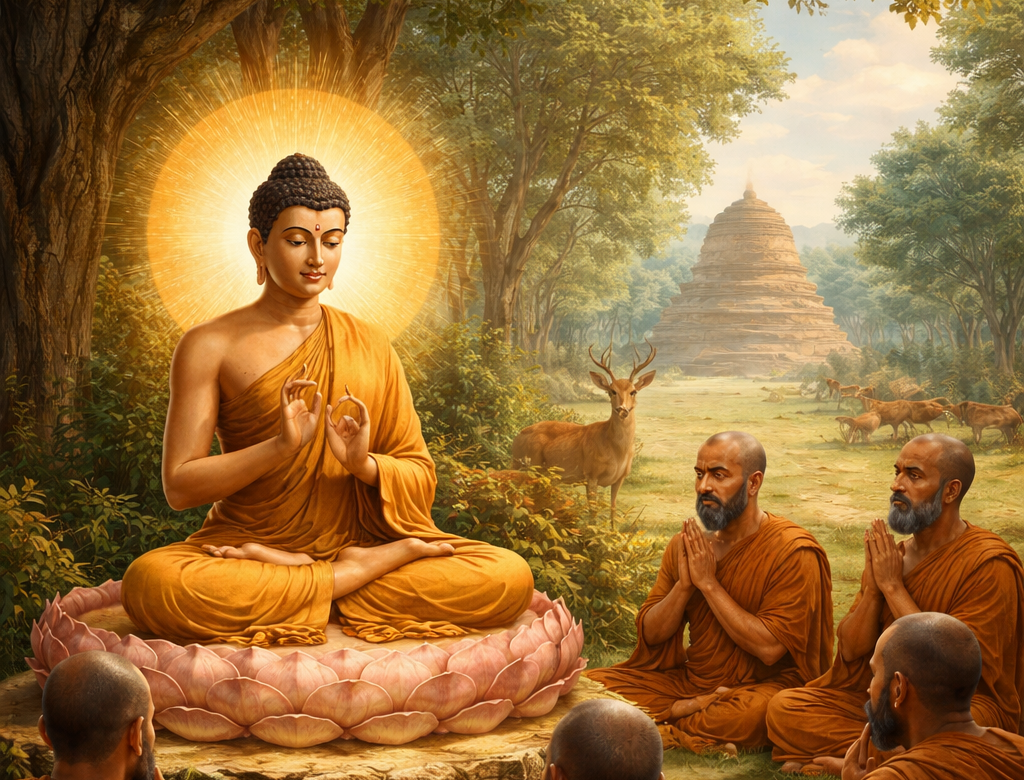
Soon after his enlightenment, the Buddha travelled to Sarnath, where he delivered his first discourse to five former companions. This teaching, known as the Dhammacakkappavattana Sutta, introduced the Four Noble Truths and the Noble Eightfold Path. With this, the Sangha—the community of monks—was born, marking the beginning of the spread of the Dhamma.


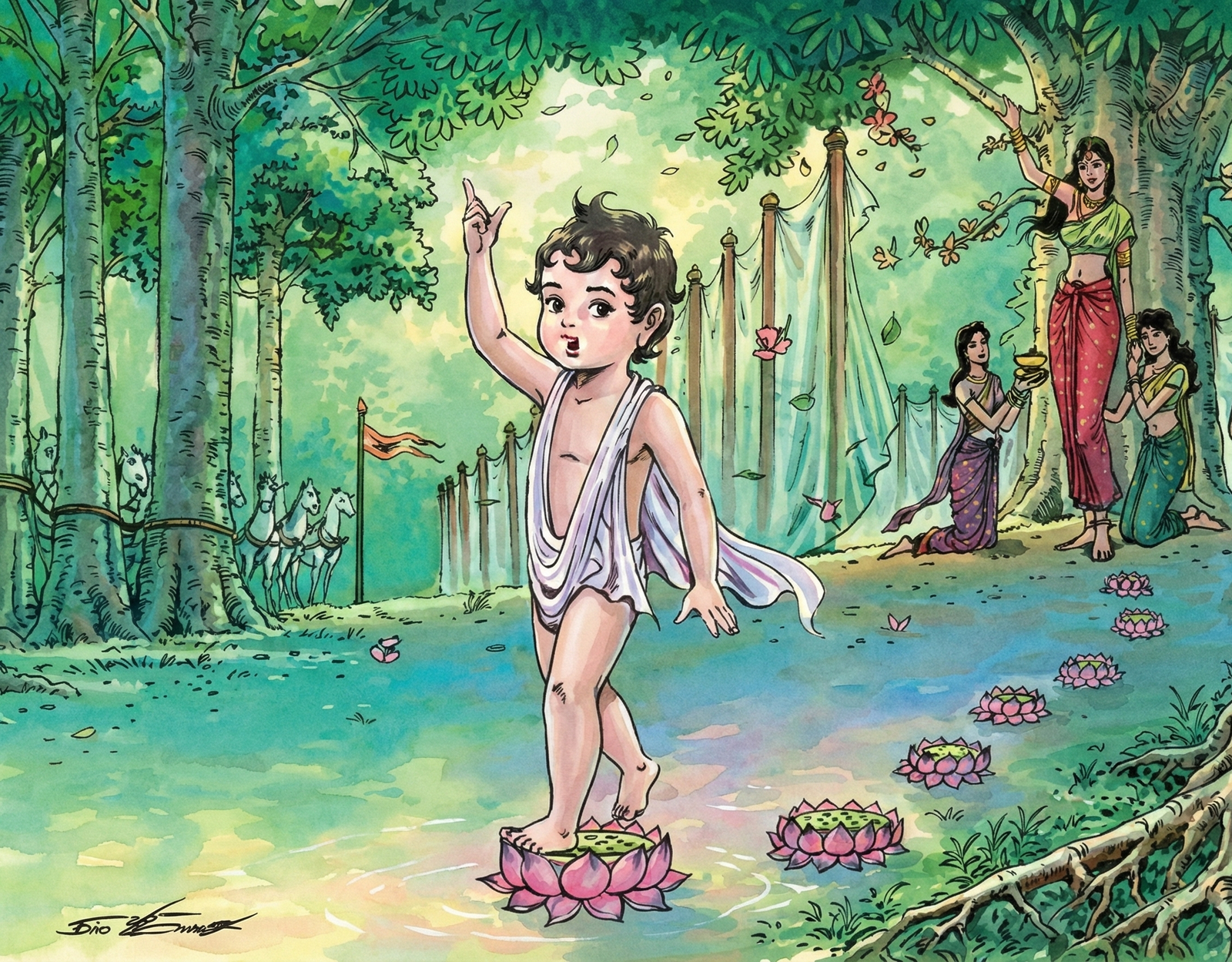
Siddhartha Gautama, who would later become the Buddha, was born around 563 BCE in Lumbini, a region that is now part of Nepal. He was born into the royal Shakya clan to King Suddhodana and Queen Maya. Tradition describes his birth as peaceful and auspicious. After his mother’s passing one week later, Siddhartha was lovingly raised by his aunt, Queen Mahapajapati.
Growing up in the city of Kapilavatthu, Siddhartha enjoyed a privileged and protected life. His father, wishing to shield him from the hardships and uncertainties of the world, ensured he received the finest education, martial training, and a life surrounded by comfort. At the age of sixteen, Siddhartha married Princess Yasodhara, and together they had a son named Rahula.