History & Lineage

Our History

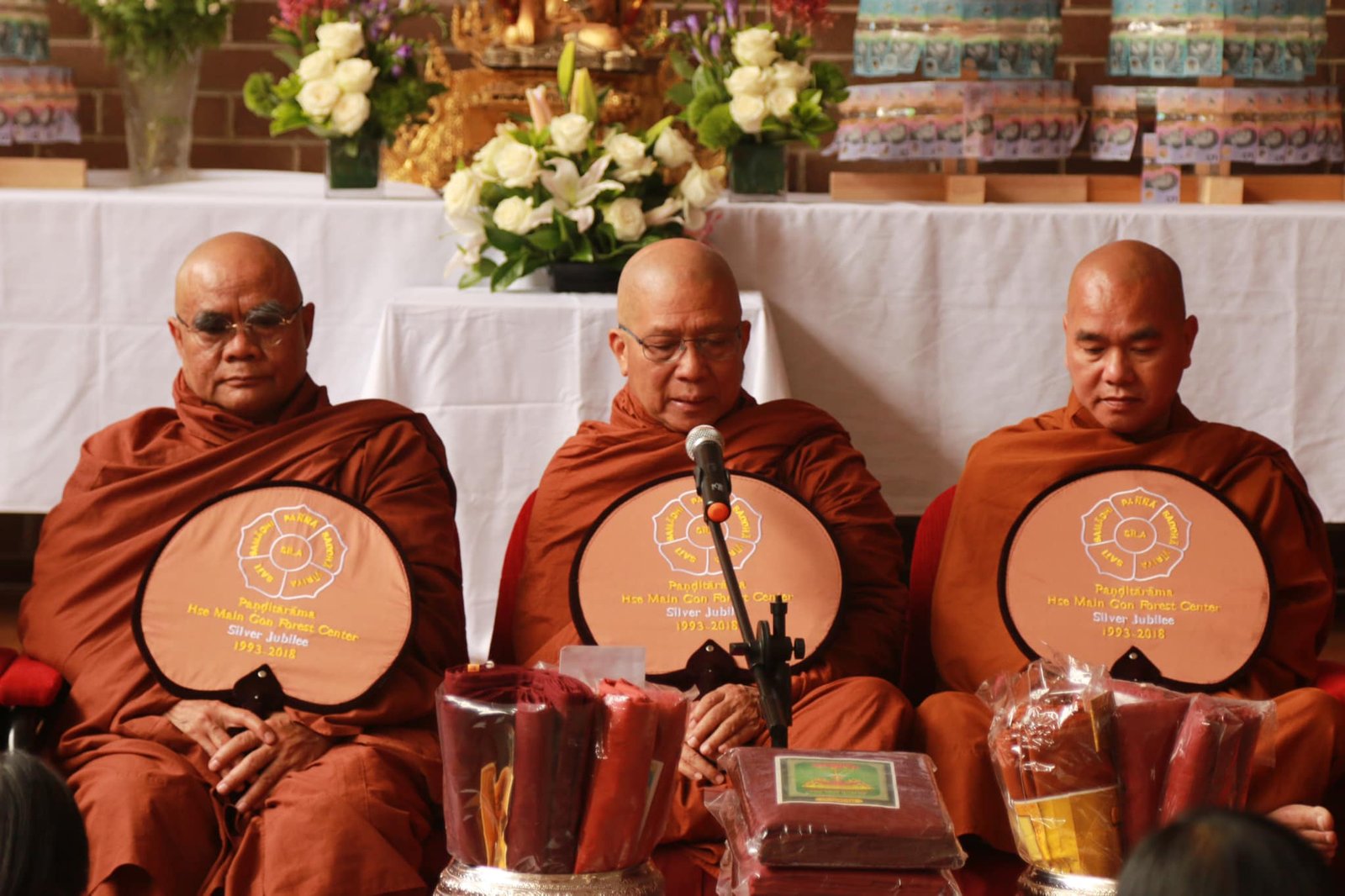
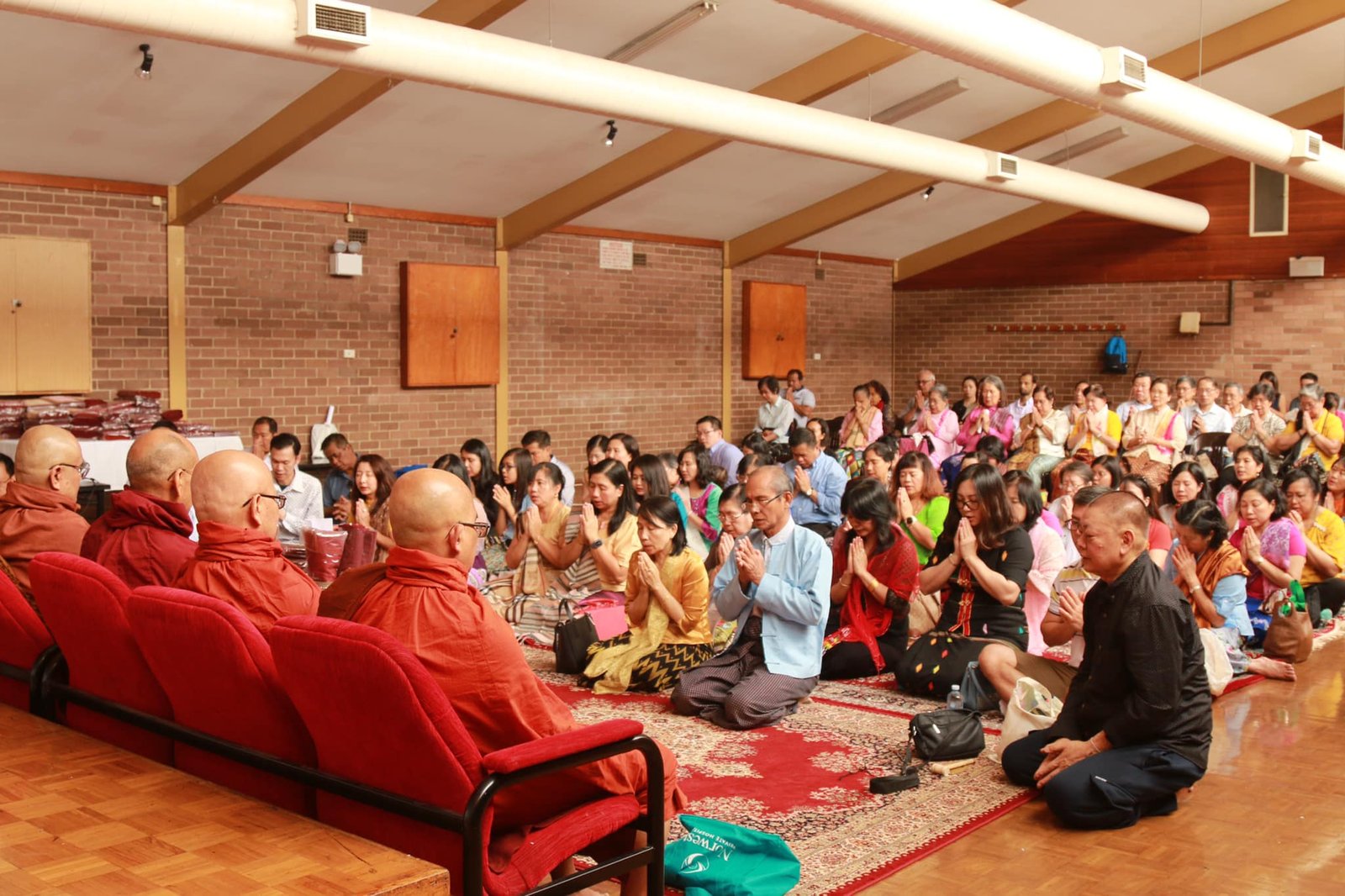
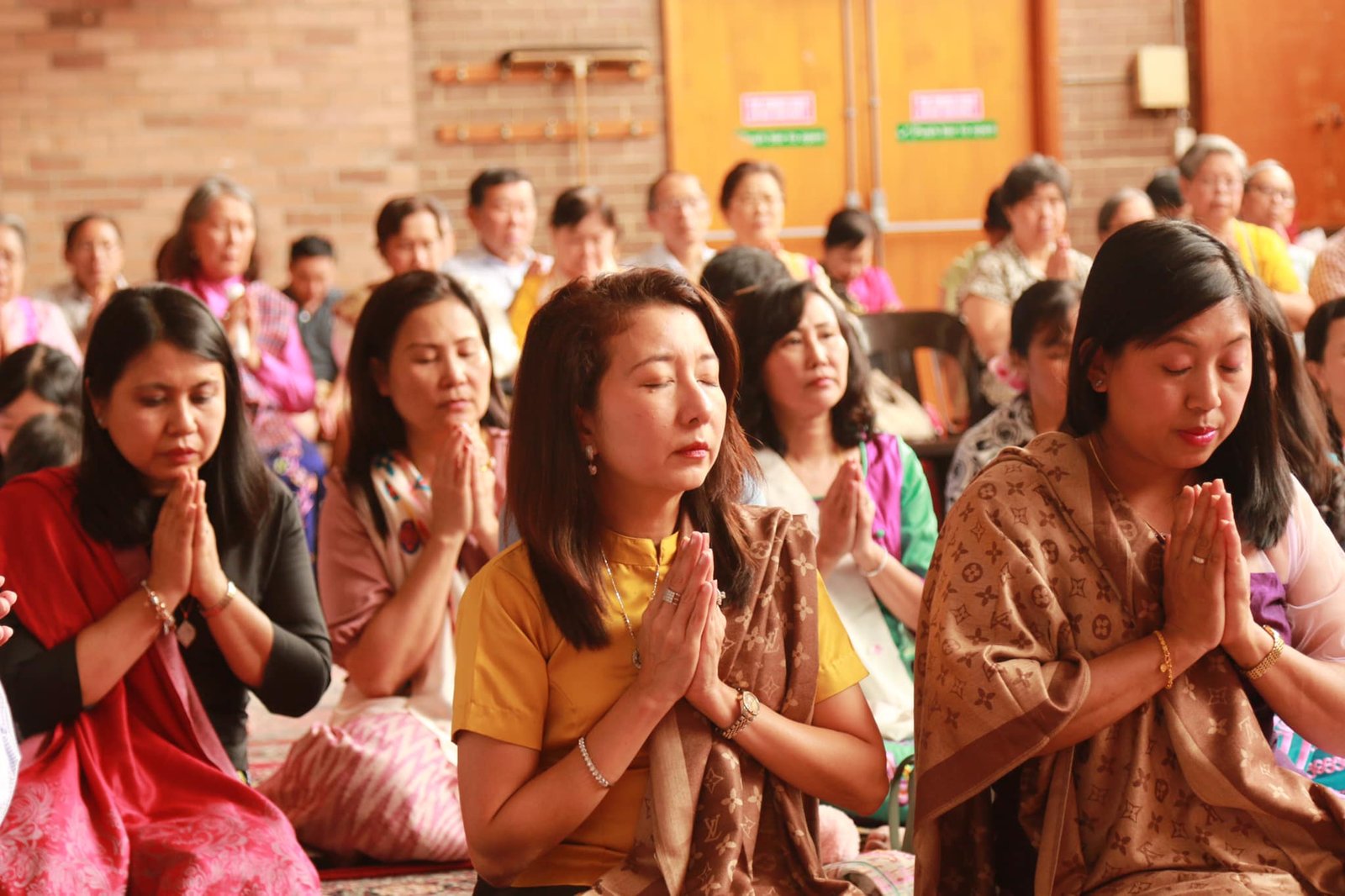
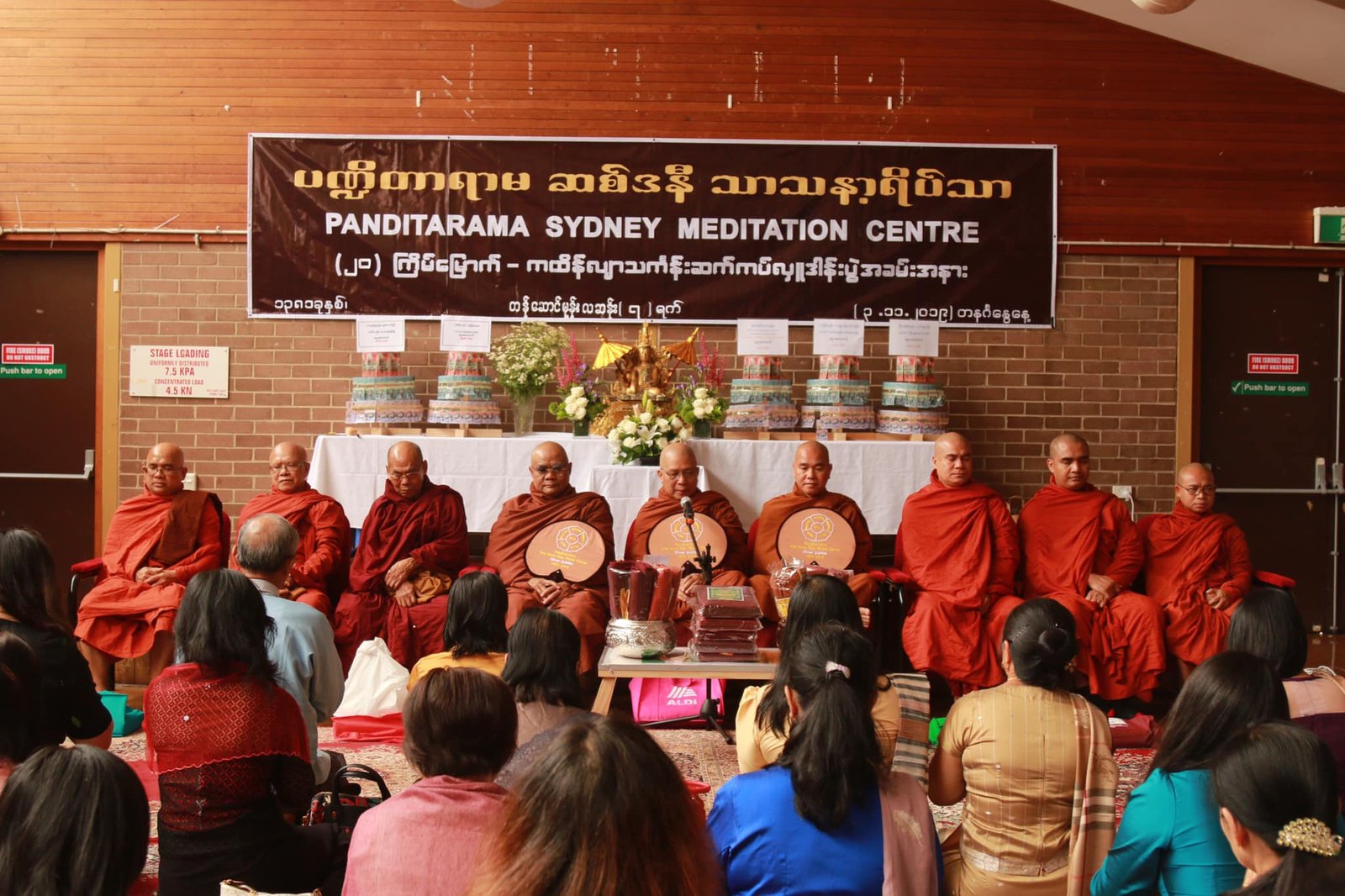
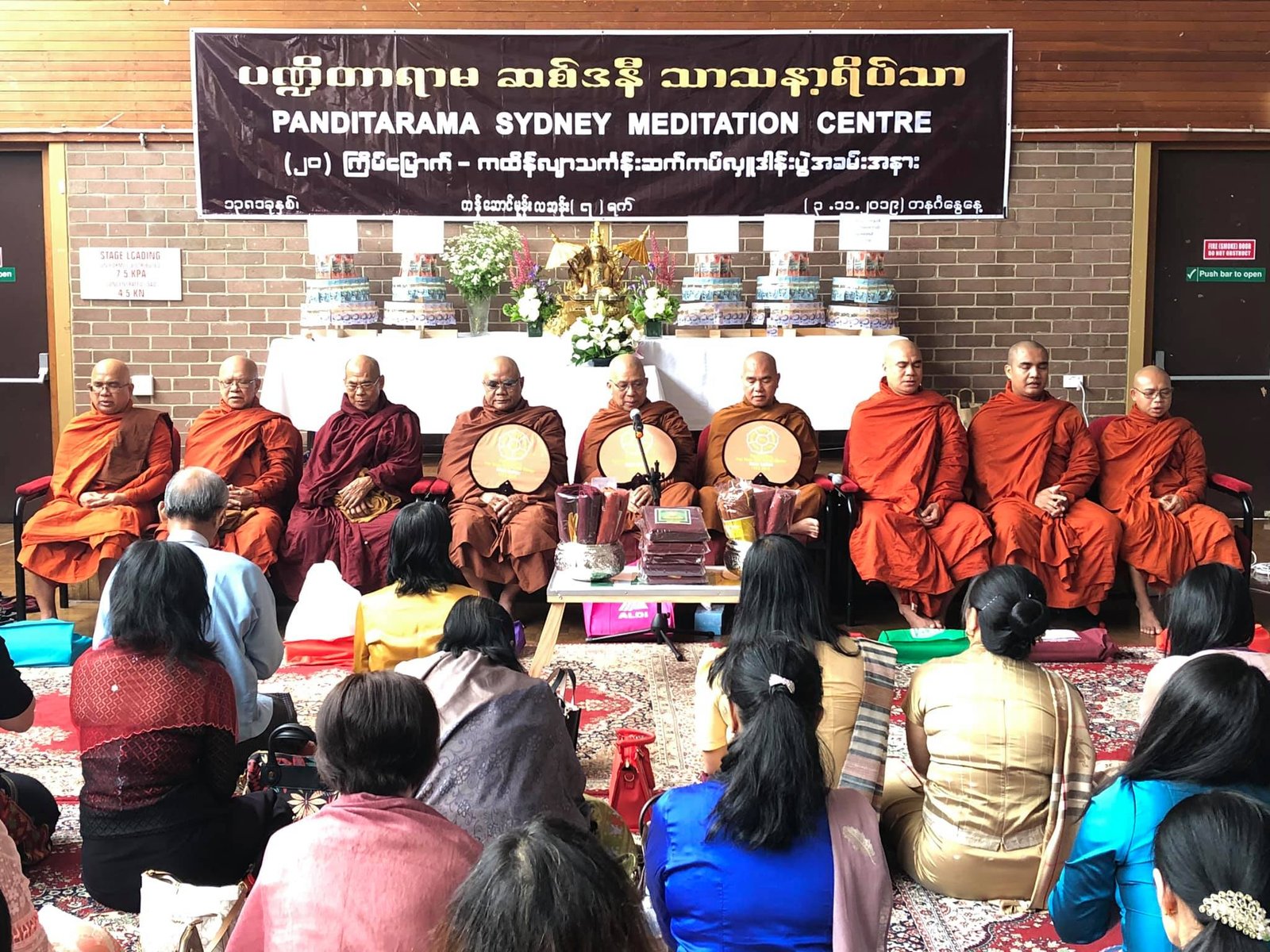
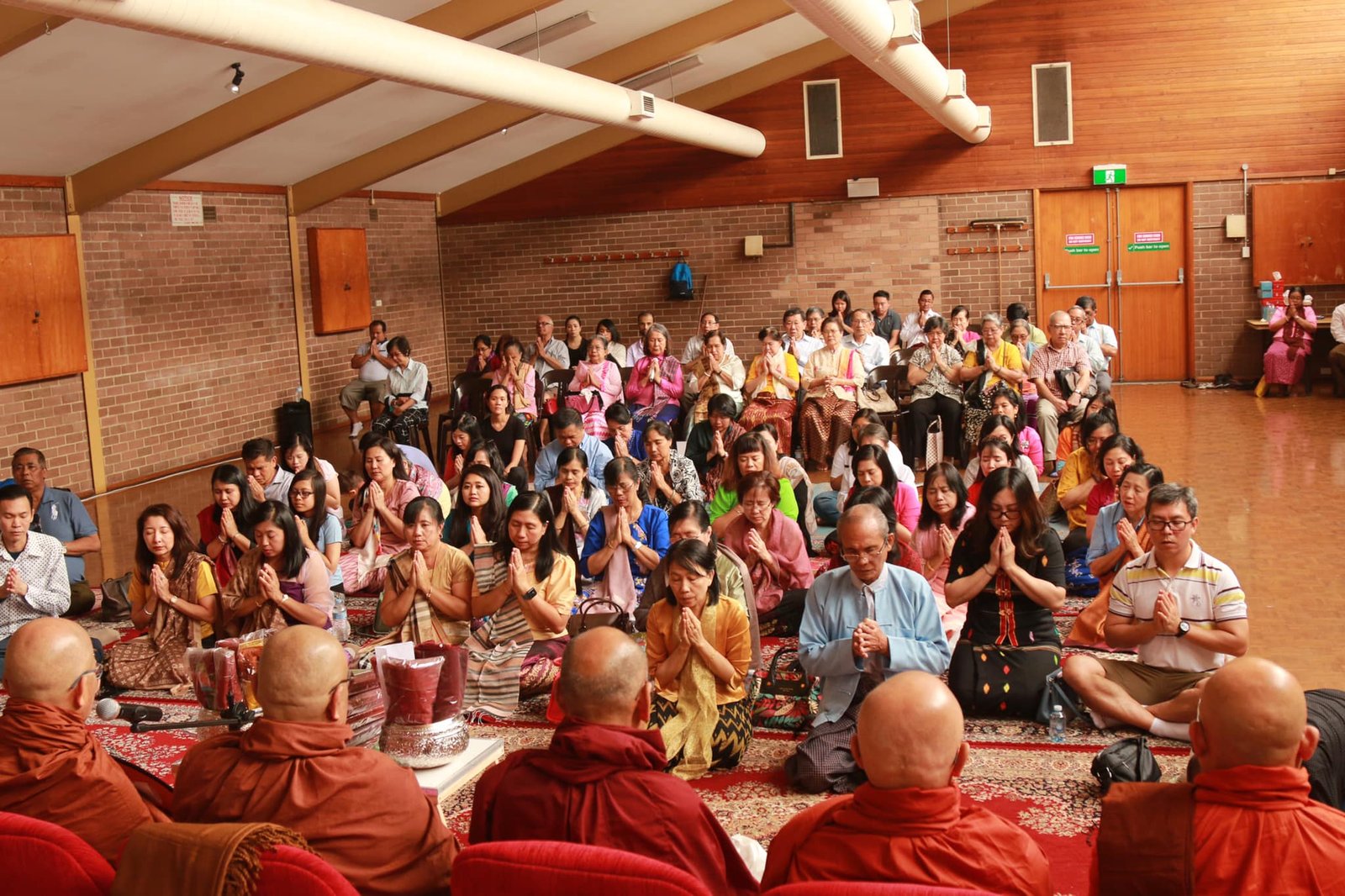
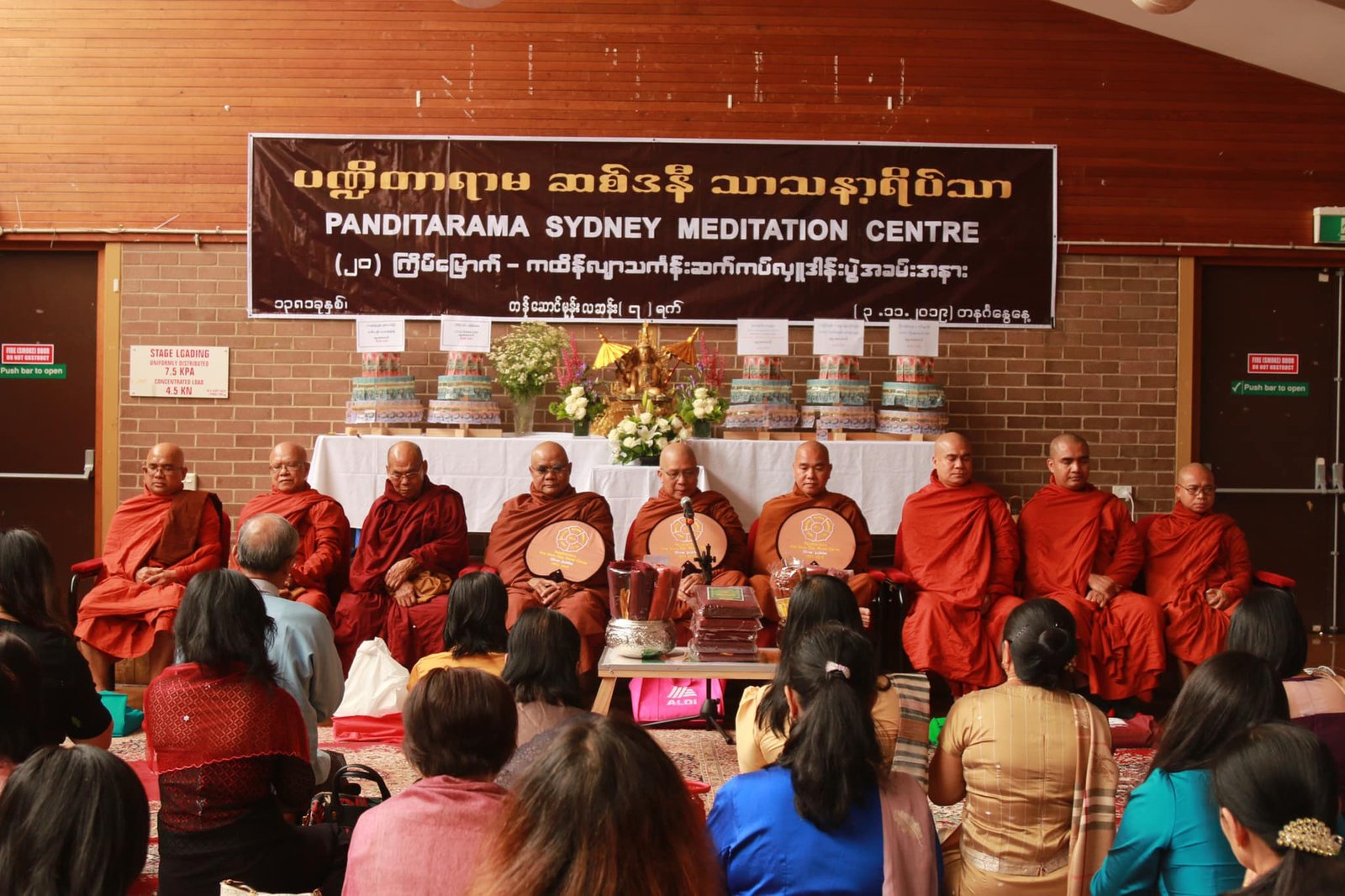
Panditarama Sydney Meditation Centre (PSMC) has grown steadily over the past decades to support the spiritual needs of the Buddhist community and to provide a peaceful place for meditation practice. 

📍 2000
Establishment 

Panditarama Sydney Meditation Centre was established in Villawood, marking the beginning of a dedicated space for meditation practice, Dhamma teachings, and community gatherings.

📍 2006
Relocation 

As the community grew, the Centre relocated to Smithfield to accommodate increasing participation and activities.

📍 2014
Move to Horsley Park 

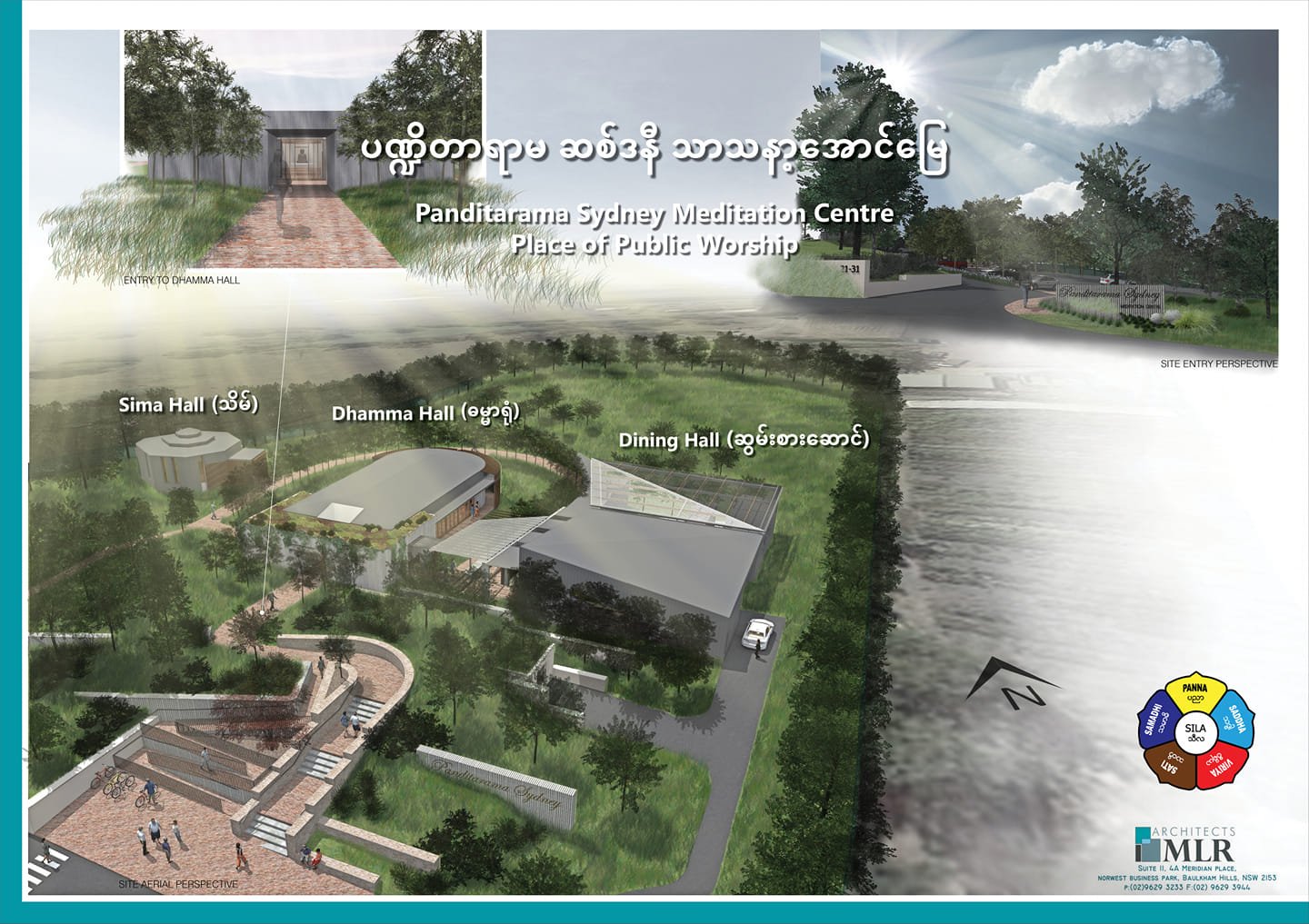
PSMC relocated to its current site in Horsley Park, acquiring 4.5 acres of land. This significant milestone provided the foundation for long-term development and expansion.

📍 2020
New Building Project Commenced

Planning and preparation for a new building project began, reflecting the Centre’s vision for improved facilities to serve practitioners and visitors.

📍 2025
Construction Certificate Approved

The Construction Certificate for the new development was officially approved, allowing the project to proceed to the next stage.

📍 2026
Construction Commences

Construction of the new facilities is scheduled to commence in the first quarter of 2026, marking an important step toward the Centre’s future growth.

Founding Years

PSMC was founded with a heartfelt goal: to provide a peaceful, accessible place for meditation in Australia. People of all backgrounds are welcomed to learn teachings based on Satipatthana Vipassana, in the tradition of the Venerable Mahasi Sayadaw of Myanmar. 

The centre opened on 6 February 2000 in Villawood, under the leadership of Sayadaw U Paññathami and with the blessing of the Most Venerable Sayadawgyi U Panditabhivamsa from Panditarama Shwe Taung Gon. As a non-profit, it was built entirely through the generosity of devoted supporters.

Growth and Relocation

By 2006, PSMC moved to a quieter, more spacious location in Smithfield, to support its growing community in deeper meditation practice and larger retreats.

In 2014, the centre purchased 4.5 acres in Horsley Park, expanding programs to include Sunday sessions and youth activities. These youth programs introduced the fundamentals of Buddhism in an approachable way to nurture mindfulness, kindness, and understanding.

A Generous Community

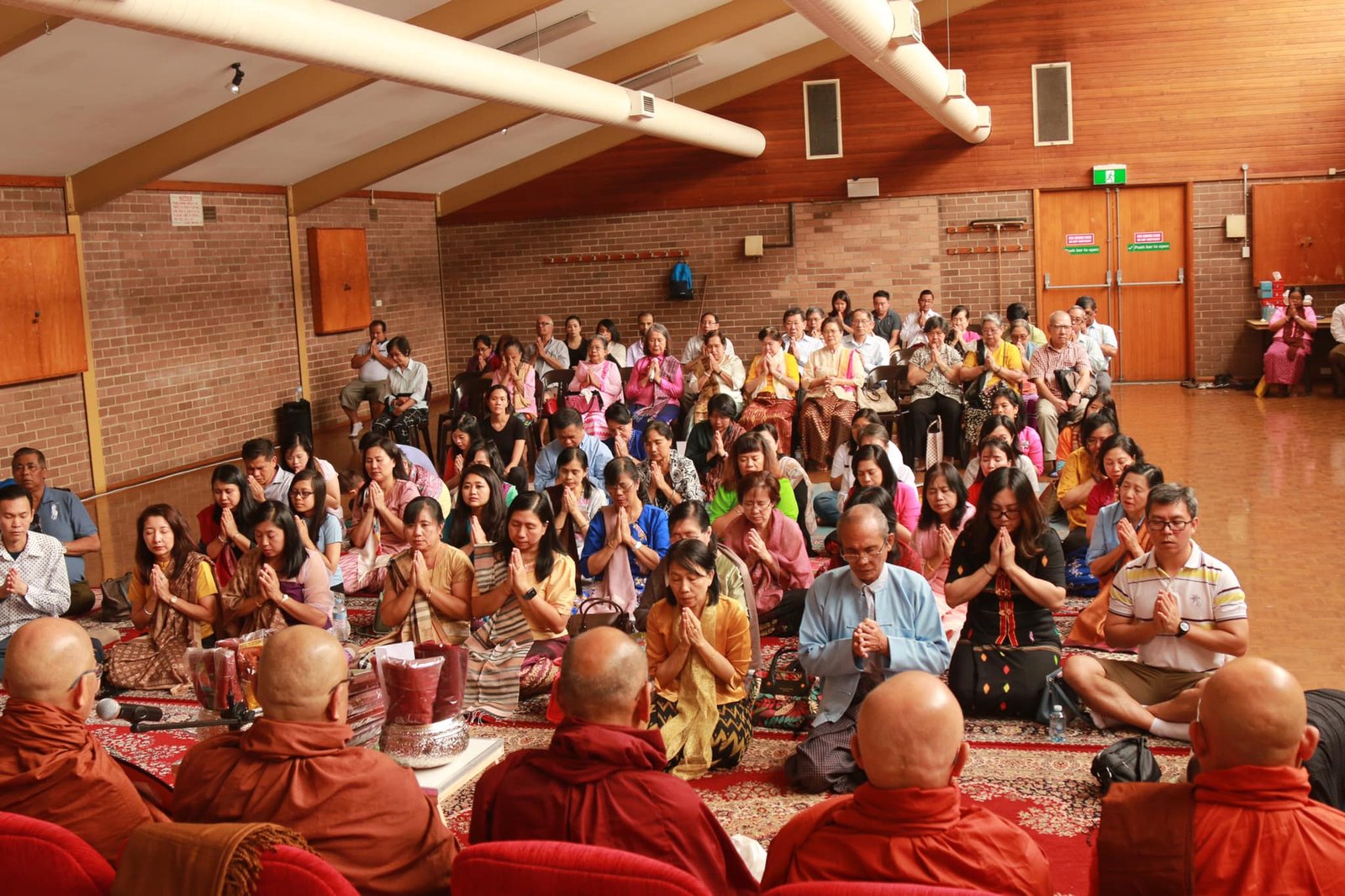
PSMC upholds a tradition of offering free, wholesome meals to yogis attending retreats and programs, supported by the kindness of Dhamma friends. 

The centre also holds a monthly fundraising food fair on the first Sunday of each month. Friends, neighbours, and supporters—Buddhist and non-Buddhist alike—come together to enjoy authentic Burmese dishes and contribute to the centre’s ongoing operation.

Future Aspirations

PSMC continues to grow with a long-term vision: a larger space to host a full meditation centre alongside a cultural school for children. This future project aims to bring together meditation, Dhamma education, and community development under one peaceful roof.

Through the dedication of its teachers and the support of the community, PSMC continues to flourish as a refuge for learning and spiritual growth.

Forty-Five Years of Teaching

For the next 45 years, the Buddha travelled widely across northern India, sharing his teachings with anyone eager to learn—monks, nuns, farmers, royalty, merchants, and people from all walks of life. His teachings emphasised wisdom, moral conduct, mindfulness, compassion, and the potential for every being to awaken.

He established monastic communities, guided thousands of followers, and offered practical teachings that continue to resonate today. The Buddha taught in a simple and accessible manner, focusing on understanding the mind, cultivating virtue, and realising inner peace.

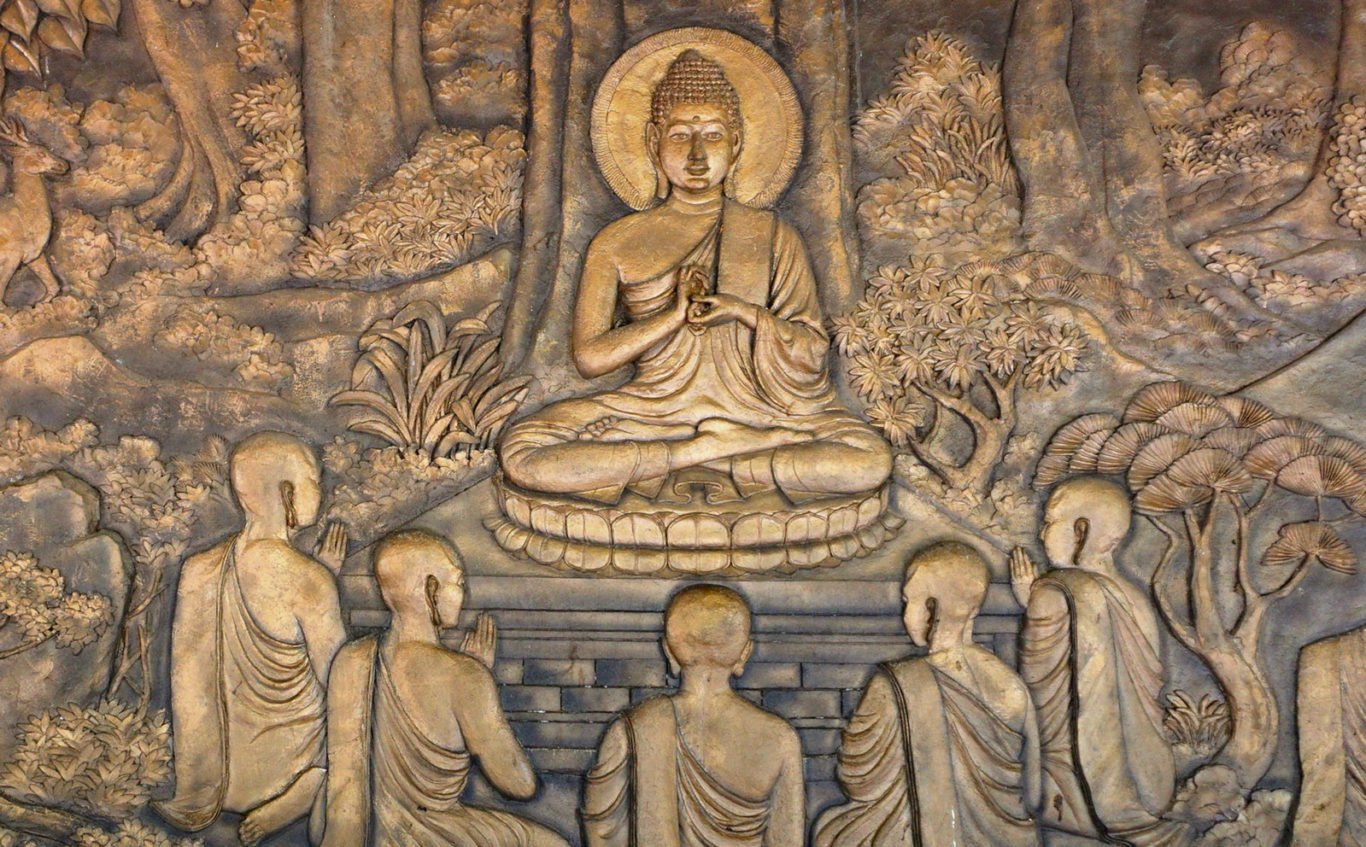
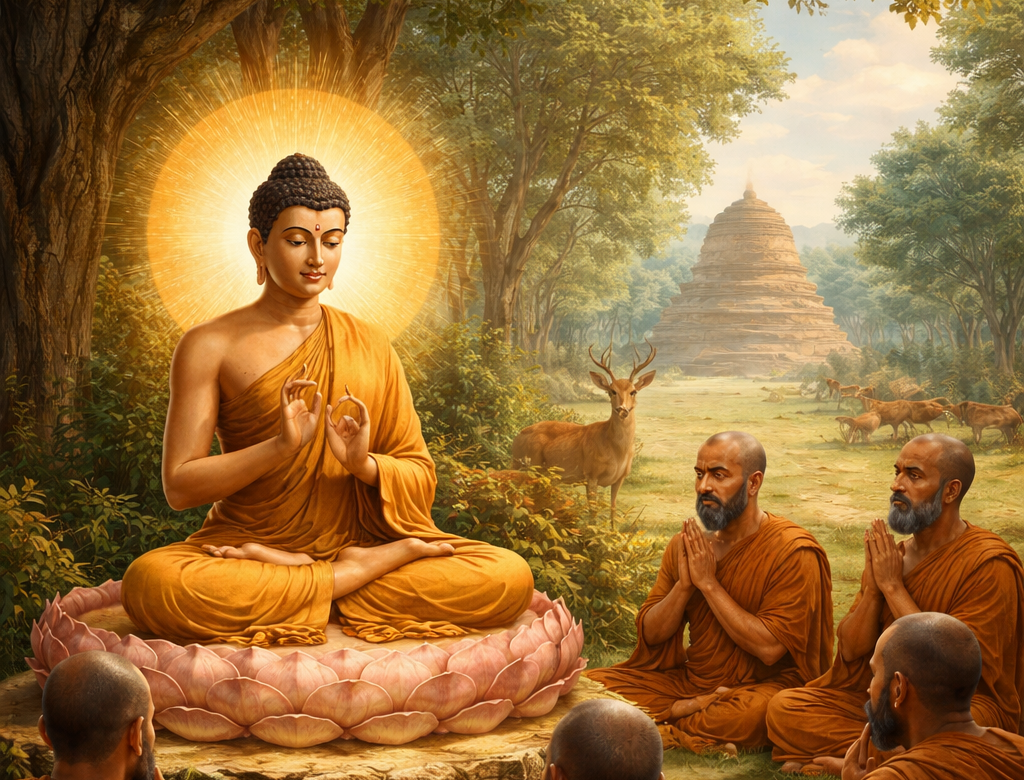
The First Teaching at Deer Park

Soon after his enlightenment, the Buddha travelled to Sarnath, where he delivered his first discourse to five former companions. This teaching, known as the Dhammacakkappavattana Sutta, introduced the Four Noble Truths and the Noble Eightfold Path. With this, the Sangha—the community of monks—was born, marking the beginning of the spread of the Dhamma.

Birth and Early Life (563 BCE)

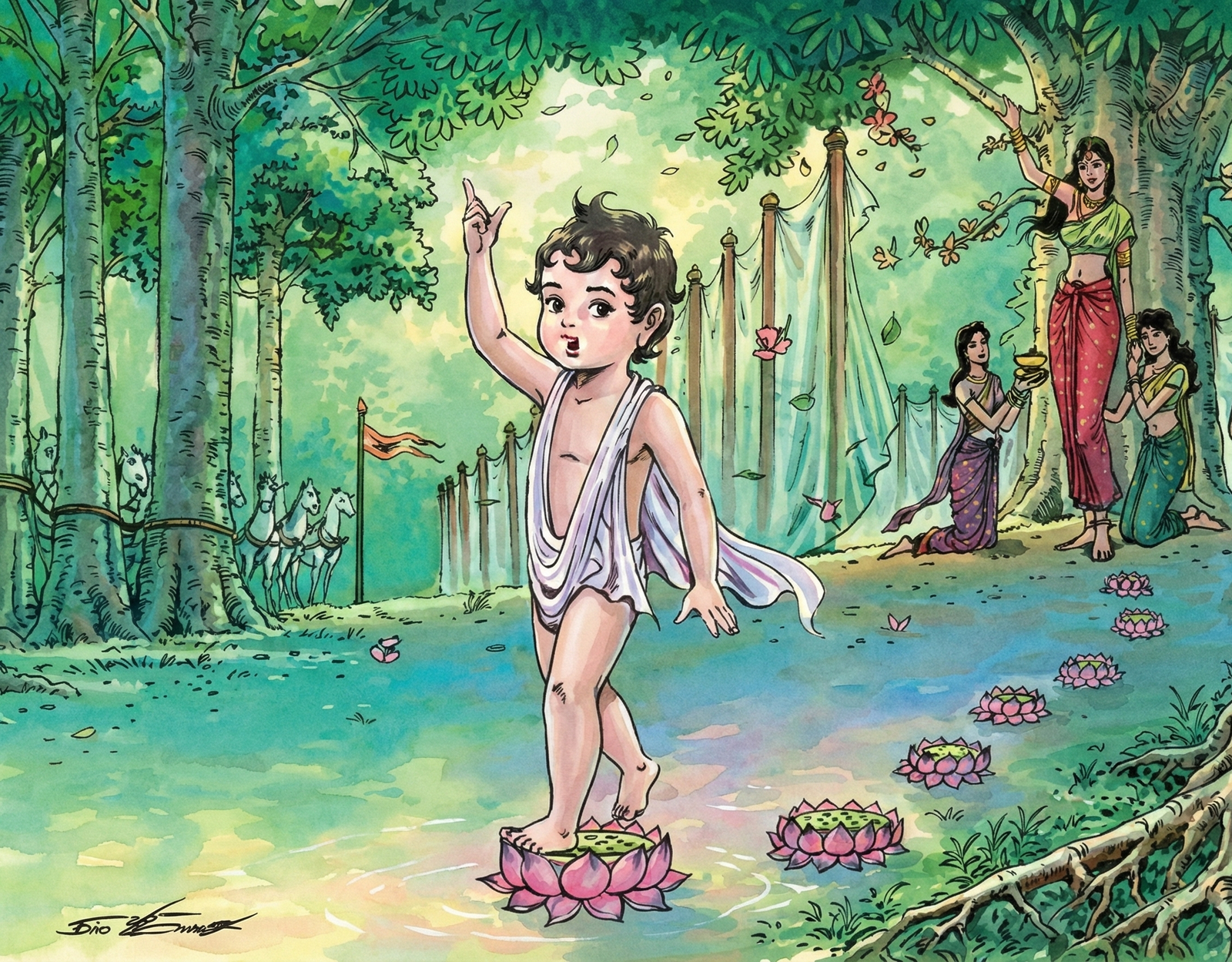
Siddhartha Gautama, who would later become the Buddha, was born around 563 BCE in Lumbini, a region that is now part of Nepal. He was born into the royal Shakya clan to King Suddhodana and Queen Maya. Tradition describes his birth as peaceful and auspicious. After his mother’s passing one week later, Siddhartha was lovingly raised by his aunt, Queen Mahapajapati.

Growing up in the city of Kapilavatthu, Siddhartha enjoyed a privileged and protected life. His father, wishing to shield him from the hardships and uncertainties of the world, ensured he received the finest education, martial training, and a life surrounded by comfort. At the age of sixteen, Siddhartha married Princess Yasodhara, and together they had a son named Rahula.